



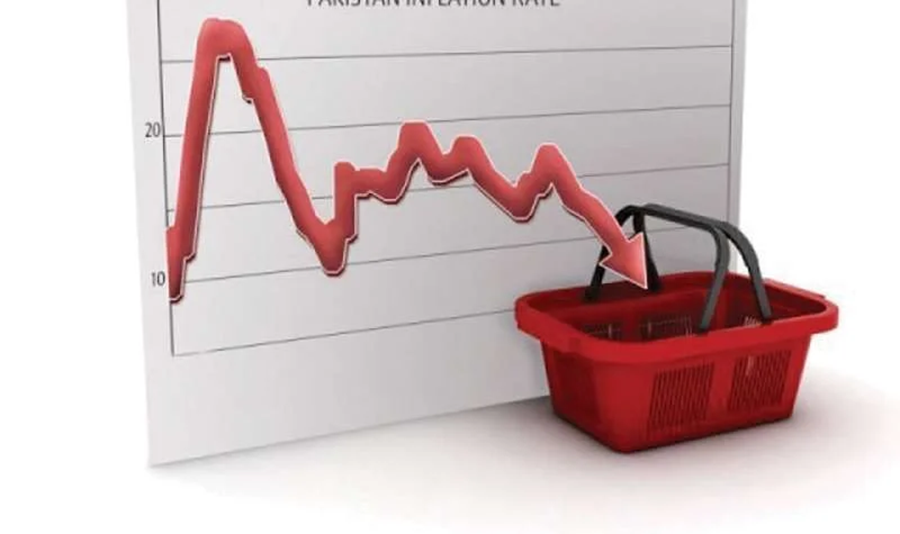
Nigeria’s headline inflation rate slowed further in November 2025, dropping to 14.45 per cent, continuing a steady decline in consumer price pressures, official data from the National Bureau of Statistics (NBS) show.
According to the latest Consumer Price Index (CPI) report released on Monday, the inflation rate fell from 16.05 per cent recorded in October 2025, marking the eighth consecutive month of decline.
The CPI, which measures changes in the cost of goods and services, rose modestly to 130.5 points in November from 128.9 points in October, reflecting a 1.6-point month-on-month increase.
Despite this, the year-on-year inflation rate declined as overall price growth moderated.
On a year-on-year basis, inflation is now 20.15 percentage points lower than the 34.60 per cent recorded in November 2024, highlighting a significant shift after a period of surging prices last year.
Analysts have noted that part of the slowdown is influenced by adjustments to the statistical base year and the weighting of items in the CPI, which now uses 2024 as the reference period instead of 2009.

Food Inflation and Urban-Rural Variations
Food inflation, typically a major driver of headline inflation, also eased sharply. Annual food price growth slowed to 11.08 per cent in November 2025, down significantly from levels seen in the previous year.
However, the report showed that on a month-on-month basis, both headline and food inflation increased, suggesting that while prices continue to rise, they are doing so at a slower pace than in prior months.
The data also revealed differences in price trends between urban and rural areas:
- Urban inflation stood at 61 per cent year on year, a sharp decline compared to 37.10 per cent in November 2024.
- Rural inflation remained slightly higher at 15 per cent year on year, but also significantly lower than a year earlier.
Context and Implications
The inflation slowdown comes as Nigeria continues to recover from elevated cost pressures and as authorities maintain macroeconomic policy measures to stabilise prices. The trend also means that Nigeria’s inflation rate now sits below the government’s 15 per cent target for 2025, a development that was highlighted by the Presidency as a positive economic indicator.
Despite the easing headline rate, the cost of living remains a concern for many Nigerians, especially as food and essential goods continue to exert upward pressures on household budgets in some regions. Economists caution that while annual inflation is moderating, policymakers must remain vigilant to sustain price stability and improve purchasing power.
The NBS report underscores a cautiously optimistic outlook, with inflation trending downward after a period of prolonged price surges that challenged consumers and businesses alike.
Continued monitoring of price dynamics, particularly around food and energy sectors, will be key to understanding how this trend evolves into 2026.