



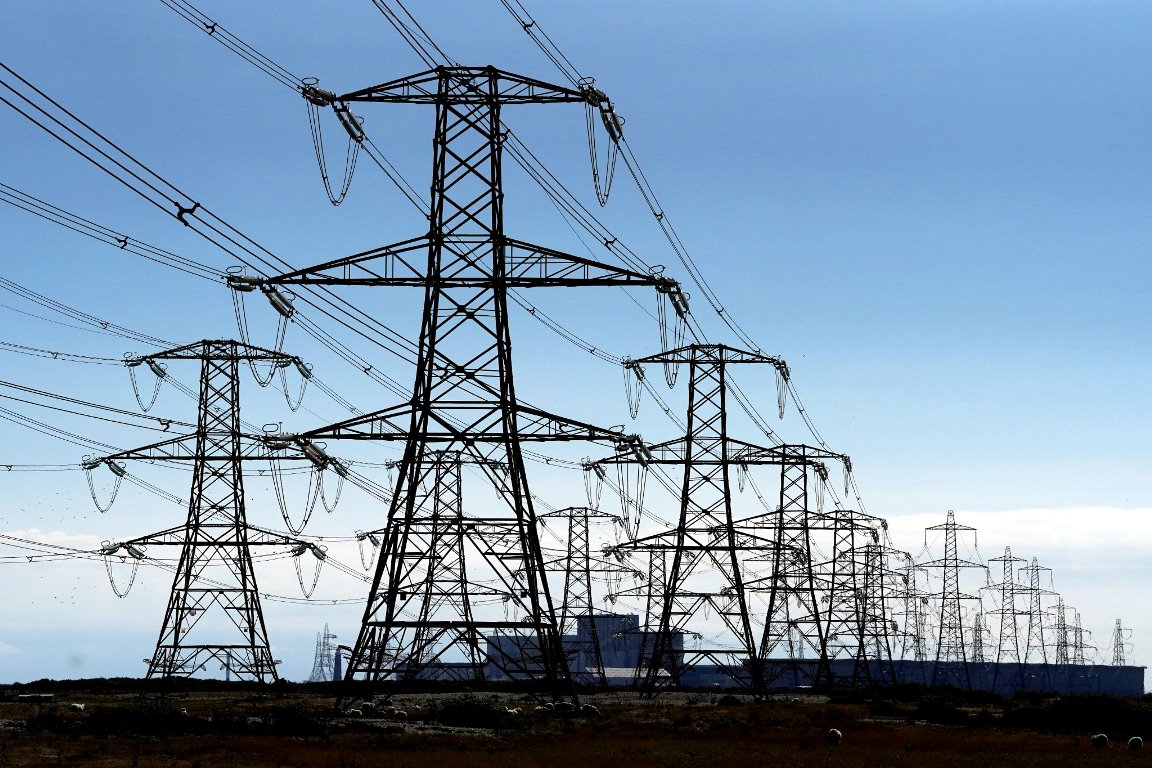
Nigeria’s national electricity grid has collapsed for the second time in five days, triggering widespread power outages across the country on Tuesday morning.
According to data from the Nigerian Independent System Operator (NISO), electricity generation plunged to around 39 megawatts as of 11:00 a.m., while load allocation to all 11 distribution companies fell to zero megawatts, effectively cutting off power supply nationwide.
This latest failure, coming just days after a grid collapse on January 23, highlights ongoing instability in the country’s power infrastructure.
Preliminary operational reports suggest the earlier collapse was linked to a system-wide disturbance caused by the simultaneous tripping of several 330kV transmission lines and the disconnection of some generating units.

Recurring grid collapses have been a persistent challenge for Nigeria’s energy sector, disrupting economic activity, straining businesses and households, and underscoring deeper reliability issues within the electricity value chain.
As stakeholders continue to investigate and implement corrective measures, the repeated system failures raise urgent questions about the resilience and modernization of the nation’s power grid, including the need for improved automation, real-time monitoring, and infrastructure upgrades to prevent future collapses.






I want to believe that the National grid reoccurring issues will and one day be a thing of the past if a right system is put in place not the usual rubber-stamped methods, created and adopted by the so-called ministry of power with their Stomach Infrastructure development patterns that has yielded no tangible results over time.
Lots of Billions of Dollars has been sunk into the National Power Sector and yet no solution to it, and this has become a routine National Embarrassment to the surface of the entire globe even as acclaimed “Giant of Africa”. Too Sad!.
To put this epileptic power supply to an end, is to systematically integrate the core values that sustains Systems that works, which are; those with Integrity, Transparency, Effective communication and Consistency. Rather than politicking and gambling with the National Power.
I want to believe that the National grid reoccurring issues will and one day be a thing of the past if a right system is put in place not the usual rubber-stamped methods, created and adopted by the so-called ministry of power with their Stomach Infrastructure development patterns that has yielded no tangible results over time.
Lots of Billions of Dollars has been sunk into the National Power Sector to revamp, recalibrate and to resuscitate the grid, yet no solution to it, which has now become a routine National Embarrassment to the surface of the entire globe even as acclaimed “Giant of Africa”. Too Sad!.
To put this epileptic power supply to an end, is to systematically integrate the core values that sustains Systems that works, which are; those with Integrity, Transparency, Effective communication and Consistency driven minded, rather than those politicking and gambling with the National Power Sector.