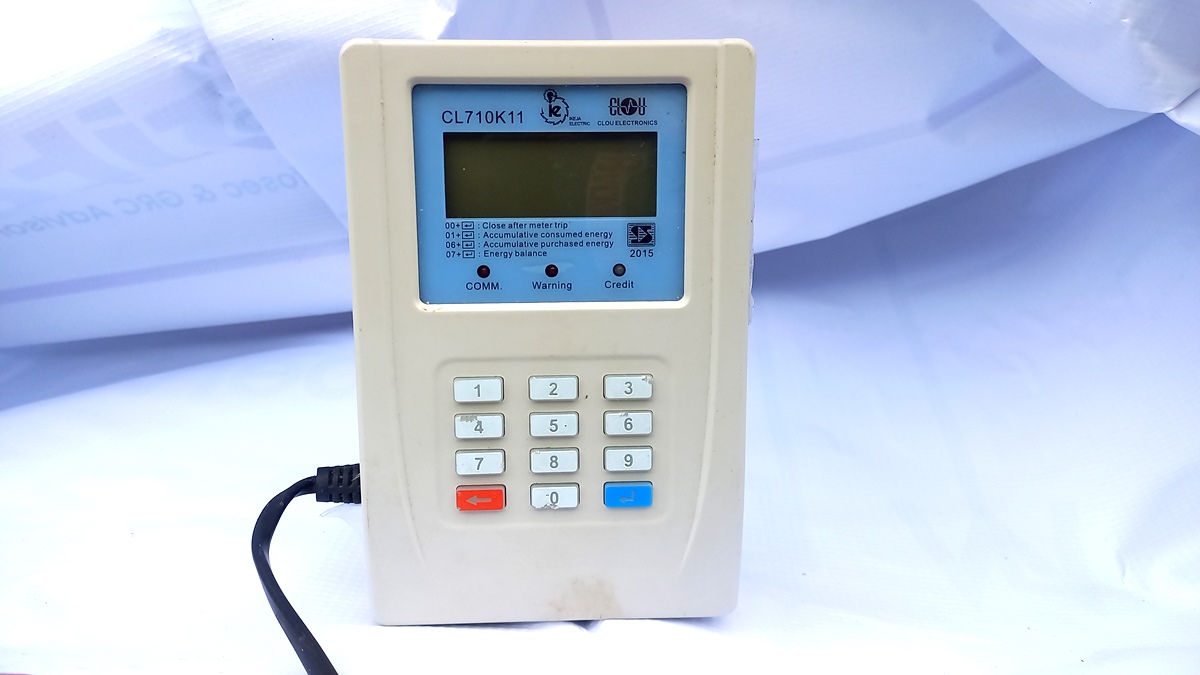
For millions of Nigerians, the frustration is familiar. A power bill arrives, but the electricity consumed is anyone’s guess.
Estimated billing continues to fuel disputes between electricity consumers and Distribution Companies (Discos), despite years of promises to close the country’s metering gap.
Now, the World Bank says Nigeria’s ambitious electricity distribution (meter) reform programme is beginning to make measurable progress, but legal battles, procurement delays and slow contract execution are threatening to slow the momentum.
At the same time, the global lender is considering an additional $308 million financing package that could significantly expand the country’s smart metering programme and modernise electricity distribution infrastructure.
The details are contained in the World Bank’s Midterm Review Implementation Support Mission and Additional Financing Preparation Aide Memoire.
Meter rollout gathers pace, but not everywhere
The World Bank noted that implementation of Nigeria’s Distribution Sector Recovery Programme (DISREP) has improved since its last supervision mission in October 2025.
Across nine electricity distribution companies, installation of smart meters has accelerated considerably.
Monthly installations have increased from roughly 30,000 meters in late 2025 to around 65,000 per month during the first quarter of 2026, reflecting stronger execution on the ground.
Of the 1.15 million smart meters allocated under the programme, about 685,000 have already arrived in Nigeria, while approximately 365,000 have been installed.
The Bank expects the full shipment of the 1.15 million meters to arrive by the end of June 2026, with installation expected to reach 500,000 units.
However, implementation has not been uniform.
Progress has stalled in Ikeja Electric and Enugu Electricity Distribution Company (EEDC), while another procurement involving 1.55 million internationally sourced smart meters was halted after a court injunction prevented bid openings scheduled for April 30, 2026.
The legal action followed a complaint by the Association of Meter Manufacturers of Nigeria (AMMON).
The World Bank also criticised prolonged delays affecting contracts for locally procured meters and Meter Data Management Systems (MDMS), describing them as “unjustified.”
Fresh funding could add 1.7 million more smart meters
Despite the implementation challenges, the World Bank revealed that discussions are advancing on a request from the Federal Government for an additional $308 million in financing.
If approved, the new funding would support:
- Procurement of 1.7 million additional electricity meters
- Customer enumeration
- Feeder-based network rehabilitation
- Technical assistance
- Potential deployment of Supervisory Control and Data Acquisition (SCADA) systems to improve grid monitoring and operations.
According to the Bank, about $120 million of the proposed financing would be dedicated to the metering programme alone if the government proceeds with an all-smart-meter deployment strategy.
The Bank is also recommending that the programme’s closing date be extended by two years and one month, moving completion to June 2030, to provide sufficient time for procurement, installation and implementation of the expanded scope.
DISREP supports Africa’s Mission 300
Beyond reducing estimated billing, the World Bank says the programme is already contributing to broader electricity access goals.
DISREP has so far added approximately 401,500 people to the World Bank’s Mission 300 initiative, an ambitious programme designed to connect 300 million Africans to electricity by 2030.
The Bank explained that following the project’s restructuring in February 2026, the installation of 365,000 smart meters currently accounts for Nigeria’s contribution to the continental initiative.
Funding approved, but money yet to reach Discos
The World Bank also expressed concern over delays affecting the Programme-for-Results (PforR) component of DISREP.
Although it released an advance payment of $37.5 million, representing 15% of the financing—to the Bureau of Public Enterprises (BPE) in December 2025, the funds have yet to be transferred to the electricity distribution companies.
The Bank warned that the delay is slowing investments in network rehabilitation and improvements in electricity service delivery.
It added that the project’s Independent Verification Agent (IVA) has completed assessment of the programme’s first-year results, making Nigeria eligible for an additional $14.9 million reimbursement linked to verified performance.
Progress, but reforms must move faster
Despite the setbacks, the World Bank continues to rate both implementation progress and progress toward achieving the programme’s development objectives as moderately satisfactory.
However, it urged Nigerian authorities to resolve procurement disputes, accelerate contract execution and remove administrative bottlenecks to sustain reforms in the electricity distribution sector.
Approved in February 2021 with a $500 million World Bank facility, DISREP was designed to improve the technical and financial performance of Nigeria’s electricity distribution companies by deploying more than 3 million smart meters, reducing commercial losses, curbing electricity theft and ultimately ending the country’s long-standing estimated billing crisis.
For Nigeria’s electricity consumers, the message is clear: progress is underway, but until meters reach homes and businesses at scale, one of the power sector’s most persistent challenges remains far from resolved.