

ADVERTISEMENT
Wednesday, May 6, 2026
Tech | Business | Economy
No Result
View All Result
  • Technology
    • Trends
    • Telecoms
      • Broadband
    • ConsumerTech
      • Gadgets and Appliances
      • Apps
      • Accessories
      • Reviews
      • Unboxing
    • EnterpriseTECH
    • Security & Data Protection
    • How To
    • GameTech
  • Business
    • Company News
    • StartUPs
      • Founder’s Story
      • Funding
    • Deals
    • People & Moves
    • SME & Entrepreneur Focus
    • BUSINESS SENSE FOR SMEs
    • Competition & Market Positioning
    • Commerce & Mobility
    • Travel
    • WomenPreneurs
  • Economy
    • Macroeconomic Trends
      • Macro Monday
      • TE Insights
    • Finance
      • Banks
      • Fintech
      • Insurance
      • Digital Assets
      • Personal Finance
    • Policies
      • Tech & Society
    • Market Analysis
    • Jobs & Workforce Economy
  • Features
    • Guest Writer
      • Chidiverse
      • Digital Assets
    • EventDIARY
    • IndustryINFLUENCERS
    • MarkTECH
    • TBS
    • NewsEXTRA
  • Editorial
  • Brand Content
  • TECHECONOMY TV
Wednesday, May 6, 2026
Tech | Business | Economy
No Result
View All Result
Tech | Business | Economy
No Result
View All Result

Home » Nigeria’s Special Economic Zones Create 35,000 Jobs

Nigeria’s Special Economic Zones Create 35,000 Jobs

Reporter: Tobi Adetunji    

Techeconomy by Techeconomy
January 26, 2024
in Company News
Reading Time: 2 mins read
0
Special Economic Zones

Special Economic Zone

Nigeria’s Special Economic Zones have led to the creation of 35,000 direct and indirect employments, driving socioeconomic development in the country Nabil Saleh has revealed.      

Nabil Saleh, the chairman of the Nigeria Economic Zones Association,  disclosed this at the association’s annual general meeting yesterday (Wednesday) in Lagos.

He also noted that Nigeria’s Special Economic Zones have attracted over $66bn in Foreign Direct Investments and N620bn in Domestic Direct Investments.

The sectoral analysis and breakdown of the investments revealed that the manufacturing sector led with 45 percent of the total investments, followed by the service sector at 30 percent.

Accordingly, the oil and gas sector accounts for 11 percent of investments while the trading, logistics, and agriculture sectors also made significant contributions.

Subscribe to our Telegram channel for the latest updates.

Follow the latest developments with instant alerts on breaking news, top stories, and trending headlines.

Join Channel

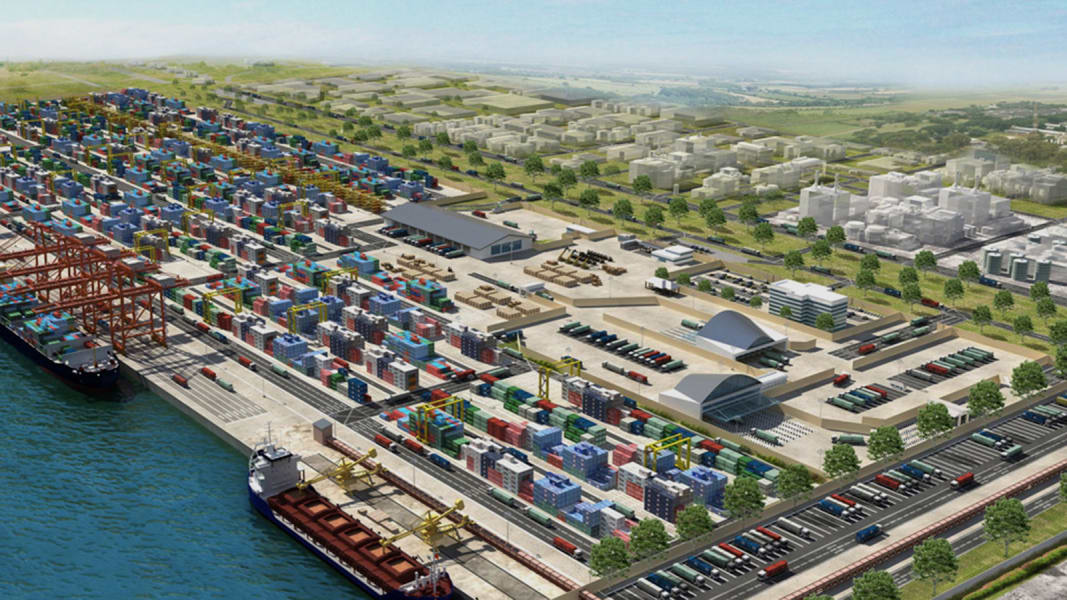
Saleh said the establishment of SEZs in Nigeria has led to the development of Africa’s biggest oil refinery, a deep sea port with the capacity to handle around 6 million twenty-foot equivalent units of containers, a gas processing hub along the Atlantic Coast, and an oil and gas downstream manufacturing hub, among others.

“The success stories of countries with well-established SEZ schemes underscore the transformative potential of these zones. Nations such as China, Singapore, and the United Arab Emirates have harnessed the power of SEZs to attract foreign direct investment, drive industrialization, and foster innovation.

“In these countries, SEZs have become beacons of economic progress, contributing significantly to their GDP and job creation,” he said.

In Nigeria, the Free Zone program was introduced in 1992 through the enactment of Act No. 63 of 1992, which provided for the establishment of Special Economic Zones in the country.

The Act empowered the Nigeria Export Processing Zone Authority as the sole government agency responsible for establishing, licensing, regulating, and monitoring of Free Zones/Export Processing Zones in Nigeria.

Some of the most prominent free zones in the country include the Lekki Free Trade Zone in Lagos, Ogun-Guangdong Free Trade Zone, Abuja Technology Village in FCTA,  KoKo Free Zone, Delta State; Warri Industrial Business Park, Delta State; and The ICT Park Asaba, Delta State.

He noted that the theme of the AGM, “Unlocking Opportunities: Harnessing the Power of Nigeria’s Special Economic Zones Scheme”, speaks to the essence of its mission—to tap into the immense potential that the economic zones hold for the growth and development of Nigeria.

According to  Olufemi Ogunyemi, the managing director of Nigeria Export Processing Zones Authority, it has become imperative for SEZs to be re-engineered, bearing in mind the unfolding of the fourth industrial revolution, the heightened focus on sustainable development, and the new wave of global value chains.

“Accordingly, it is envisaged that the interactive sessions will provide an opportunity for stakeholders to discuss critical issues in more detail as it concerns standardising free zone operations; tax administration in the free zones; sharing experiences on free zone policies and operations, and developing actionable solutions.

“With the advent of global, continental, and regional economic realities, it is envisaged that outcomes from this two-day event will therefore serve as critical inputs to be adopted by SEZs regulators and other key stakeholders, and Nigeria as we all aspire to chart a new course,” he asserted.

0Shares

Previous Post

The Merits of a Technocratic Chief of Staff in the Success of Nigeria’s Presidency

Next Post

Naira Hits Record Low of N1,400/$ at Parallel Market

Techeconomy

Techeconomy

Related Posts

Tony Aniemeke Heirs Insurance Brokers

Heirs Insurance Brokers Earns NDPC Audit Compliance Trust Mark

May 5, 2026
Amezcua GX-1 Bio-Reset System

Amezcua Marks 20 Years with Global Rollout of GX-1 Bio-reset System

May 5, 2026

Wale Edun: Nigeria Must Shift from Stabilisation to Growth Acceleration

May 5, 2026
Load More
Next Post
Naira and dollar

Naira Hits Record Low of N1,400/$ at Parallel Market

Leave a Reply Cancel reply

Your email address will not be published. Required fields are marked *

I agree to the Terms & Conditions and Privacy Policy.

This site uses Akismet to reduce spam. Learn how your comment data is processed.

Techeconomy Podcast
Techeconomy Podcast

The Techeconomy Podcast is a thought-leadership show exploring the powerful intersection of technology, business, and the economy, with a strong focus on Africa’s fast-evolving digital landscape.

PROTECTING INNOVATION IN AFRICA’S STARTUP ECOSYSTEM
byTecheconomy

Protecting Innovation in Africa’s Startup Ecosystem . A timely conversation for the future of African entrepreneurship.

PROTECTING INNOVATION IN AFRICA’S STARTUP ECOSYSTEM
April 29, 2026
Techeconomy
BUILDING TRUST IN AFRICA ECOSYSTEM
February 27, 2026
Techeconomy
Navigating a Career in Tech Sales
January 29, 2026
Techeconomy
How Technology is Transforming Education, Health, and Business
November 27, 2025
Techeconomy
INNOVATION IN MOBILE BANKING
October 30, 2025
Techeconomy
Search Results placeholder
  • About Us
  • Careers
  • Contact Us
  • Privacy Policy

© 2026 TECHECONOMY.

No Result
View All Result
  • Technology
  • Business
  • Economy
  • Features
  • Editorial
  • Brand Content
  • TECHECONOMY TV

© 2026 TECHECONOMY.

This website uses cookies. By continuing to use this website you are giving consent to cookies being used. Visit our Privacy and Cookie Policy.


