

ADVERTISEMENT
Wednesday, June 10, 2026
Tech | Business | Economy
No Result
View All Result
  • Technology
    • Trends
    • Telecoms
      • Broadband
    • ConsumerTech
      • Gadgets and Appliances
      • Apps
      • Accessories
      • Reviews
      • Unboxing
    • EnterpriseTECH
    • Security & Data Protection
    • How To
  • Business
    • Company News
    • StartUPs
      • Founder’s Story
      • Funding
    • Deals
    • People & Moves
    • SME & Entrepreneur Focus
    • BUSINESS SENSE FOR SMEs
    • Competition & Market Positioning
    • Commerce & Mobility
    • Travel
    • WomenPreneurs
  • Economy
    • Macroeconomic Trends
      • Macro Monday
      • TE Insights
    • Finance
      • Banks
      • Fintech
      • Insurance
      • Digital Assets
      • Personal Finance
    • Policies
      • Tech & Society
    • Market Analysis
    • Jobs & Workforce Economy
  • Features
    • Guest Writer
      • Chidiverse
      • Digital Assets
      • GameTech
    • EventDIARY
    • IndustryINFLUENCERS
    • MarkTECH
    • TBS
    • NewsEXTRA
  • Editorial
  • Brand Content
  • TECHECONOMY TV
Wednesday, June 10, 2026
Tech | Business | Economy
No Result
View All Result
Tech | Business | Economy
No Result
View All Result

Home » Nigeria’s Tax Reforms: Five Reasons 97% of SMEs May Still Face Indirect Tax Pressure

Nigeria’s Tax Reforms: Five Reasons 97% of SMEs May Still Face Indirect Tax Pressure

| By: Chris Emenike

Techeconomy by Techeconomy
January 2, 2026
in Finance
Reading Time: 3 mins read
0
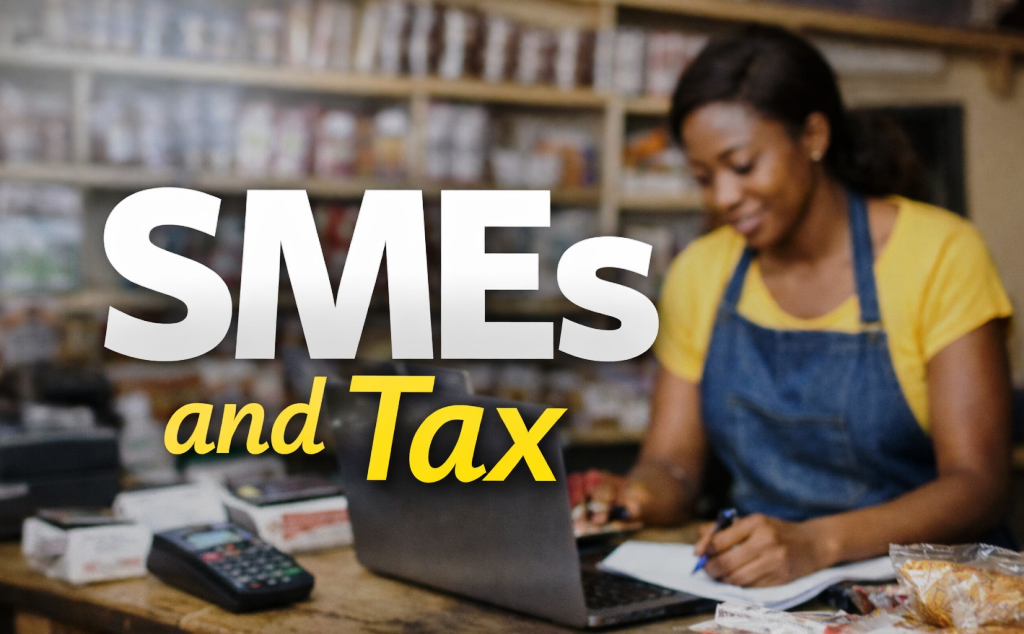
SMEs, Households Tax in Nigeria | roadblocks for Tax

SMEs | Households Tax in Nigeria

Nigeria’s tax reforms, which took effect January 1, 2026, exempt 97% of small and medium-sized enterprises (SMEs) with turnover below N50 million from corporate income tax, VAT registration, and withholding tax.

This followed months of resistance and public debate.

Many critics believe that changes affecting the remaining 3%, mainly large importers, manufacturers, and corporate players, could still push expenses down the chain, indirectly burdening smaller businesses and consumers.

Taiwo Oyedele, chairman of the Presidential Fiscal Policy and Tax Reforms Committee, has repeatedly said the reforms are pro-growth and inclusive.

According to him, large firms are expected to experience net tax reductions over time, not heavier burdens.

Subscribe to our Telegram channel for the latest updates.

Follow the latest developments with instant alerts on breaking news, top stories, and trending headlines.

Join Channel

Still, Nigeria’s economic structure complicates that assurance. A small group of large firms tops manufacturing, imports, logistics and supply chains. When costs rise at the top, they rarely stay there.

Below are five reasons SMEs and households may still feel the effects of the reforms, despite informal exemptions.

1. Control of Supply Chains:

The top 3% control key imports and manufacturing, sourcing raw materials and goods that the small-scale business owners rely on. The higher operational costs that these leading firms will pay could raise input prices, forcing the SMEs to pay more for goods and services despite their exemptions.

2. Increase in Cost of Production:

Manufacturers facing tax reforms compliance levy adjustments will pass the expenses to the retailers and the end-users to maintain profitability.

This elevates production costs across industries, indirectly taxing downstream small-scale business operators that absorb higher wholesale prices without direct price relief mechanisms.

3. Higher Import and Clearance Cost:

Some of the top 3% whom are not exempted from the new tax policy are Importers. With the new policy in place, they will potentially pay more customs duties to clear their goods.

The net increases in duties or levies could inflate landed costs of imported goods, contributing to broader price hikes that affect the SMEs, and also higher household expenditures for the end users.

4. Potential Rise in Flight Tickets and Transport Costs:

The Aviation operators warn that reinstated VAT on aircraft parts, leases, and tickets previously waived could spike operational costs, pushing domestic fares significantly higher. This was re-echoed by Allen Onyema, the CEO of Air Peace, a leading indigenous flight operator in Nigeria.

The higher cost of air travel and logistics expenses ripple through, raising the transport costs for goods and indirectly impacting the SMEs, thereby leading to higher living expenses.

5. Higher Cost-of-Living Expenditures:

The large firms are expected to bear the targeted tax reforms amid the ongoing economic reforms by the Nigerian government; short-term pass-through to non-essential goods and services is likely.

The essential goods remain VAT-zero-rated for protection and in order to control inflation, but luxury and intermediate segments may see a price increase, squeezing household budgets for the middle income and the rich homes, and the demand for such goods will be impacted by higher costs and lower demand.

Taiwo Oyedele - Tax man | Reforms | gazetted Laws
Taiwo Oyedele, chairman of Nigeria’s Presidential Fiscal Policy and Tax Reforms Committee,

Taiwo Oyedele highlights that the input VAT credits (potentially N3.4 trillion reclaimable) and levy harmonisation to lower long-term burdens, especially in aviation, where airlines become VAT-neutral.

The tax reform critics, including airline executives, fear short-term disruptions of the striving aviation sector.

The tax laws are four in total, two of which were implemented on June 26, 2025. The implemented ones are the Nigerian Revenue Service Establishment Act and the Joint Revenue Service Establishment Act, while the Nigerian Tax Act and the Nigerian Tax Administration Act officially take off today.

The success of these fiscal reforms hinges on mitigating these indirect effects for true shared prosperity.

This opinion is informed by remarks made by Taiwo Oyedele during a recent press briefing following his meeting with President Bola Tinubu in Lagos.


0Shares
Previous Post

Naira Starts Year at N1,478/$

Next Post

DStv Woos Customers with ‘We Got You’ Campaign

Techeconomy

Techeconomy

Related Posts

Pension Fund - PFAs investment in FGN securities | Nigeria’s pension assets | Nigeria’s pension assets

Nigeria’s Pension Fund Assets Rise to N32 Trillion, Equal to 10.4% of GDP

June 10, 2026
Mark Okoye II SEDC | Senate

Senate Grills Mark Okoye Over ₦153m Spent on One-Room SEDC Liaison Office

June 10, 2026

Yuno Integration with Onafriq Opens 43 African Markets and One Billion Mobile Wallets to Global Merchants

June 9, 2026
Load More
Next Post
DStv Offers Free Access to All Channels for Three Days | We Got You

DStv Woos Customers with ‘We Got You’ Campaign

Leave a Reply Cancel reply

Your email address will not be published. Required fields are marked *

I agree to the Terms & Conditions and Privacy Policy.

This site uses Akismet to reduce spam. Learn how your comment data is processed.

Techeconomy Podcast
Techeconomy Podcast

The Techeconomy Podcast is a thought-leadership show exploring the powerful intersection of technology, business, and the economy, with a strong focus on Africa’s fast-evolving digital landscape.

Financing the Future: Venture Debt, Local Capital & African Innovation | TBS May 2026 Webinar
byTecheconomy

Africa’s innovation ecosystem is evolving, but where will the funding for the next generation of startups come from?

In this edition of the Techeconomy Business Series (TBS) May 2026, industry experts explore how local capital, venture debt, and smarter investment structures are redefining startup growth and innovation across Africa.

🎙️ Featured Speakers:

* Ebunoluwa Ashley-Dejo

* Damilare Davola

* Success Ajilore (STN & Accelerated Plus)

Key conversations in this webinar include:

✔️ The future of startup financing in Africa

✔️ Venture debt and alternative funding models

✔️ The role of local investors in scaling innovation

✔️ Sustainable investment strategies for African startups

✔️ Opportunities and challenges in the African tech ecosystem

Subscribe for more conversations shaping Africa’s digital economy and innovation landscape.

#TBS2026 #AfricanInnovation #VentureDebt #StartupFinance #TechInAfrica #Techeconomy #AfricanStartups #InnovationEconomy

Financing the Future: Venture Debt, Local Capital & African Innovation | TBS May 2026 Webinar
May 27, 2026
Techeconomy
PROTECTING INNOVATION IN AFRICA’S STARTUP ECOSYSTEM
April 29, 2026
Techeconomy
BUILDING TRUST IN AFRICA ECOSYSTEM
February 27, 2026
Techeconomy
Navigating a Career in Tech Sales
January 29, 2026
Techeconomy
How Technology is Transforming Education, Health, and Business
November 27, 2025
Techeconomy
Search Results placeholder
MTN Live It 100 Thematic Campaign
ADVERTISEMENT
  • About Us
  • Careers
  • Contact Us
  • Privacy Policy

© 2026 TECHECONOMY.

No Result
View All Result
  • Technology
  • Business
  • Economy
  • Features
  • Editorial
  • Brand Content
  • TECHECONOMY TV

© 2026 TECHECONOMY.

This website uses cookies. By continuing to use this website you are giving consent to cookies being used. Visit our Privacy and Cookie Policy.

