

ADVERTISEMENT
Wednesday, June 3, 2026
Tech | Business | Economy
No Result
View All Result
  • Technology
    • Trends
    • Telecoms
      • Broadband
    • ConsumerTech
      • Gadgets and Appliances
      • Apps
      • Accessories
      • Reviews
      • Unboxing
    • EnterpriseTECH
    • Security & Data Protection
    • How To
  • Business
    • Company News
    • StartUPs
      • Founder’s Story
      • Funding
    • Deals
    • People & Moves
    • SME & Entrepreneur Focus
    • BUSINESS SENSE FOR SMEs
    • Competition & Market Positioning
    • Commerce & Mobility
    • Travel
    • WomenPreneurs
  • Economy
    • Macroeconomic Trends
      • Macro Monday
      • TE Insights
    • Finance
      • Banks
      • Fintech
      • Insurance
      • Digital Assets
      • Personal Finance
    • Policies
      • Tech & Society
    • Market Analysis
    • Jobs & Workforce Economy
  • Features
    • Guest Writer
      • Chidiverse
      • Digital Assets
      • GameTech
    • EventDIARY
    • IndustryINFLUENCERS
    • MarkTECH
    • TBS
    • NewsEXTRA
  • Editorial
  • Brand Content
  • TECHECONOMY TV
Wednesday, June 3, 2026
Tech | Business | Economy
No Result
View All Result
Tech | Business | Economy
No Result
View All Result

Home » OPSN Calls for Suspension of New Electricity Tariff

OPSN Calls for Suspension of New Electricity Tariff

Staff Writer by Staff Writer
April 18, 2024
in Company News
Reading Time: 2 mins read
0
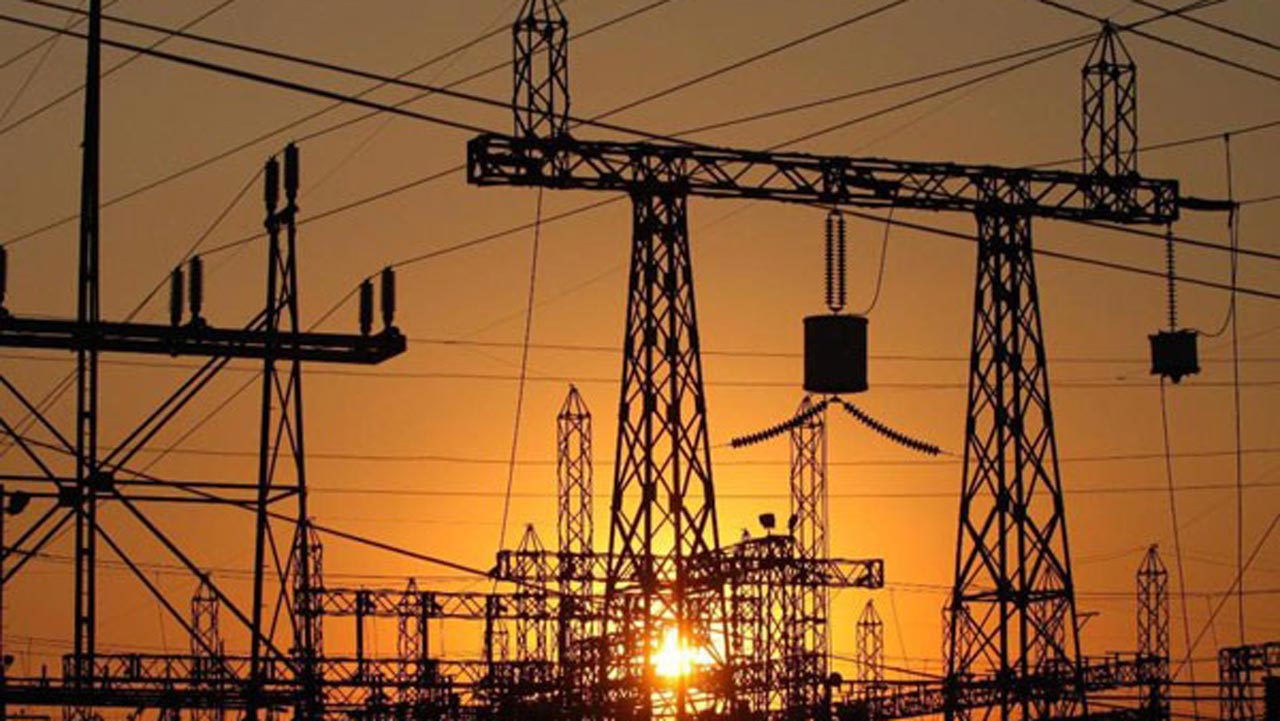
Electricity nationwide blackout | South African municipalities

Electricity

The Organised Private Sector (OPSN) has lamented that the new tariff of N225/kwh for Band A electricity customers, may trigger mass closure of businesses.

The operators said that over 65 per cent of private businesses, especially manufacturing sector and SMEs, may be forced to close down due to the high electricity tariff.

The Association called for the suspension of new tariff implementation to enable all stakeholders have meaningful dialogue around the process and method-ology of determining electricity tariff as well as jointly agreeing on the transparent mechanism re-quired for tariff setting.

It said Nigeria now ranks third after Germany and the United Kingdom on the list of countries with high electricity costs.

The Association, comprising top Business Membership Organisations (BMOs) Manufactures Association of Nigeria (MAN), Nigerian Association of Chambers of Commerce, Industry, Mines and Agriculture (NACCIMA), Nigeria Employers’ Consultative Association (NECA), Nigerian Association of Small-Scale Industrialists (NASSI) and Nigerian Association of Small and Medium Enterprises (NASME) representing more than five million businesses in Nigeria stated this in a joint release.

Subscribe to our Telegram channel for the latest updates.

Follow the latest developments with instant alerts on breaking news, top stories, and trending headlines.

Join Channel

It said that “the OPSN has received numerous complaints from its member-companies on the implications of the recent astronomical increase in electricity tariff by the Nigerian Electricity Regulatory Commission (NERC) for Band A customers without the required and proper consultations with the private sector.

“This sudden exponential in-crease in the face of inadequate electricity supply, is inimical to the competitiveness of Nigerian products and businesses and will definitely exacerbate the impact of high cost of production. Meanwhile, the astronomical increase is against the MYTO Order referenced NERC/2023/05, which valued the cost-reflective tariff at N114.8/Kwh (determined using exchange rate of N919.39/$1).

It also does not reflect the current exchange rate reality that has seen the naira appreciated by 62.95 percent over the dollar in the last one month.”

It explained:

“A closer look at the impact of increase in elec-tricity tariff to N225/kwh (determined using exchange rate of N1463.31/$1) on the cost profile of a medium sized company using 700 kw revealed that the firm will need to pay about N1.4 billion per annum for electricity. In China, a similar medium sized company will pay a little over N24 million.”

It added that:

“What is most worrisome with the Nigerian case is the fact that the electricity to be supplied is not adequate. Also, the increase is coming on the heels of macroeconomic instability, infrastructure deficits, as well as other supply side constraints limiting the performance of the productive sector.”


0Shares
upperlink
Advertisements
Previous Post

Impact of AI, Hybrid Work Top HR Challenges in 2024

Next Post

Tinubu Concerned Over Mass Unemployment

Staff Writer

Staff Writer

Related Posts

Egbin Power employees

Egbin Power Honours Outstanding Employees, Talents

June 3, 2026
Taiwo Afolabi Cup Football

Amokachi, Dosu Joseph, Fatai Amoo Grace Taiwo Afolabi Cup Final

June 2, 2026

Fidelity Bank Sees Technology as a Strategic Enabler of Efficiency, Growth

June 2, 2026
Load More
Next Post
State Police, New Year Address by President Bola Tinubu, Oronsaye report, Tinubu

Tinubu Concerned Over Mass Unemployment

Leave a Reply Cancel reply

Your email address will not be published. Required fields are marked *

I agree to the Terms & Conditions and Privacy Policy.

This site uses Akismet to reduce spam. Learn how your comment data is processed.

Techeconomy Podcast
Techeconomy Podcast

The Techeconomy Podcast is a thought-leadership show exploring the powerful intersection of technology, business, and the economy, with a strong focus on Africa’s fast-evolving digital landscape.

Financing the Future: Venture Debt, Local Capital & African Innovation | TBS May 2026 Webinar
byTecheconomy

Africa’s innovation ecosystem is evolving, but where will the funding for the next generation of startups come from?

In this edition of the Techeconomy Business Series (TBS) May 2026, industry experts explore how local capital, venture debt, and smarter investment structures are redefining startup growth and innovation across Africa.

🎙️ Featured Speakers:

* Ebunoluwa Ashley-Dejo

* Damilare Davola

* Success Ajilore (STN & Accelerated Plus)

Key conversations in this webinar include:

✔️ The future of startup financing in Africa

✔️ Venture debt and alternative funding models

✔️ The role of local investors in scaling innovation

✔️ Sustainable investment strategies for African startups

✔️ Opportunities and challenges in the African tech ecosystem

Subscribe for more conversations shaping Africa’s digital economy and innovation landscape.

#TBS2026 #AfricanInnovation #VentureDebt #StartupFinance #TechInAfrica #Techeconomy #AfricanStartups #InnovationEconomy

Financing the Future: Venture Debt, Local Capital & African Innovation | TBS May 2026 Webinar
May 27, 2026
Techeconomy
PROTECTING INNOVATION IN AFRICA’S STARTUP ECOSYSTEM
April 29, 2026
Techeconomy
BUILDING TRUST IN AFRICA ECOSYSTEM
February 27, 2026
Techeconomy
Navigating a Career in Tech Sales
January 29, 2026
Techeconomy
How Technology is Transforming Education, Health, and Business
November 27, 2025
Techeconomy
Search Results placeholder
upperlink
Advertisements
ADVERTISEMENT
  • About Us
  • Careers
  • Contact Us
  • Privacy Policy

© 2026 TECHECONOMY.

No Result
View All Result
  • Technology
  • Business
  • Economy
  • Features
  • Editorial
  • Brand Content
  • TECHECONOMY TV

© 2026 TECHECONOMY.

This website uses cookies. By continuing to use this website you are giving consent to cookies being used. Visit our Privacy and Cookie Policy.

