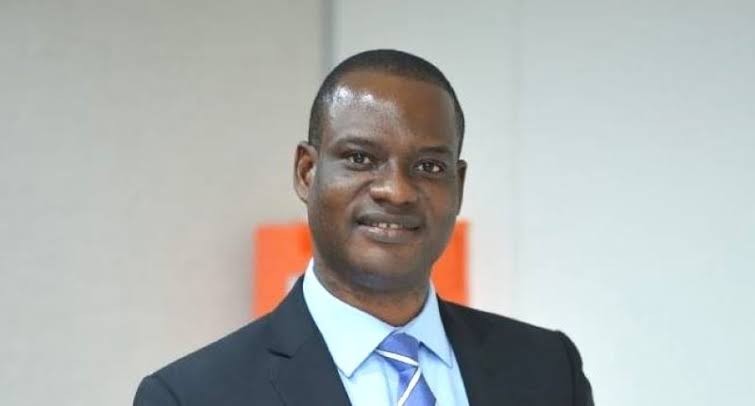
| By: Francis Onyemachi
Taiwo Oyedele, minister of Finance and coordinating minister of the Economy, has identified production, revenue optimisation and economic inclusion as the three key pillars needed to translate Nigeria’s economic stability into shared prosperity.
Oyedele, speaking at BusinessDay’s CEO Forum 2026 themed “From Stability to Shared Prosperity” on Thursday, said ongoing economic reforms have helped restore stability, but the next phase is ensuring that businesses, workers and households feel the impact through increased productivity, job creation and improved living standards.
He said Nigeria’s economic transition requires structural changes that will move the country beyond stability to broad-based growth.
“So I speak to you about the three pillars of our economic transition. To translate stability into shared prosperity, we are driving three interconnected structural shifts across our economy,” Oyedele said.
On productivity, the minister said Nigeria must shift from a resource-dependent economy to one focused on value creation, manufacturing and global competitiveness.
“For too long, Nigeria’s economy has been oriented towards distributing resource rents rather than creating new value. We import what we should produce, and we consume what we should export. We must build an economy that manufactures, processes and competes globally,” he said.
He explained that this challenge informed the government’s industrial focus on sectors including agro-processing, technology, energy and light manufacturing.
Speaking on revenue optimisation, Oyedele said Nigeria needs to strengthen its fiscal capacity to fund infrastructure and essential public services without placing unnecessary pressure on citizens through additional taxes.
“Nigeria’s fiscal model has been historically constrained. We cannot fund modern infrastructure, quality healthcare, or a world-class education system on a historical revenue base,” he said.
The minister also stressed the importance of inclusion, saying economic growth must translate into better outcomes for a wider section of the population.
“Prosperity is meaningless if it is not shared,” Oyedele said.
According to him, the government is investing in human capital development, vocational training and skills acquisition while supporting small and medium-sized enterprises because of their role in creating jobs and driving innovation.
“We are deliberately investing in human capital, vocational training and skills development. We are supporting small and medium-sized enterprises, not as an act of charity, but because they are the true engines of job creation and grassroots innovation,” he added.
Oyedele said the Federal Government is also developing a scorecard to track the impact of its reforms and measure whether economic growth is improving citizens’ welfare.
He further noted that the assessment will focus on reducing multidimensional poverty, increasing real income per capita and lowering inequality.
“We will measure shared prosperity based on reduction in the number of people living in multidimensional poverty, the increase in real income per capita, and reduction in inequality. We think the combined impact of those three measures will tell us whether our growth is inclusive and whether our prosperity is shared,” he said.
The minister added that the scorecard will be made publicly available to promote transparency and ensure that economic reforms deliver measurable improvements in living standards.