


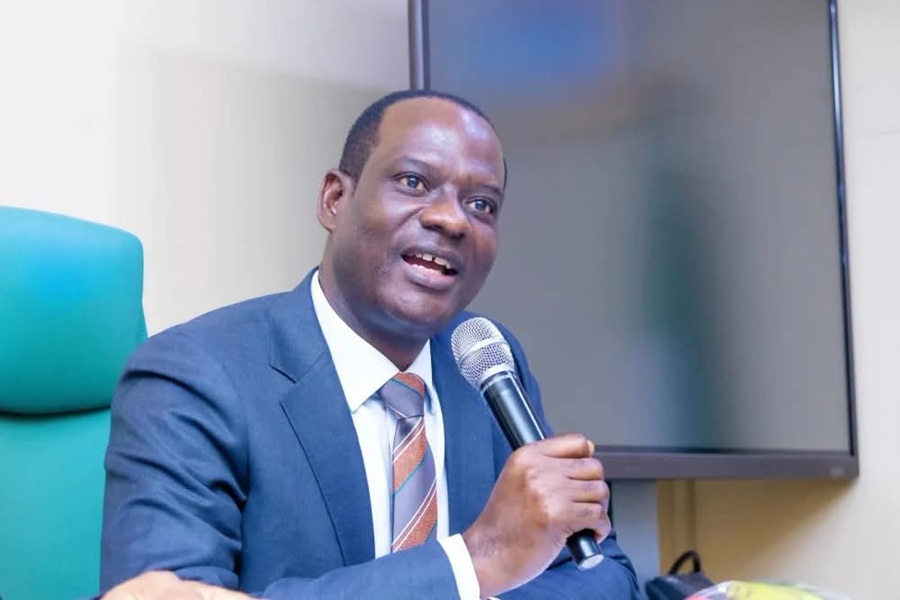
Taiwo Oyedele, Nigeria’s finance minister and coordinating minister of the Economy, said on Monday that President Bola Tinubu’s administration had not borrowed the nearly 80 trillion naira widely cited in public discourse, attributing the sharp rise in the country’s debt stock largely to exchange-rate revaluation and inherited liabilities rather than new loans.
Addressing the Senate Committee on Finance during a review of the country’s fiscal position, Oyedele said the increase in public debt since Tinubu took office reflected accounting adjustments following currency reforms, the securitisation of legacy obligations, and refinancing of existing debt.
“When this administration came into office, public debt was around 75 trillion naira. Many people compare that figure with today’s debt stock and conclude that the government borrowed the difference. That is not correct,” Oyedele said.
According to him, more than 40 trillion naira was added to Nigeria’s debt stock after the depreciation of the naira increased the local currency value of the country’s foreign-denominated debt.
Another 33 trillion naira reflected the conversion of Ways and Means advances inherited from the previous administration into formal government debt, rather than new borrowing, he said.
Oyedele added that much of the government’s domestic borrowing involved refinancing maturing obligations rather than taking on additional debt.
“Even for domestic borrowing, much of it is refinancing. Debt that was borrowed previously matures, and the government raises new debt to refinance it. That is not new borrowing,” he said.
The clarification came after lawmakers questioned the government’s rising debt profile despite improved revenue collections.
Oyedele said federal tax revenue rose 49% year-on-year to 21.6 trillion naira in the first six months of 2026, driven by tax reforms, digitalisation and stronger compliance.
However, he said expenditure continued to outpace revenue because of higher debt servicing costs, implementation of a new minimum wage, public sector salary adjustments and statutory spending commitments.
He also said Nigeria’s external reserves had risen above $51 billion, their highest level in 17 years, while economic reforms introduced by the Tinubu administration had helped improve macroeconomic stability and investor confidence.
Lawmakers nonetheless raised concerns over weak implementation of the capital component of the 2026 budget and said they would continue to scrutinise the country’s debt sustainability and the use of import duty waivers.
The government’s debt strategy has drawn increased public scrutiny as Nigerians grapple with high inflation, elevated borrowing costs and the economic impact of reforms introduced since Tinubu took office in May 2023.



