

ADVERTISEMENT
Thursday, June 4, 2026
Tech | Business | Economy
No Result
View All Result
  • Technology
    • Trends
    • Telecoms
      • Broadband
    • ConsumerTech
      • Gadgets and Appliances
      • Apps
      • Accessories
      • Reviews
      • Unboxing
    • EnterpriseTECH
    • Security & Data Protection
    • How To
  • Business
    • Company News
    • StartUPs
      • Founder’s Story
      • Funding
    • Deals
    • People & Moves
    • SME & Entrepreneur Focus
    • BUSINESS SENSE FOR SMEs
    • Competition & Market Positioning
    • Commerce & Mobility
    • Travel
    • WomenPreneurs
  • Economy
    • Macroeconomic Trends
      • Macro Monday
      • TE Insights
    • Finance
      • Banks
      • Fintech
      • Insurance
      • Digital Assets
      • Personal Finance
    • Policies
      • Tech & Society
    • Market Analysis
    • Jobs & Workforce Economy
  • Features
    • Guest Writer
      • Chidiverse
      • Digital Assets
      • GameTech
    • EventDIARY
    • IndustryINFLUENCERS
    • MarkTECH
    • TBS
    • NewsEXTRA
  • Editorial
  • Brand Content
  • TECHECONOMY TV
Thursday, June 4, 2026
Tech | Business | Economy
No Result
View All Result
Tech | Business | Economy
No Result
View All Result

Home » Pick n Pay Joins Foreign Exodus, Exits Nigerian Market

Pick n Pay Joins Foreign Exodus, Exits Nigerian Market

Joan Aimuengheuwa by Joan Aimuengheuwa
October 28, 2024
in Business
Reading Time: 2 mins read
1
Pick n Pay Joins Foreign Exodus, Exits Nigerian Market

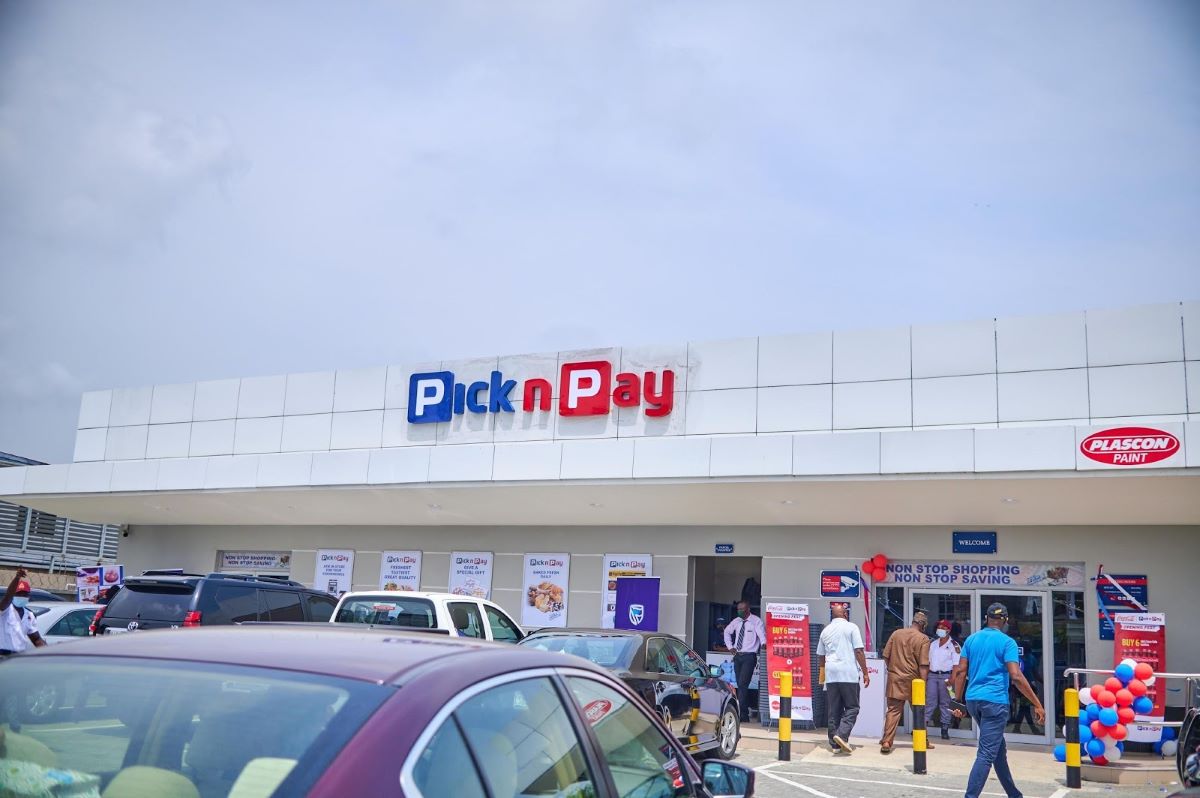
Pick n Pay grocery store

South Africa’s Pick n Pay is exiting Nigeria, joining the retreat of international retailers from Africa’s largest economy. 

The grocery giant, which currently holds a 51% stake in its Nigerian joint venture with A.G. Leventis, announced this exit as a strategy to focus on its core South African market, as operational challenges have been increasing in Nigeria.

CEO Sean Summers made the announcement on Monday, less than five years after the retailer first established a presence in Nigeria with two stores.

Pick n Pay’s departure reiterates the difficulties faced by foreign retailers in Nigeria’s tough economic sector. High inflation, currency volatility, and rising costs have corrupted consumer purchasing power and made operations very challenging. 

Even with Nigeria’s promising consumer base, these macroeconomic issues have deterred profitability, pushing numerous international businesses to reassess their presence.

Subscribe to our Telegram channel for the latest updates.

Follow the latest developments with instant alerts on breaking news, top stories, and trending headlines.

Join Channel

The announcement follows a series of similar moves by other South African retailers. Shoprite, for example, exited Nigeria after closing its stores in Abuja and Kano, due to an adverse business environment. 

This retreat has affected not just South African companies but also multinationals like Diageo, which recently sold its majority stake in Guinness Nigeria Plc, and firms like GSK, Procter & Gamble, Sanofi, and Kimberly-Clark. 

Many of these companies have pointed to the endless issues of foreign exchange restrictions, escalating energy prices, and weakened consumer demand with high inflation as reasons for their withdrawal.

Nigeria has seen unstable inflation, with rates rising from about 24% to over 34% within the past 18 months. This surge, driven largely by the increasing cost of food and transportation, has negatively impacted consumers and retailers alike. 

Furthermore, the naira has depreciated greatly, dropping from around N462/$ to more than N1,500/$, following a government-led forex unification effort aimed at closing the gap between official and parallel market rates.

For Pick n Pay, which recently reported a larger half-year loss due to reduced profit margins and increased borrowing costs, exiting Nigeria aligns with its goal of consolidating resources to stabilise its South African operations. 

The company posted a pre-tax loss of 1.1 billion rand for the six months ending in August, with losses primarily stemming from its core supermarket division. However, Pick n Pay acknowledged growth in its clothing and online sectors, as well as a profitable performance by its Boxer discount division, which saw a 16% increase in trading profit. 

Summers said that the retailer could halve its trading losses in South Africa by year’s end, pointing to these profitable segments as essential to Pick n Pay’s recovery moves. 

The company has also set its sights on listing its Boxer division on the Johannesburg Stock Exchange, with expectations of raising up to 8 billion rand, potentially being the largest listing in Africa for the year.

The federal government is striving to attract investment to boost economic stability, yet the challenges facing consumer goods companies are standing as obstacles to achieving sustainable growth in this market.

0Shares
Previous Post

BCPG Calls on Lagos to Leverage Technology in Preventing Building Collapses

Next Post

Should All Public Transportation Be Free to Reduce Traffic Congestion and Emissions?

Joan Aimuengheuwa

Joan Aimuengheuwa

Joan thrives at helping individuals and businesses scale via storytelling...

Related Posts

Interswitch and Temenos

Interswitch Seals Digital Banking Services Deal Temenos

June 4, 2026
Nigeria sugar tax increase

Nigeria Senate Approves New Sugar Tax That Will Push Up Price of Soft Drinks

June 4, 2026

Bolt Send: What You Can and Can’t Deliver Under the ₦50,000 Value Limit

June 3, 2026
Load More
Next Post
Should All Public Transportation Be Free to Reduce Traffic Congestion and Emissions?

Should All Public Transportation Be Free to Reduce Traffic Congestion and Emissions?

Comments 1

  1. Pingback: Bajaj SA, Picup Partner to Accelerate Last-mile Delivery | Tech | Business | Economy

Leave a Reply Cancel reply

Your email address will not be published. Required fields are marked *

I agree to the Terms & Conditions and Privacy Policy.

This site uses Akismet to reduce spam. Learn how your comment data is processed.

Techeconomy Podcast
Techeconomy Podcast

The Techeconomy Podcast is a thought-leadership show exploring the powerful intersection of technology, business, and the economy, with a strong focus on Africa’s fast-evolving digital landscape.

Financing the Future: Venture Debt, Local Capital & African Innovation | TBS May 2026 Webinar
byTecheconomy

Africa’s innovation ecosystem is evolving, but where will the funding for the next generation of startups come from?

In this edition of the Techeconomy Business Series (TBS) May 2026, industry experts explore how local capital, venture debt, and smarter investment structures are redefining startup growth and innovation across Africa.

🎙️ Featured Speakers:

* Ebunoluwa Ashley-Dejo

* Damilare Davola

* Success Ajilore (STN & Accelerated Plus)

Key conversations in this webinar include:

✔️ The future of startup financing in Africa

✔️ Venture debt and alternative funding models

✔️ The role of local investors in scaling innovation

✔️ Sustainable investment strategies for African startups

✔️ Opportunities and challenges in the African tech ecosystem

Subscribe for more conversations shaping Africa’s digital economy and innovation landscape.

#TBS2026 #AfricanInnovation #VentureDebt #StartupFinance #TechInAfrica #Techeconomy #AfricanStartups #InnovationEconomy

Financing the Future: Venture Debt, Local Capital & African Innovation | TBS May 2026 Webinar
May 27, 2026
Techeconomy
PROTECTING INNOVATION IN AFRICA’S STARTUP ECOSYSTEM
April 29, 2026
Techeconomy
BUILDING TRUST IN AFRICA ECOSYSTEM
February 27, 2026
Techeconomy
Navigating a Career in Tech Sales
January 29, 2026
Techeconomy
How Technology is Transforming Education, Health, and Business
November 27, 2025
Techeconomy
Search Results placeholder
MTN Live It 100 Thematic Campaign
ADVERTISEMENT
  • About Us
  • Careers
  • Contact Us
  • Privacy Policy

© 2026 TECHECONOMY.

No Result
View All Result
  • Technology
  • Business
  • Economy
  • Features
  • Editorial
  • Brand Content
  • TECHECONOMY TV

© 2026 TECHECONOMY.

This website uses cookies. By continuing to use this website you are giving consent to cookies being used. Visit our Privacy and Cookie Policy.


