

Power supply is a daily problem in Nigeria, with blackouts being common, and the national grid failing to regularly provide steady electricity to homes and businesses.
In January 2026, the grid collapsed twice. The outages affected large parts of the country and once again showed how unreliable the system still is.
Because of this, many Nigerians rely on petrol and diesel generators. Homes, shops, offices and small businesses use generators to power lights, appliances and equipment.
While this helps people get by, it comes with rising fuel costs, regular maintenance and constant noise. The fumes from generators also lead to health and environmental issues.
Unstable electricity has made it harder to use technology effectively. Smartphones, laptops, internet routers and smart home devices are often affected by outages.
Sudden power cuts and voltage changes damage batteries and internal parts, leading to frequent repairs and shorter device life.
These disruptions slow work, increase expenses and limit the growth of digital businesses.
Clean Energy Comes In
Clean energy is now filling part of the gap. Solar power systems, combined with inverters and battery storage, are becoming more common in homes and offices. Many users see them as a more reliable option than fuel generators.
Across the country, solar installations are increasing as equipment becomes more affordable. Projections suggest renewable energy will make up a larger share of Nigeria’s power supply by 2030.
Government policy has also supported this shift. The Renewable Energy Master Plan (REMP) targets an increase in renewable energy, excluding large hydro power, from 13% in 2015 to 36% by 2030.
Import duty exemptions on solar equipment and support for local manufacturing are part of this effort.
What This Means for Gadgets and Smart Devices
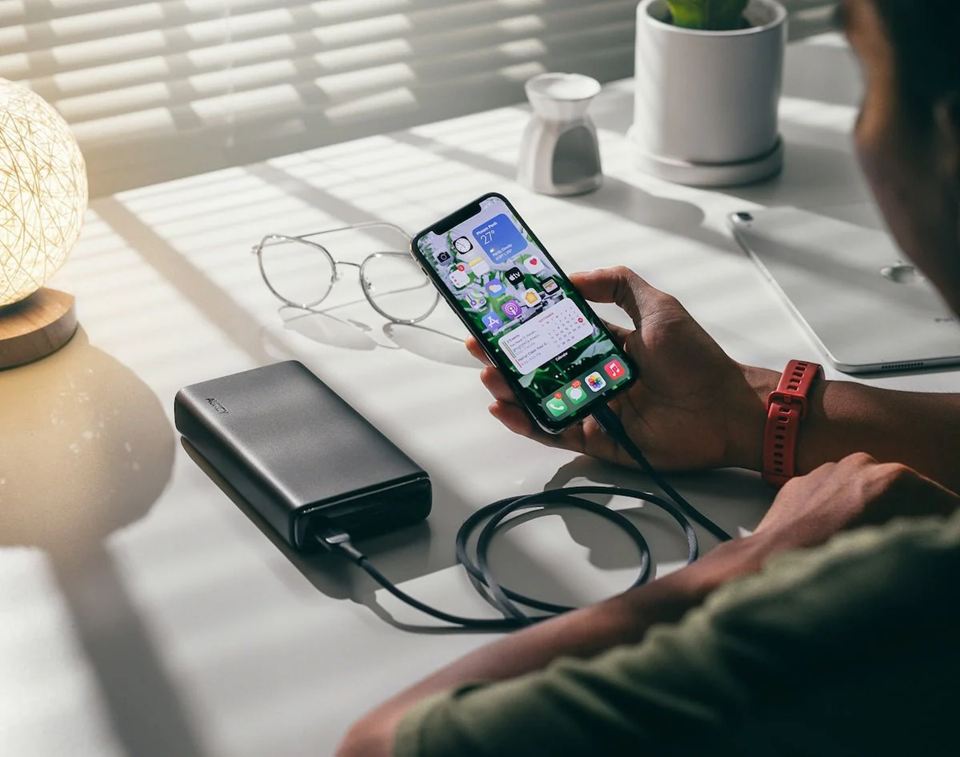
For everyday gadgets, stable power makes a difference. Solar-hybrid systems with battery backup allow phones to be charged, laptops to run and routers to stay on even during grid outages.
Steady voltage also reduces damage to devices. Batteries last longer, components fail less often, and repair costs drop over time.
Manufacturers are responding to this reality. Energy-efficient smartphones, laptops with longer battery life, smart plugs and low-power IoT devices designed for off-grid or hybrid power use are becoming easier to find in Nigeria.
Clean Energy and Electric Vehicles in Nigeria
Clean energy is also important for electric vehicles. EVs need reliable and affordable charging, and without stable power, adoption remains limited. Nigeria’s EV market is still small but growing.
Estimates reveal more than 10,000 electric vehicles, including two- and three-wheel models, are already in use, with steady growth between 2020 and 2025.
Increasing fuel prices and greater awareness of global trends have increased interest in EVs. Local assembly is also expanding, placing Nigeria among the early EV manufacturing countries in Africa.
Challenges, including the fact that public charging stations are limited, vehicle prices are high, and infrastructure is uneven, are still on ground. Even so, policy incentives, planned charging projects and private investment suggest gradual progress.
Therefore, Clean energy provides great benefits. Households spend less on fuel and gain more control over power.
Businesses find new opportunities in manufacturing, energy services and power management. The wider economy benefits from new jobs and reduced dependence on fossil fuels.
For Nigeria, clean energy is not just about sustainability. It is increasingly tied to how people use gadgets, run smart devices and prepare for electric mobility.