



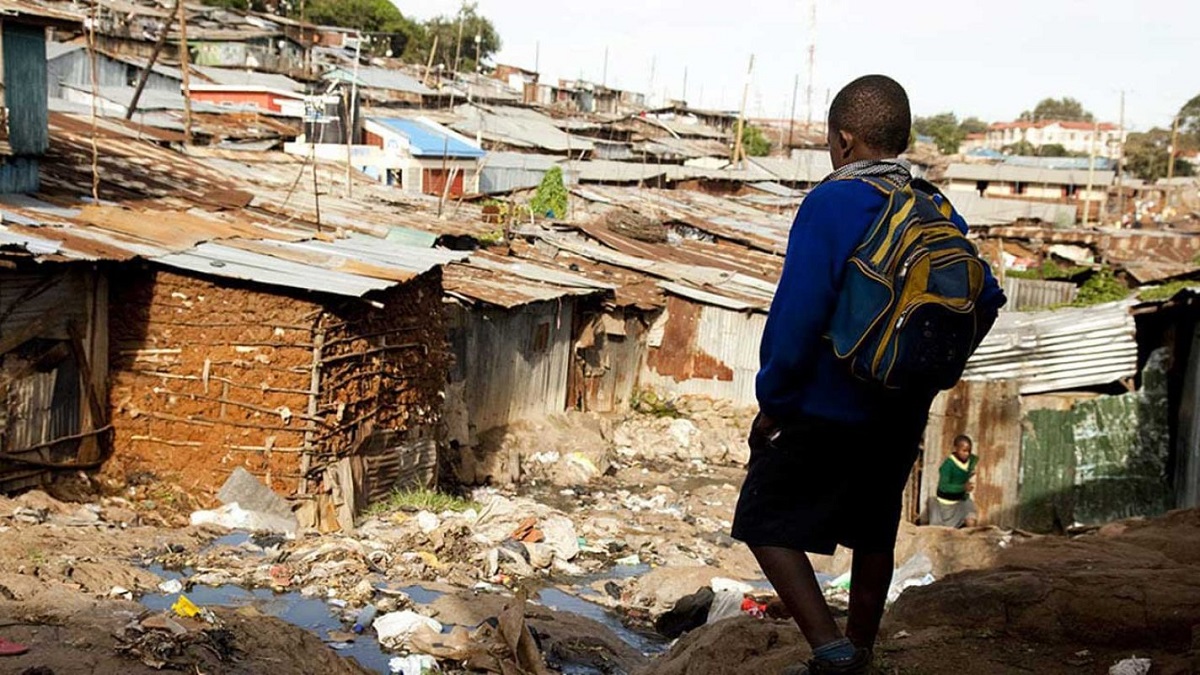
Nigeria is facing a worsening poverty crisis in 2026, with an estimated 141 million people around 62 % of the population, projected to be living below the poverty line, according to the latest Nigeria Economic Outlook 2026 report by PricewaterhouseCoopers (PwC).
The professional services firm’s analysis forecasts that despite a slight easing in inflation, at least two million more Nigerians are likely to slip into poverty this year, pushing the total number of impoverished citizens higher than in 2025.
PwC attributes the rising numbers to legacy policy gaps, global economic shocks, and the immediate social costs of ongoing fiscal reforms aimed at stabilising the economy.
The report suggests that while core macroeconomic indicators, including inflation, may show modest improvement, household incomes are unlikely to keep pace with the cost of living, especially for low-income families.

Economists say the situation reflects deep structural challenges.
Data shows that poverty in Nigeria has been on a steep upward trajectory over the past decade, with numbers rising sharply in recent years as real income growth lags behind population expansion and persistent price pressures.
Experts warn that if trends continue, the country may see even greater economic hardship without accelerated job creation, expanded social safety nets and targeted policy interventions to protect vulnerable households.