

ADVERTISEMENT
Thursday, June 11, 2026
Tech | Business | Economy
No Result
View All Result
  • Technology
    • Trends
    • Telecoms
      • Broadband
    • ConsumerTech
      • Gadgets and Appliances
      • Apps
      • Accessories
      • Reviews
      • Unboxing
    • EnterpriseTECH
    • Security & Data Protection
    • How To
  • Business
    • Company News
    • StartUPs
      • Founder’s Story
      • Funding
    • Deals
    • People & Moves
    • SME & Entrepreneur Focus
    • BUSINESS SENSE FOR SMEs
    • Competition & Market Positioning
    • Commerce & Mobility
    • Travel
    • WomenPreneurs
  • Economy
    • Macroeconomic Trends
      • Macro Monday
      • TE Insights
    • Finance
      • Banks
      • Fintech
      • Insurance
      • Digital Assets
      • Personal Finance
    • Policies
      • Tech & Society
    • Market Analysis
    • Jobs & Workforce Economy
  • Features
    • Guest Writer
      • Chidiverse
      • Digital Assets
      • GameTech
    • EventDIARY
    • IndustryINFLUENCERS
    • MarkTECH
    • TBS
    • NewsEXTRA
  • Editorial
  • Brand Content
  • TECHECONOMY TV
Thursday, June 11, 2026
Tech | Business | Economy
No Result
View All Result
Tech | Business | Economy
No Result
View All Result

Home » PwC Takes Control of Koko Networks After Clean-Cooking Startup Enters Administration

PwC Takes Control of Koko Networks After Clean-Cooking Startup Enters Administration

Joan Aimuengheuwa by Joan Aimuengheuwa
February 4, 2026
in StartUPs
Reading Time: 3 mins read
0
PwC Takes Control of Koko Networks

Source: Koko Networks

PricewaterhouseCoopers (PwC) has taken control of Koko Networks, days after the clean-cooking startup effectively stopped operating across Kenya. 

The appointment of PwC as administrator is the first formal step in dealing with a collapse that had already played out.

Muniu Thoithi and George Weru of PwC were appointed joint administrators on February 1 under the Insolvency Act 2015. 

From that point, control of the company’s assets and decisions moved away from management. 

“The primary objective of administration proceedings is to allow Administrators to explore ways of rescuing the company as a going concern where feasible or achieving a better outcome for the creditors of the company than would be in the case of a liquidation,” the notice said.

Subscribe to our Telegram channel for the latest updates.

Follow the latest developments with instant alerts on breaking news, top stories, and trending headlines.

Join Channel

By the time PwC arrived, the damage was already visible. On January 31, more than 700 employees were laid off as Koko’s fuel distribution slowed and, in many areas, stopped. 

Customers in low-income neighbourhoods who depended on the company’s ethanol refills were left without supply. 

At its peak, Koko served between 1.3 and 1.5 million households through about 3,000 automated fuel shops in Kenya and Rwanda, though the Rwanda operation had been paused earlier.

What finally broke the business was regulatory. Koko had spent months seeking a Letter of Authorisation that would allow it to sell carbon credits internationally. 

Those talks were described by people close to the company as “going well” until last week, when a senior official rejected the application and “trashed every progress” made. 

That decision shut the door on carbon revenues that investors had tied to more than $300 million in equity, debt and guarantees.

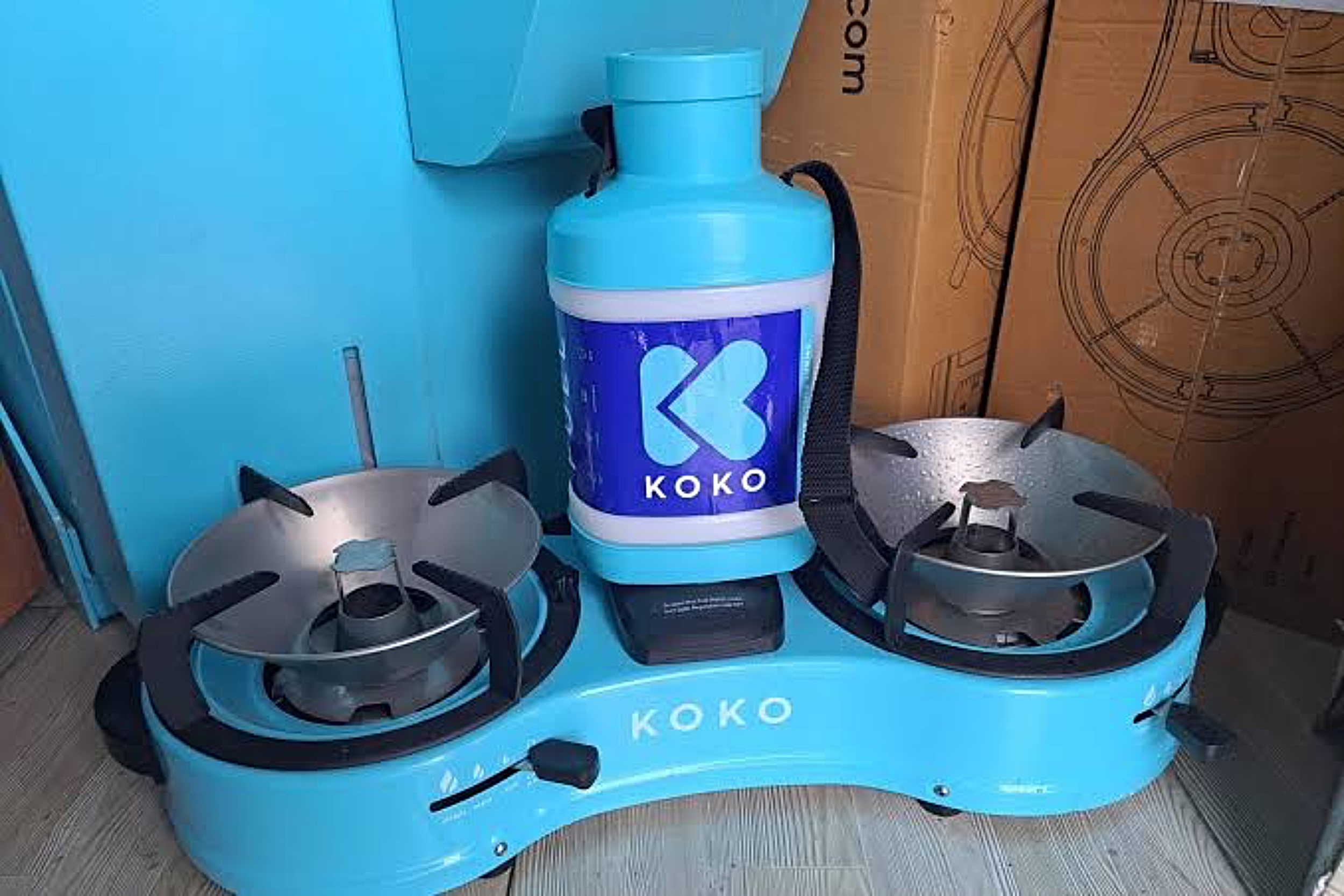
Without that income, the numbers no longer worked. Koko sold two-burner smart stoves at KES 1,950 ($16), far below cost, and kept fuel prices as low as KES 30 ($0.23). Carbon credits were meant to carry the loss. They never came.

Pressure had been building long before the final decision. In April 2024, Kenya’s Energy and Petroleum Regulatory Authority suspended bio-ethanol imports. 

Koko was forced to rely on a more expensive local supply, which disrupted logistics and tightened margins. By late 2025, fuel shortages had become frequent, even as the company tried to keep its network running.

Big names backed the expansion. Microsoft’s Climate Innovation Fund, Verod-Kepple, Mirova, Rand Merchant Bank and the World Bank’s Multilateral Investment Guarantee Agency, which provided a $179.6 million guarantee, all supported the company at different stages.

PwC now faces the options of assessing whether any part of the Koko Networks business can be rescued, or winding it down in a way that returns more to creditors than liquidation would. 

Creditors have been given 14 days to submit claims.

0Shares
Previous Post

A Look at Human Centric FinTech

Next Post

‘Fake Kidnapping Calls’, Practical Ways Families Can Verify Fast

Joan Aimuengheuwa

Joan Aimuengheuwa

Joan thrives at helping individuals and businesses scale via storytelling...

Related Posts

Rivvun AI founders | raises fund

$2 Trillion a Year Never Makes It from Obligation to Settlement | Rivvun AI Raises $7.55M to fix it

June 10, 2026
OneDosh pre-seed funding

OneDosh Secures Additional $1 million Pre-seed Investment, Bringing Total Funding to $4 Million

June 9, 2026

FG Launches NITDA Innovation Hub at OAU to Boost AI, Robotics Skills in Nigeria

June 9, 2026
Load More
Next Post
Unknown caller | Fake kidnapping Calls

‘Fake Kidnapping Calls’, Practical Ways Families Can Verify Fast

Leave a Reply Cancel reply

Your email address will not be published. Required fields are marked *

I agree to the Terms & Conditions and Privacy Policy.

This site uses Akismet to reduce spam. Learn how your comment data is processed.

Techeconomy Podcast
Techeconomy Podcast

The Techeconomy Podcast is a thought-leadership show exploring the powerful intersection of technology, business, and the economy, with a strong focus on Africa’s fast-evolving digital landscape.

Financing the Future: Venture Debt, Local Capital & African Innovation | TBS May 2026 Webinar
byTecheconomy

Africa’s innovation ecosystem is evolving, but where will the funding for the next generation of startups come from?

In this edition of the Techeconomy Business Series (TBS) May 2026, industry experts explore how local capital, venture debt, and smarter investment structures are redefining startup growth and innovation across Africa.

🎙️ Featured Speakers:

* Ebunoluwa Ashley-Dejo

* Damilare Davola

* Success Ajilore (STN & Accelerated Plus)

Key conversations in this webinar include:

✔️ The future of startup financing in Africa

✔️ Venture debt and alternative funding models

✔️ The role of local investors in scaling innovation

✔️ Sustainable investment strategies for African startups

✔️ Opportunities and challenges in the African tech ecosystem

Subscribe for more conversations shaping Africa’s digital economy and innovation landscape.

#TBS2026 #AfricanInnovation #VentureDebt #StartupFinance #TechInAfrica #Techeconomy #AfricanStartups #InnovationEconomy

Financing the Future: Venture Debt, Local Capital & African Innovation | TBS May 2026 Webinar
May 27, 2026
Techeconomy
PROTECTING INNOVATION IN AFRICA’S STARTUP ECOSYSTEM
April 29, 2026
Techeconomy
BUILDING TRUST IN AFRICA ECOSYSTEM
February 27, 2026
Techeconomy
Navigating a Career in Tech Sales
January 29, 2026
Techeconomy
How Technology is Transforming Education, Health, and Business
November 27, 2025
Techeconomy
Search Results placeholder
MTN Live It 100 Thematic Campaign
ADVERTISEMENT
  • About Us
  • Careers
  • Contact Us
  • Privacy Policy

© 2026 TECHECONOMY.

No Result
View All Result
  • Technology
  • Business
  • Economy
  • Features
  • Editorial
  • Brand Content
  • TECHECONOMY TV

© 2026 TECHECONOMY.

This website uses cookies. By continuing to use this website you are giving consent to cookies being used. Visit our Privacy and Cookie Policy.


