


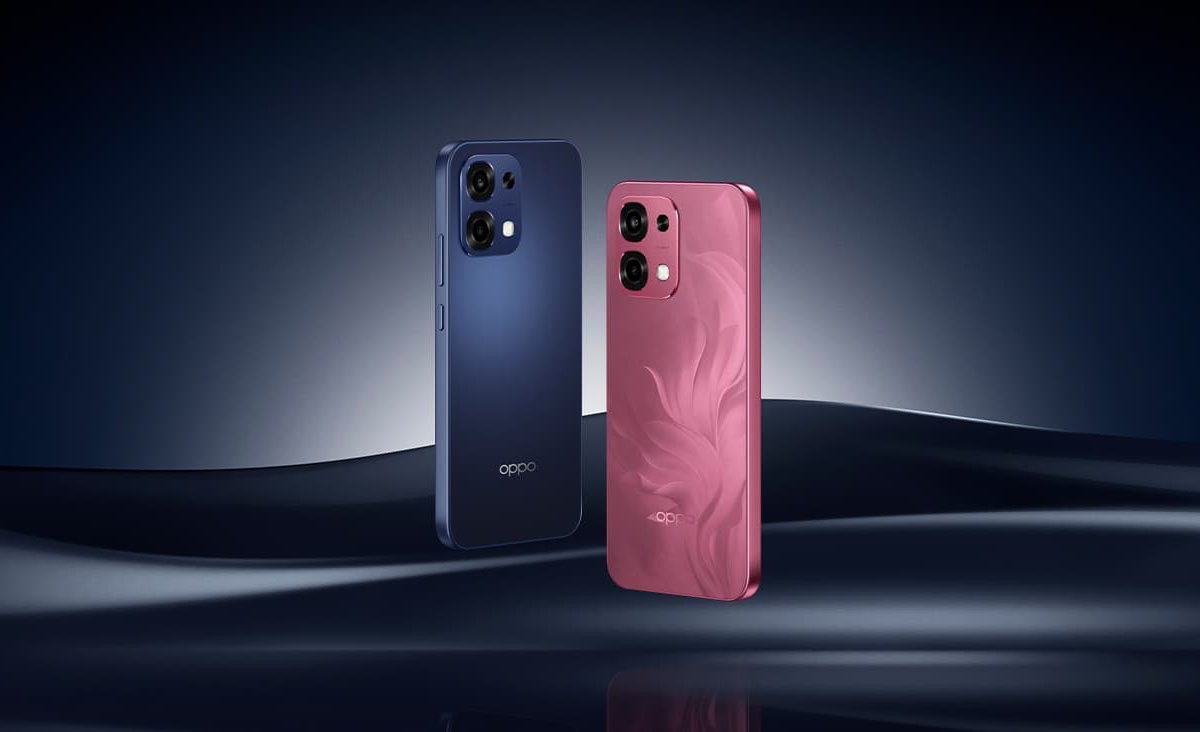
Realme is no longer operating as a standalone smartphone brand as the Chinese smartphone maker has been integrated into OPPO as a sub-brand.
This results from a restructuring inside BBK Electronics as competition increases and growth slows across the global smartphone market.
Under the new structure, OPPO will operate as the lead brand, while Realme and OnePlus function as its official sub-brands. OPPO will be in charge of product direction and shared operations, while allowing Realme to continue targeting price-sensitive buyers and OnePlus to focus on premium smartphones.
The decision follows an internal reshuffle announced by OPPO in January 2026, aimed at cutting overlapping costs across engineering, marketing and customer support. Rather than running multiple teams in parallel, BBK is now concentrating its resources under fewer command lines as smartphone demand softens worldwide.
BBK Electronics already holds a solid position, particularly in India. Its combined brands, OPPO, Vivo, Realme, OnePlus and iQOO, controlled close to 48% of the Indian smartphone market by the second quarter of 2025, up from 46.5% in 2022.
Subscribe to our Telegram channel for the latest updates.
Follow the latest developments with instant alerts on breaking news, top stories, and trending headlines.

Globally, BBK’s portfolio ranks among the top five vendors, placing it in direct competition with Samsung and Apple.
Realme’s inclusion under OPPO is as much about margin pressure as scale. The brand has built a strong following in India and Southeast Asia and has always ranked among the top five by shipments.
In Europe, however, its low-price strategy brought volume but struggled to produce sustainable profits. Folding into OPPO allows Realme to lean on a larger supply chain and a shared research base.
Development expenses are increasing, consumers are holding on to phones longer, and manufacturers are betting heavily on foldable designs and software-led features to stand out.
The structure also reveals a playbook used before in China’s smartphone industry, where multiple brands target different income groups while sharing back-end systems. The difference now is the level of central management.
OPPO’s restructuring is a move from expansion to efficiency and this could enhance competition, further crowding out smaller operators.