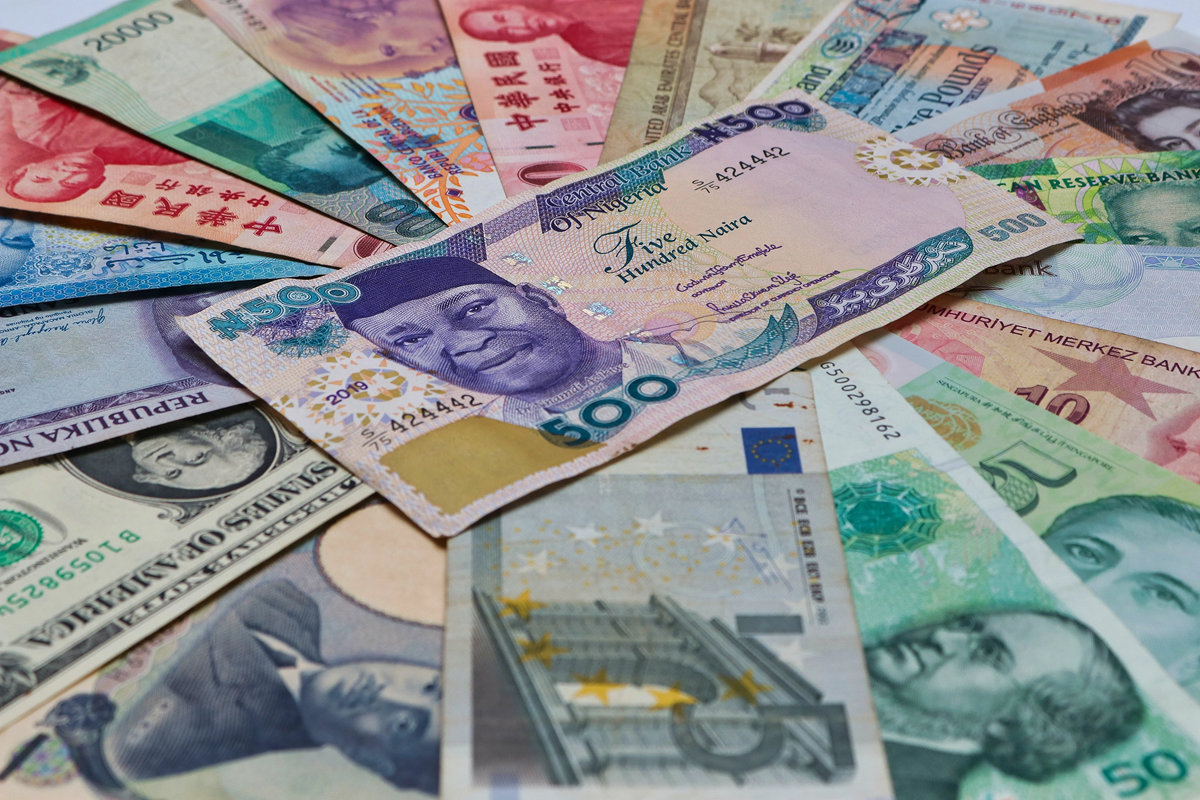
The naira is predicted to depreciate further against the United States dollar by 2028.
Latest report by BMI, a Fitch Solutions subsidiary, has revealed that the naira may hit its lowest depreciation to N1,993, posing a significant challenge to Nigeria’s pharmaceutical industry, particularly in importing essential medical devices, a new report.
In the report titled “Weak Naira and Structural Challenges to Constrain Nigeria’s Medical Devices Market Growth”, BMI projected that despite an anticipated rebound in the economy, Nigeria’s medical devices sector will face operational and demand challenges in the near term.
The report noted that Nigeria relies on imports for over 95 per cent of its medical devices, making it vulnerable to fluctuations in exchange rates.
“Continued weakness of the naira will increase medical device import costs and erode consumer purchasing power. Similar to other markets in sub-Saharan Africa, Nigeria heavily relies on medical device imports, with reliance of over 95 per cent.
“We expect that the naira will end 2028 at N1,993/$ from N306/$ in 2018. As the naira weakens, the cost of importing medical devices will continually increase, eroding both the health system and patient purchasing power especially to invest in essential medical technologies given underfunding of the public health sector.
“This would particularly affect high-cost demand for devices such as diagnostics, orthopaedics and dental products. On the export front, a weaker naira will enhance the competitiveness of locally manufactured medical devices, fostering growth in the sector,” the report stated.
While a weaker naira could enhance the competitiveness of locally manufactured medical devices, BMI highlighted persistent barriers to local production.
These include a scarcity of skilled labour, limited access to modern technology, and inadequate infrastructure, which continue to undermine manufacturing efforts despite government incentives.
The administration of President Bola Tinubu has implemented measures aimed at easing these pressures.
In June 2024, an executive order was issued to reduce medical service costs by eliminating tariffs, excise duties, and Value Added Tax on specific machinery, equipment, and raw materials, with the goal of lowering local production costs.
However, BMI observed that the medical devices market would continue to face significant challenges in the short term.
The report forecasted that Nigeria’s medical devices market could grow to a value of N171.1bn (£344.7m) by 2028, supported by a large population, an increasing focus on universal health coverage, and the double burden of chronic and communicable diseases.
Nigeria’s economy is expected to recover in 2025, with a growth rate of 3.0 per cent predicted for 2024, compared to 2.9 per cent recorded in 2023.
However, persistent issues such as high inflation, tighter monetary policies, and weak foreign direct investment could weigh on the growth of the medical devices sector.