

ADVERTISEMENT
Saturday, January 24, 2026
  • Login
Tech | Business | Economy
No Result
View All Result
NEWSLETTER
  • News
  • Tech
    • DisruptiveTECH
    • ConsumerTech
    • How To
    • TechTAINMENT
  • Business
    • BUSINESS SENSE FOR SMEs
    • Telecoms
    • Commerce & Mobility
    • Environment
    • Travel
    • StartUPs
      • Chidiverse
    • TE Insights
    • Security
  • Partners
  • Economy
    • Finance
    • Fintech
    • Digital Assets
    • Personal Finance
    • Insurance
  • Features
    • IndustryINFLUENCERS
    • Guest Writer
    • EventDIARY
    • Editorial
    • Appointment
    • Chidiverse
  • TECHECONOMY TV
  • Apply
  • TBS
  • Advertise
  • News
  • Tech
    • DisruptiveTECH
    • ConsumerTech
    • How To
    • TechTAINMENT
  • Business
    • BUSINESS SENSE FOR SMEs
    • Telecoms
    • Commerce & Mobility
    • Environment
    • Travel
    • StartUPs
      • Chidiverse
    • TE Insights
    • Security
  • Partners
  • Economy
    • Finance
    • Fintech
    • Digital Assets
    • Personal Finance
    • Insurance
  • Features
    • IndustryINFLUENCERS
    • Guest Writer
    • EventDIARY
    • Editorial
    • Appointment
    • Chidiverse
  • TECHECONOMY TV
  • Apply
  • TBS
  • Advertise
No Result
View All Result
Tech | Business | Economy
No Result
View All Result
  • News
  • Tech
  • Business
  • Partners
  • Economy
  • Features
  • TECHECONOMY TV
  • Apply
  • TBS
  • Advertise

Home » Report Shows Surge in QR Code Phishing Attacks

Report Shows Surge in QR Code Phishing Attacks

…in the second half of 2025

Destiny Eseaga by Destiny Eseaga
January 24, 2026
in Security
Reading Time: 2 mins read
0
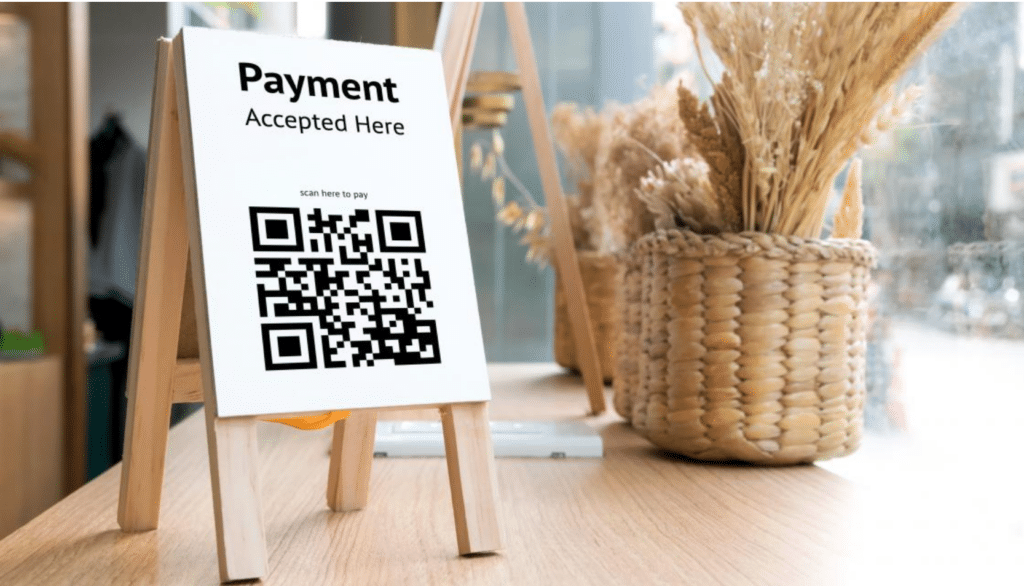
QR Codes Payment Market | Keep Nigeria’s Payment Rails Open

QR Codes Payment

There has been reported spike in phishing emails containing malicious QR codes.

According to Kaspersky, detections for these jumped from 46,969 in August 2025 to 249,723 in November 2025, a more than fivefold growth, as cybercriminals increasingly exploit QR codes, a trend that will likely continue in 2026.

Attackers use QR codes in emails more frequently because they provide a simple and cost-effective way to conceal malicious URLs, evading detection by many protective solutions.

These QR codes are often embedded directly in email bodies or, even more commonly, within PDF attachments, an evolution that both masks phishing links and encourages users to scan them on mobile phones, which may have weaker security than work PCs.

MTN New

Malicious QR codes commonly appear in mass phishing campaigns as well as targeted ones. Links embedded within them may lead to:

  • Phishing forms impersonating login pages for services like Microsoft accounts or internal corporate portals, designed to steal usernames, passwords, and other credentials. 
  • Fake HR notifications urging employees to review or sign documents, such as vacation schedules, or even view lists of terminated staff, ultimately directing to credential-stealing sites.
  • Fraudulent invoices or purchase confirmations in PDF attachments, often combined with vishing (voice phishing) tactics that prompt victims to call provided phone numbers to “cancel” or clarify the transaction, enabling further social engineering attacks. 

These tactics exploit trust in routine business communications, leading to credential theft, account takeovers, data breaches, and financial fraud.

“Malicious QR codes have evolved into one of the most effective phishing tools, particularly when hidden in PDF attachments or disguised as legitimate business communications like HR updates. The explosive growth in November 2025 highlights how attackers are capitalising on this low-cost evasion technique to target employees on mobile devices, where protection is often minimal. Without advanced image analysis at the email gateway and safe scanning practices, organisations are left vulnerable to credential compromise and downstream breaches,” comments Roman Dedenok, Anti-Spam Expert at Kaspersky.

To defend against this escalating threat, Kaspersky recommends educating employees on cybersecurity and deploying a mail server security solution such as Kaspersky Security for Mail Server that provides trusted and secure corporate email exchange, countering spam, email-borne infections, all forms of phishing, business email compromise (BEC), QR code attacks, and other threats.


0Shares

stanbic
Previous Post

AI in Action 2026: Lagos-Built AI Tools Already Changing Daily Workflows

Next Post

MTN Group Appoints Shoyinka Shodunke as Executive IT Core Design and Delivery

Destiny Eseaga

Destiny Eseaga

My name is Destiny Eseaga, a communication strategist, journalist, and researcher, deeply intrigued by the political economy of Nigeria and the broader world context. My passion lies in the world of finance, particularly, capital markets, investment banking, market intelligence, etc

Next Post
Shoyinka Shodunke

MTN Group Appoints Shoyinka Shodunke as Executive IT Core Design and Delivery

Leave a Reply Cancel reply

Your email address will not be published. Required fields are marked *

I agree to the Terms & Conditions and Privacy Policy.

This site uses Akismet to reduce spam. Learn how your comment data is processed.

MTN New
UBA
Advertisements
  • About Us
  • Careers
  • Contact Us

© 2026 TECHECONOMY.

No Result
View All Result
  • Techeconomy
  • News
  • Technology
  • Business
  • Economy
  • Jobseeker
  • Advertise

© 2026 TECHECONOMY.

Welcome Back!

Login to your account below

Forgotten Password?

Retrieve your password

Please enter your username or email address to reset your password.

Log In
This website uses cookies. By continuing to use this website you are giving consent to cookies being used. Visit our Privacy and Cookie Policy.