

The global hiring landscape is undergoing a profound transformation. What used to be constrained by geography, manual screening, and unconscious bias is now being reshaped by conversational AI systems that democratize access to opportunity.
It’s a remarkable paradox: Artificial Intelligence is making hiring more human.
Through my experience building AI-driven interview and remote-hiring infrastructure, I’ve seen firsthand how technology, when designed with intention, can repair long-standing inequalities in the hiring pipeline, especially for talent across Africa, Latin America, and Southeast Asia who have historically been overlooked.
Why Hiring Needed to Change
Traditional recruitment processes have long been burdened by inefficiencies. Recruiters are overwhelmed by high application volumes. Strong candidates slip through unnoticed. Early screening is often influenced by bias, personal familiarity, or performance under pressure rather than true competence.
Remote work unlocked access to global talent, but it came with new challenges: timezone gaps, inconsistent interview formats, unpredictable assessment quality, and overwhelming demand on hiring teams.
It became clear that the world needed a new hiring infrastructure, one designed to scale fairly, consistently, and globally.
Building AI That Scales Equity
In working on conversational AI interview systems, my focus has been creating experiences that allow every candidate, regardless of location or background, to demonstrate their abilities on equal footing.
These systems use structured questions, competency-led scoring, and consistent evaluation frameworks to minimize bias and increase fairness.
The goal was never to replace recruiters, but to extend their capacity. AI-powered interview tools allow hiring teams to evaluate thousands of candidates efficiently without sacrificing depthorquality.
Just as importantly, they empower candidates to tell their stories in their own words, on their own time, without the anxiety or logistical barriers of traditional interviews.
The results have been compelling:
- Significant reductions in time-to-hire
- Improved diversity across candidate pipelines
- Increased confidence in cross-border hiring without lowering assessment standards
These outcomes are a direct result of shifting early screening from subjective impressions to evidence-based evaluation.
Transforming the Global Talent Supply Chain
Conversational AI is only one part of the broader shift. Equally important is the creation of remote-work infrastructure that supports global hiring end-to-end.
This includes compliant contracts, onboarding systems, readiness assessments, and performance insights, everything needed to help companies hire confidently across borders and help candidates integrate successfully into distributed teams.
By embedding AI-led interviews into this ecosystem, companies can move beyond résumés and connect with high-potential talent who would otherwise remain invisible in traditional hiring funnels.

In one example from my experience, a mid-sized European tech company successfully hired an entire engineering team from West Africa in just a few weeks. They conducted no initial live interviews.
Early evaluation was handled entirely through structured, conversational AI assessments. Only shortlisted candidates met hiring managers, and all hires proved to be high performers. That is what the future of work looks like, agile, inclusive, and borderless.
Humanizing AI in Recruitment
A persistent misconception is that AI dehumanizes the hiring process. My experience shows the opposite. When thoughtfully designed, AI removes friction, reduces bias, increases transparency, and gives both sides more room to make informed decisions.
This begins with design choices such as:
- Competency-based scoring models informed by diverse datasets
- Algorithms monitored with fairness, consistency, and auditability at the core
- A candidate experience that emphasizes clarity, dignity, and psychological safety
Every element of an AI hiring tool should be guided by a central question: Does this make hiring more equitable?
When the answer is yes, AI becomes a catalyst, not a threat, to human-centered hiring.
The Road Ahead
The next phase of AI-driven hiring will focus on personalization. Adaptive interview flows, contextual scoring models, career-path-aligned assessments, and integrations that connect candidates to learning or mentorship opportunities will become standard.
The goal is not just to help companies find talent faster, but to help people discover roles they might never have considered.
Final Thought
AI will not replace recruiters. But it will redefine excellence in recruitment. It will shift hiring from a subjective, overburdened process to one that is structured, fair, scalable, and truly global.
Talent is everywhere. Opportunity is not. Conversational AI, when built with integrity and empathy, is one of the most powerful tools we have to close that gap.
Meet the writer:
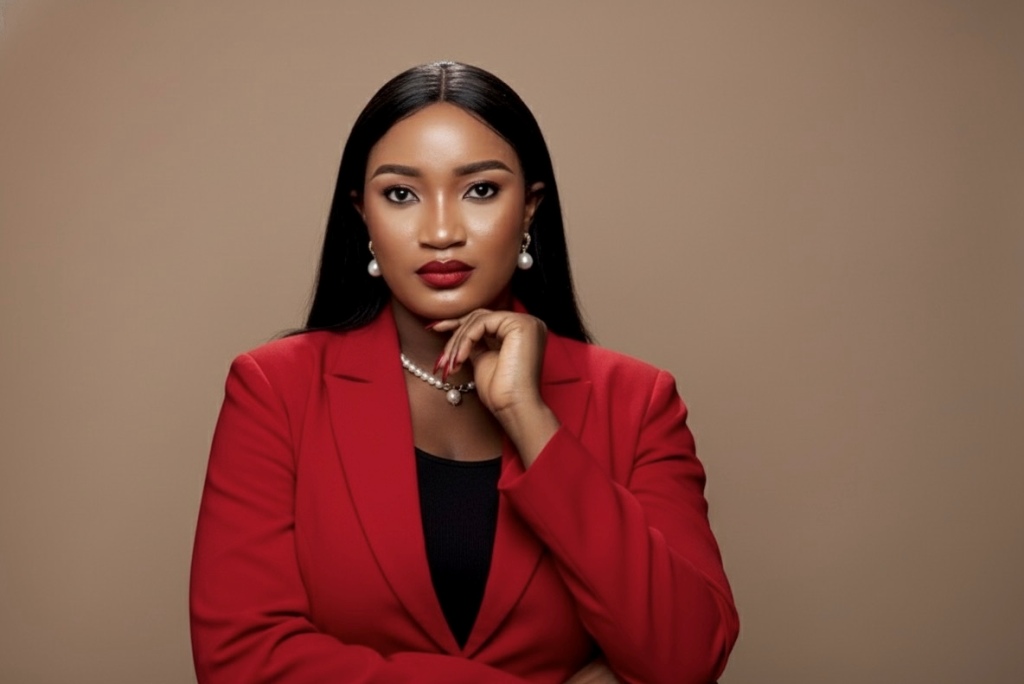
Abisola Rachael Aderohunmu is a strategic senior product manager and AI-driven digital product leader with extensive experience building and scaling high-impact solutions across fintech, healthtech, and HR technology.
She currently leads AI product strategy at BorderlessHR, driving innovation across BorderlessHR.com and InterviewHQ.ai, where she built and launched the globally adopted AI-powered interview simulation platform that improves recruiter efficiency by 40% and enhances hiring accuracy.
Previously, she shaped fintech adoption at Fundall, delivering measurable gains in onboarding, virtual card retention, and product-led growth, and contributed to digital health and micro-insurance expansion at Heala Tech through AI-enabled and user-centered product initiatives. With a background spanning HR tech, financial services, health insurance technology, and early work in digital learning and games development, Abisola combines technical fluency, ethical AI leadership, and strong execution to build scalable products that improve user trust, experience, and business performance.
She holds a Bachelor of Technology in Microbiology with multiple global product and AI certifications and is also an active mentor committed to empowering the next generation of African product leaders.