

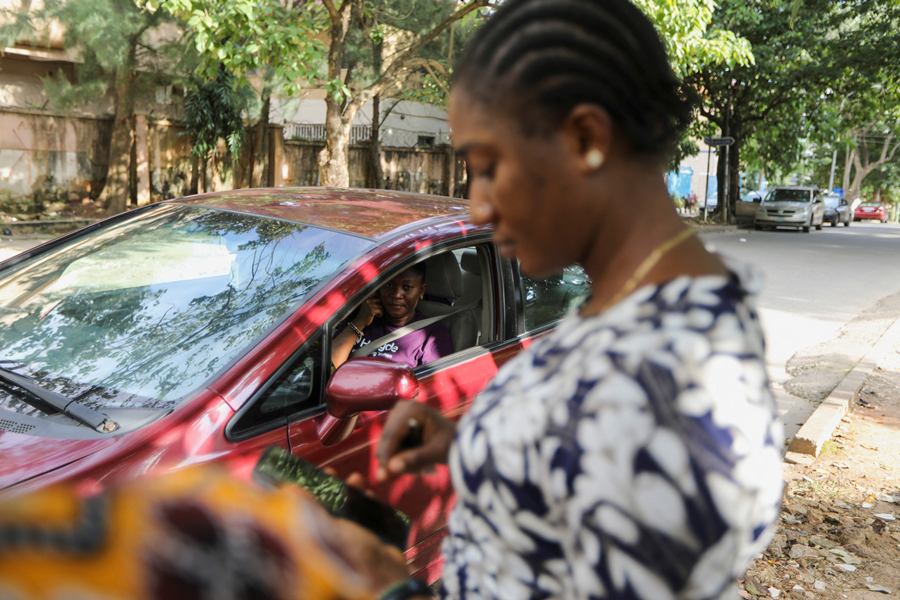
Nigeria’s ride-hailing market in 2025 was one of the most dynamic and closely watched sectors in the country’s digital economy.
A report by P+ Measurement Services looked at thousands of news stories across print and online media, demonstrating that corporate reputation had become a decisive business asset.
This usually carries more weight in stakeholder perception than short-term revenue performance or market penetration.
The report examined five leading players in the e-hailing sector:
- inDrive Nigeria,
- Bolt Nigeria,
- LagRide,
- Uber Nigeria, and
- Rida.
Its main finding was that how platforms managed driver relations, commission structures, service reliability, and public communication had a far greater influence on media portrayal and public trust than rider-only innovations.
The five major reputation drivers in the e-hailing sector during 2025 were:
Driver Commission Policies as Reputation Catalysts
The single most powerful reputation signal in 2025 was how platforms adjusted (or failed to adjust) commission rates during a year of severe cost-of-living increases.
InDrive Nigeria has the highest positive reputation share (39%) largely because of sustained media coverage of its decision to reduce driver commission to 0.1% during peak hours in Abuja.
This policy was repeatedly framed in news reports as a direct response to drivers’ rising operational costs (fuel, maintenance, data bundles).
This generated months of favourable business and labour-focused coverage. On the flipside, platforms that implemented fare cuts without meaningful commission relief faced immediate backlash.
From the findings, a single well-timed, driver-friendly adjustment could generate significantly more positive media volume than multiple rider promotions.
Sustainability Initiatives Boosting Visibility
Investments in electric mobility and green infrastructure became an important secondary source of positive reputation.
Bolt Nigeria earned 32% positive share primarily through extensive reporting on its electric tricycle (keke) deployment program in Nigeria’s economic epicentre and commercial nerve, Lagos state.
This initiative was presented as both environmentally progressive and economically pragmatic given rising fuel costs.
LagRide secured 17% positive coverage through announcements of partnerships to expand electric vehicle charging infrastructure.
These stories appeared consistently in business, technology, and environment sections, helping to position the brands as forward-thinking in a market increasingly sensitive to sustainability messaging.

Platforms that did not announce or execute visible green initiatives received almost no comparable positive lift from this theme as the green energy.
Labour Disputes and Strike Threats Eroding Trust
Negative reputation was overwhelmingly driven by labour unrest. Bolt recorded the highest negative share at 40%.
This was entirely attributable to repeated waves of driver protests and strike actions following fare reduction policies that many viewed as unsustainable.
Uber followed with 29% negative coverage. This was linked to delayed payouts, earnings compression, and platform reliability complaints during high-demand periods.
Even inDrive, despite its strong positive performance, attracted 20% negative share from isolated strike threats and earnings dissatisfaction stories in secondary cities.
The pattern was a result of unresolved or poorly communicated labour conflicts, which produced rapid, high-volume negative media cycles that overshadowed other operational achievements.
Platform Reliability Influencing Stakeholder Judgments
Service consistency, particularly during peak demand hours, emerged as a baseline expectation rather than a differentiator.
The other challenges faced, according to the report, are frequent downtime, GPS inaccuracies, payment failures, or surge pricing controversies, which triggered negative coverage even for brands otherwise performing well on other fronts.
LagRide and Rida recorded the lowest negative shares (8% and 3% respectively), partly because they experienced fewer large-scale service disruption reports and maintained smaller operational footprints.
However, the sector faced growing scrutiny over safety incidents, response times during emergencies, and overall platform stability. Media increasingly linked reliability failures to broader questions of trust and long-term viability.
Rider Experience Versus Driver Equity Balance
The most important structural insight from 2025 was the inseparability of rider satisfaction and driver welfare in media narratives.
Stories that framed fare reductions as “good for riders, bad for drivers” quickly gained traction, often leading to opinion viewpoints questioning the long-term sustainability of the business model.
Brands that appeared to systematically prioritise one stakeholder group over the other suffered reputational fragmentation and loss in revenue transactions.
Platforms that managed to communicate a visible balance through transparent pricing explanations, driver support programs, or public commitments to both affordability and fair earnings were far more likely to maintain balanced reputation profiles across positive and negative coverage.
The 2025 data shows that reputation in Nigeria’s e-hailing sector is now built (and destroyed) primarily through measurable actions rather than messaging.
As economic pressures persist and regulatory attention on gig-economy labour practices increases, platforms will need to treat driver economics, service reliability, and transparent communication as core strategic priorities rather than tactical adjustments.
In a media ecosystem where every policy change and protest is permanently archived and searchable, the ability to demonstrate fairness and consistency across stakeholder groups will remain the most reliable path to sustained public trust going forward.