


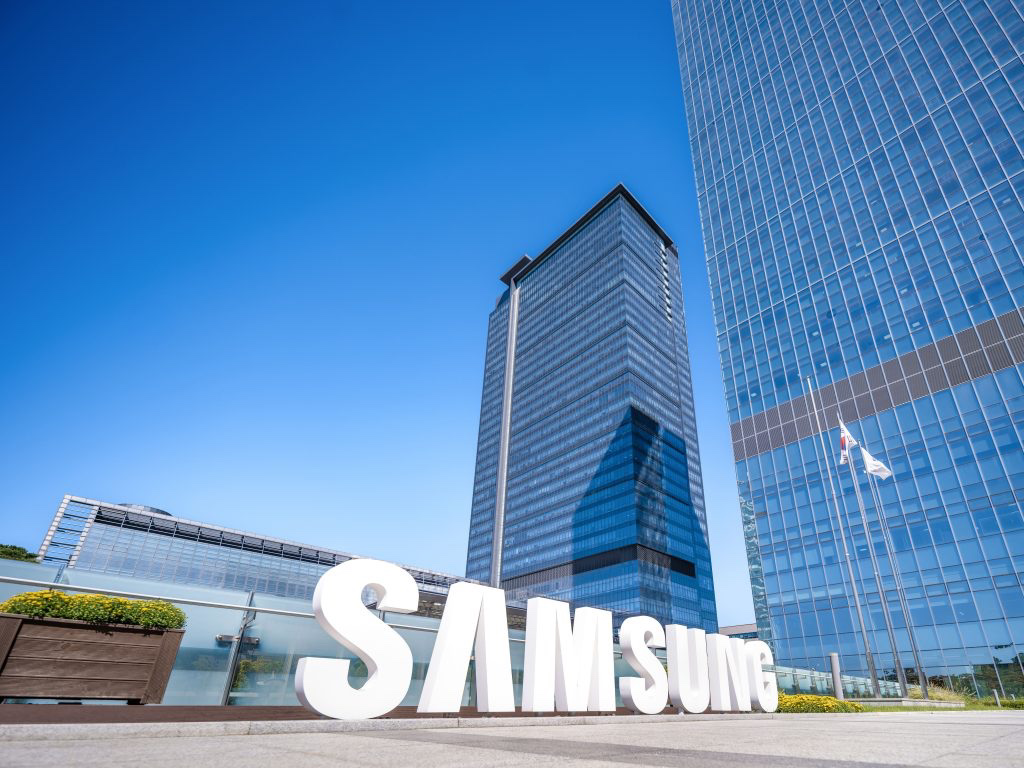
Samsung Electronics closed the final quarter of 2025 with a profit surge driven by its chip business, as high demand for advanced memory boosted supply across the industry and pushed prices up.
The South Korean group reported operating profit of 20 trillion won for the October–December period, more than triple the level recorded a year earlier. Almost all the increase came from semiconductors.
Profit at the chip division jumped to a record 16.4 trillion won, accounting for more than four-fifths of total earnings, while quarterly revenue climbed 24% to an all-time high of 93.8 trillion won.
What we are seeing is a market stretched by the rush to build large-scale computing infrastructure. Demand for memory used in data centres has overtaken supply, and Samsung is benefiting from that imbalance.
Management said the pressure is unlikely to ease soon, warning that shortages are expected to persist as expansion plans remain limited through 2026 and 2027.
“A significant shortage of memory products across the board is expected to continue for the time being,” Kim Jaejune told analysts during the company’s earnings call.
The flip side of that success is showing up elsewhere in the group. Higher memory prices are feeding directly into costs for Samsung’s mobile and display units. Mobile operating profit fell 10% to 1.9 trillion won in the quarter, even as smartphone shipments remained stable.
The company said the year ahead would be difficult for those businesses as they struggle to protect margins.

“Memory price increases are expected to accelerate this quarter and are likely to give surprise earnings, while the memory cost burden will intensify on its mobile business,” said Sohn In-joon of Heungkuk Securities.
Samsung’s display arm revealed a profit which more than doubled to 2 trillion won, supported by strong sales linked to Apple’s latest iPhone line-up, but executives cautioned that customers are already pushing back against higher component costs.
At the centre of the boom is high-bandwidth memory, a specialised chip used in advanced servers. Samsung confirmed it has begun producing its next-generation HBM4 chips and plans to start shipping them in February at the request of a major customer.
The company said all of its HBM capacity for this year has already been secured, with revenue from the segment expected to more than triple.
Rival SK Hynix is still the top supplier in the HBM market, particularly to Nvidia, and said it is moving ahead with large-scale production of its own next-generation chips after posting record quarterly profit.
Across the industry, manufacturers are moving capacity away from conventional memory used in consumer devices towards more lucrative products for servers, tightening supply further and strengthening pricing power.
“They’re in the enviable position of being able to dictate price, terms, etc more than ever,” said Tobey Gonnerman of Fusion Worldwide.
Samsung shares slipped 1.2% after the profit results, as investors are concerned about increasing expenses outside the chip unit.