



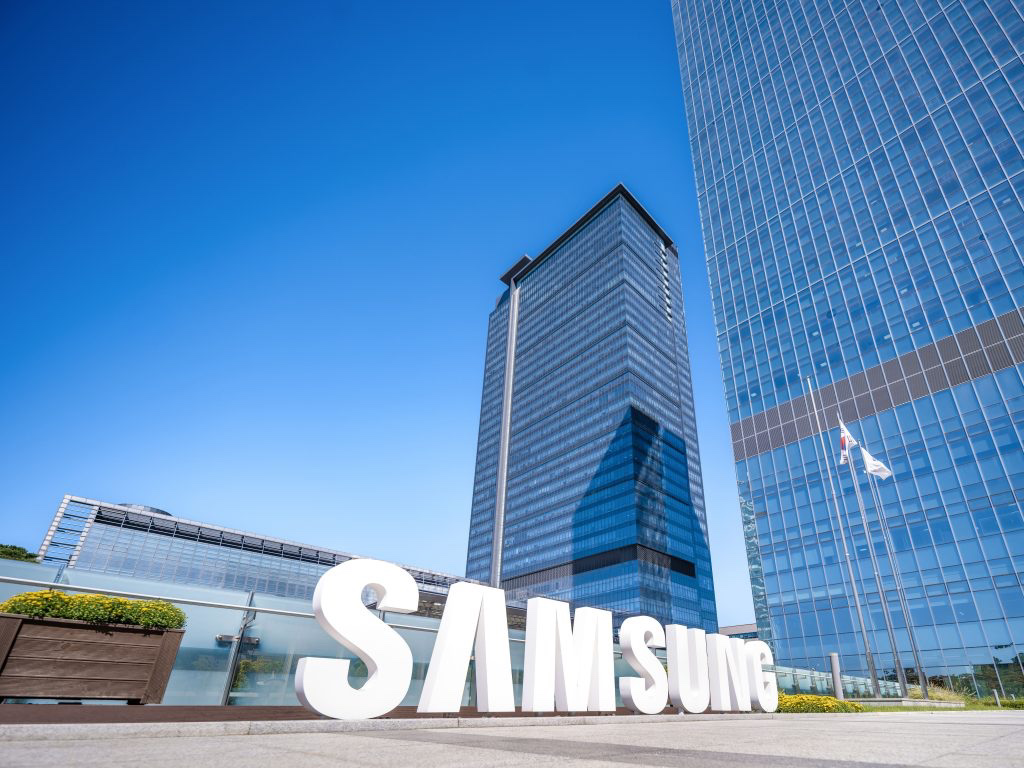
Samsung Electronics is expected to report a surge in profit for the first quarter (Q1), driven by strong demand and increasing prices for memory chips.
Reports say the company could post operating profit of about 40.5 trillion won ($26.8 billion) for January to March.
That would be six times higher than the same period last year and close to its full-year earnings for 2025. Revenue is also seen going up by about 50%.
Some forecasts go even higher. Analysts at Citigroup expect profit to reach 51 trillion won, above the market estimate.
The profits come as memory chip prices increase. Data from TrendForce shows DRAM contract prices doubled in the first quarter compared with the previous quarter. They are expected to grow by another 58% to 63% in the second quarter.
Demand is being driven by heavy spending on artificial intelligence infrastructure. Large technology firms are investing heavily in data centres, increasing the need for high-performance memory chips. One analyst described the current market as unusually strong.
“You couldn’t ask for things to be better,” said Ko Yeongmin, analyst at Daol Investment & Securities.
Even so, investors are monitoring developments outside the company. The conflict in the Middle East has pushed up energy prices and could affect supplies of key materials used in chip production.
There are concerns that higher prices may force technology companies to slow spending on AI projects.

At the same time, there are early signs that spot prices for DRAM chips have eased in recent weeks. Higher prices for smartphones and computers are beginning to affect consumer demand.
New technology is also adding pressure. Google recently introduced a memory-saving system called TurboQuant, which could reduce the amount of memory needed for some AI workloads.
These issues have weighed on the stock as shares in Samsung Electronics have fallen about 14% since late February, when the conflict began. However, the stock is still up 50% since the start of the year.
Some experts believe the recent slowdown in prices will not last.
“We have seen a cooling (in memory chip spot prices) over the last 3-4 weeks, yes. We do believe it’s temporary,” said Tobey Gonnerman, president of Fusion Worldwide. “The demand and backlog remain strong.”
Samsung is still the world’s largest memory chipmaker, with about 40% of the DRAM market and around 35% of NAND flash. Its semiconductor division accounts for more than 70% of total profit, making it the company’s main source of earnings.
The company is also strengthening its focus on AI. It recently agreed to work with Nvidia to produce AI inference processors.
Outside chips, performance is predicted to be weaker. Analysts say Samsung’s contract chip manufacturing business is likely to remain loss-making as it competes with TSMC.
Meanwhile, profits from smartphones and display panels could fall by about half due to high component expenses and stronger competition.
There are also labour concerns at home. Workers in South Korea have called for changes to pay and bonuses and have warned of possible strike action in May.