

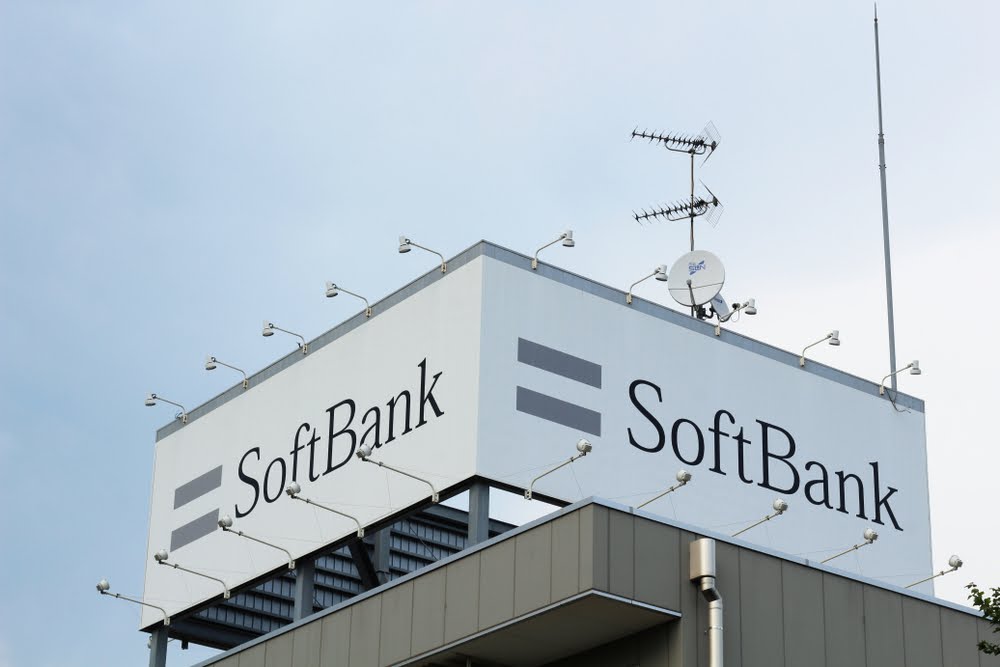
SoftBank has completed a $41 billion investment in OpenAI, securing an 11% stake in one of the largest private funding rounds in technology history.
The deal places the Japanese group among the company’s most influential outside backers at a time when demand for advanced computing power is increasing.
Masayoshi Son, SoftBank founder, has pushed capital into OpenAI through a mix of direct funding and syndicated co-investment, spreading part of the risk to other investors while keeping strategic control close.
Of the total sum, $22.5 billion was completed this week, following an earlier $7.5 billion injection in April. Other backers contributed an additional $11 billion through the syndicated structure.
The transaction raises OpenAI’s valuation far beyond where it stood earlier this year. In March, the business was priced at about $300 billion on a post-money basis.
By October, a secondary share sale had pushed that figure to around $500 billion, according to PitchBook. That instantaneous re-rating shows how quickly expectations have changed across the sector.
Only days earlier, SoftBank agreed to buy DigitalBridge Group for $4 billion, adding a major digital infrastructure investor to its portfolio.

Taken together, the two deals point to a deliberate strategy which includes control of the software platforms driving computing, while also owning the physical backbone that keeps them running.
Son has previously described artificial intelligence as the “axis of global technology markets”, and this latest move reveals that belief in concrete financial terms.
OpenAI now sits at the centre of an initiative to build capacity at huge scale. The company is working with Oracle and other partners on Project Stargate, a multi-year data-centre programme designed to support more powerful models and heavier workloads.
The initiative is expected to cost tens of billions of dollars and ranks among the most ambitious infrastructure efforts the industry has seen.
Across global markets, competition for computing resources has strengthened. Large technology firms are committing vast sums to secure long-term access to data centres, specialised chips and energy supply.
SoftBank’s wager is similar to that of competitors, but the size of its commitment differs from those typically associated with sovereign wealth funds.
Despite the scale of the spending, SoftBank has said its financial policies stand unchanged, including its approach to leverage and cash management.