

ADVERTISEMENT
Tuesday, June 16, 2026
Tech | Business | Economy
No Result
View All Result
  • Technology
    • Trends
    • Telecoms
      • Broadband
    • ConsumerTech
      • Gadgets and Appliances
      • Apps
      • Accessories
      • Reviews
      • Unboxing
    • EnterpriseTECH
    • Security & Data Protection
    • How To
  • Business
    • Company News
    • StartUPs
      • Founder’s Story
      • Funding
    • Deals
    • People & Moves
    • SME & Entrepreneur Focus
    • BUSINESS SENSE FOR SMEs
    • Competition & Market Positioning
    • Commerce & Mobility
    • Travel
    • WomenPreneurs
  • Economy
    • Macroeconomic Trends
      • Macro Monday
      • TE Insights
    • Finance
      • Banks
      • Fintech
      • Insurance
      • Digital Assets
      • Personal Finance
    • Policies
      • Tech & Society
    • Market Analysis
    • Jobs & Workforce Economy
  • Features
    • Guest Writer
      • Chidiverse
      • Digital Assets
      • GameTech
    • EventDIARY
    • IndustryINFLUENCERS
    • MarkTECH
    • TBS
    • NewsEXTRA
  • Editorial
  • Brand Content
  • TECHECONOMY TV
Tuesday, June 16, 2026
Tech | Business | Economy
No Result
View All Result
Tech | Business | Economy
No Result
View All Result

Home » SoftBank Launches OpenAI-Built Cybersecurity Service to Detect, Fix System Weaknesses Before Exploits

SoftBank Launches OpenAI-Built Cybersecurity Service to Detect, Fix System Weaknesses Before Exploits

Joan Aimuengheuwa by Joan Aimuengheuwa
June 16, 2026
in EnterpriseTECH
Reading Time: 2 mins read
0
SoftBank OpenAI cybersecurity service

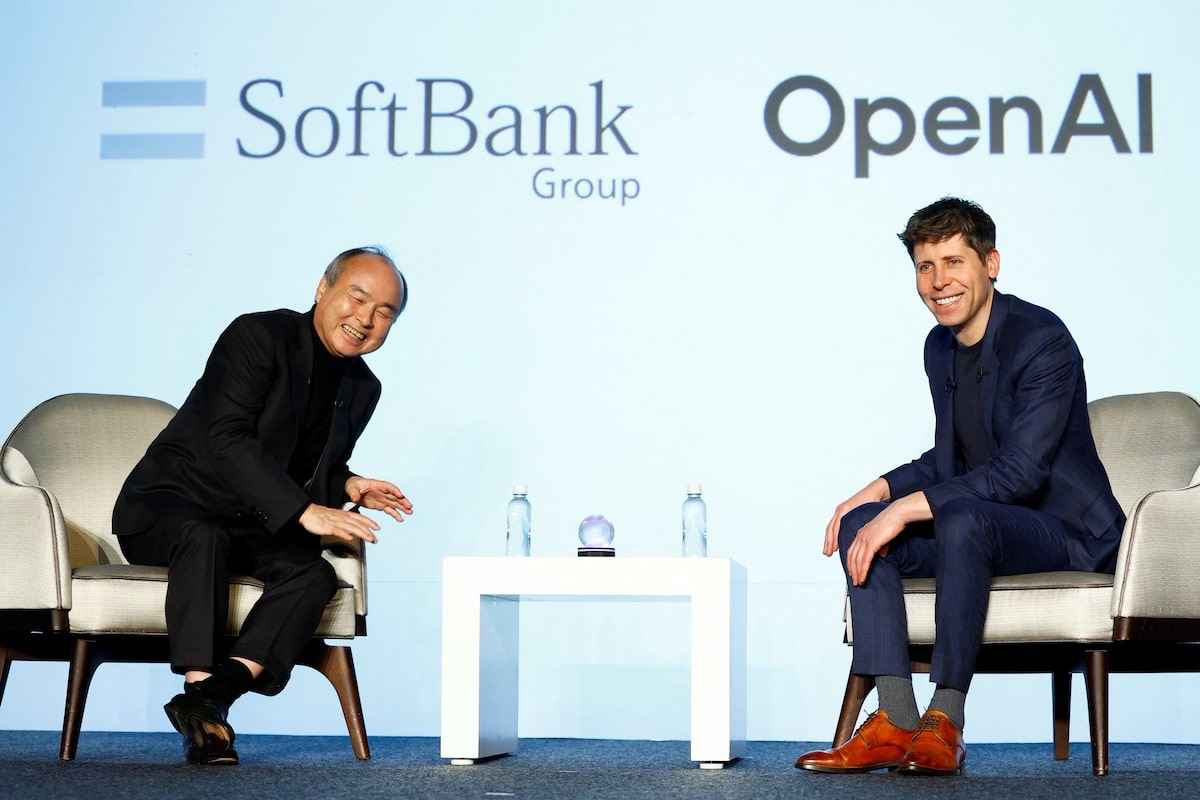
SoftBank CEO Masayoshi Son and OpenAl CEO Sam Altman

SoftBank Group has launched a new cybersecurity service built with OpenAI to help organisations detect and fix system weaknesses before they are exploited.

The product, called “Patching as a Service,” will be provided in Japan through a joint venture between SoftBank’s telecoms arm, SoftBank Corp, and OpenAI.

It focuses on vulnerability assessments, planning fixes, and advising companies on how to apply them.

SoftBank says it will first target selected firms linked to critical infrastructure. These include organisations whose systems support essential public and business services. Outreach to those companies will begin gradually.

Cybersecurity risks have been increasing as attackers utilise artificial intelligence to speed up and scale breaches. SoftBank says this has made it harder for organisations to keep systems secure, especially when threats change quickly and affect multiple layers of infrastructure.

The company tested the system internally before the rollout. During that phase, SoftBank Corp carried out a large vulnerability assessment across its own systems using OpenAI’s cybersecurity tools.

It said the exercise helped identify weaknesses and gave its security teams practical experience that now feeds into the commercial service.

SoftBank Group Chairman and CEO Masayoshi Son said, “We want to create a system where we will be able to ‌defend ⁠critical Japanese infrastructure,”

“We want to leverage the new weapon of OpenAI to defend, we ⁠see this as our obligation,” Son added.

Junichi Miyakawa, president and CEO of SoftBank Corp, said the company would apply lessons from its internal testing to external clients.

“Leveraging the practical expertise we’ve acquired through our use of OpenAI’s cybersecurity technologies, we’ll confront the increasingly sophisticated cyber threats targeting Japan’s critical infrastructure.”

OpenAI CEO Sam Altman said, “AI is transforming cybersecurity, and we’re focused on building durable programs that help it accelerate defenders. We’re excited to work with SoftBank to deliver the transformational benefits of our cyber models to more organisations in Japan and strengthen the systems all of us rely on.”

SoftBank said the cybersecurity service combines the models of OpenAI with its own operational experience in managing large-scale telecom and enterprise systems. It believes this mix will help organisations move from detection to action more quickly, rather than reacting after breaches occur.

The rollout will start with a small team of around 50 people working on deployment and support. That figure is expected to grow to about 1,000 as demand increases and the service expands across more sectors in Japan.


0Shares
Previous Post

Africa’s Largest Bank Backs Dangote Refinery IPO

Next Post

PawaPay Hits Three Billion Mobile Money Transactions as Daily Volume Doubles

Joan Aimuengheuwa

Joan Aimuengheuwa

Joan thrives at helping individuals and businesses scale via storytelling...

Related Posts

Microsoft sued by shareholders

Microsoft Sued by Shareholders Over Azure Slowdown, AI Spending Disclosures

June 16, 2026
AVEVA Day Nigeria

AVEVA Targets Nigeria as Africa’s Digital Transformation Hub, Plans University Partnerships, Local Talent Drive

June 15, 2026

Zoho Corporation Unveils Nathu La, a Designed-in-House Server, in a Move Towards Technological Sovereignty

June 12, 2026
Load More
Next Post
PawaPay Mobile Money Transactions

PawaPay Hits Three Billion Mobile Money Transactions as Daily Volume Doubles

Leave a Reply Cancel reply

Your email address will not be published. Required fields are marked *

I agree to the Terms & Conditions and Privacy Policy.

This site uses Akismet to reduce spam. Learn how your comment data is processed.

TECHECONOMY YOUTUBE CHANNEL

  • About Us
  • Careers
  • Contact Us
  • Privacy Policy

© 2026 TECHECONOMY.

No Result
View All Result
  • Technology
  • Business
  • Economy
  • Features
  • Editorial
  • Brand Content
  • TECHECONOMY TV

© 2026 TECHECONOMY.

This website uses cookies. By continuing to use this website you are giving consent to cookies being used. Visit our Privacy and Cookie Policy.

