
Power has always been a problem in Nigeria’s tech sector. You can build a solid product, hire good people, and still lose work time because the light went off. Anyone who has worked in a startup office in Lagos knows this.
Meetings stop, systems reboot, someone runs downstairs to check if the generator has fuel.
The national grid doesn’t fail once in a while, it fails often. In early 2026, it went down repeatedly within weeks. That followed months of outages in 2025 and several collapses the year before.
For tech companies that depend on constant uptime, those interruptions add up so fast.
Generators used to be the fallback. Most offices had one by default. That option is no longer cheap or reliable. Fuel prices have skyrocketed, spare parts cost more, and maintenance never ends. On top of that, the noise and fumes make long workdays harder than they should be.
Because of this, many tech teams have started looking elsewhere for power they can actually depend on.
Why Solar Became the Best Backup for Tech
As fossil fuels become more expensive and less practical, solar power has stepped in as a smarter, cleaner, and more reliable alternative.
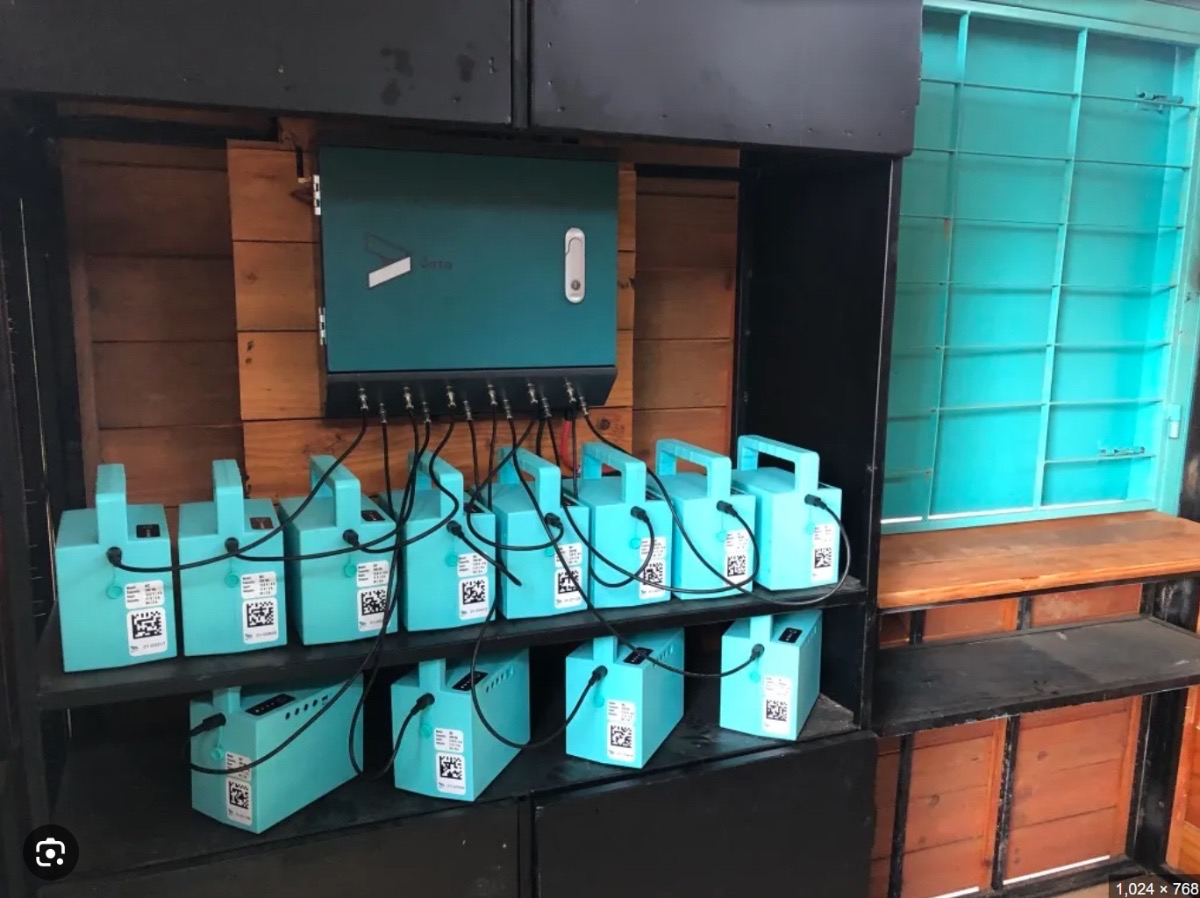
The costs of solar power packages such as panels, inverters, and batteries have dropped significantly in Nigeria because of cheaper imports, local supply growth, and more competition among vendors in the growing market.
Solar systems with batteries provide clean, quiet energy without the uncomfortable noise of generators. When looking at cost, they cost far less per unit of power (between N85–N150/kWh) when compared to grid rates (N220–N270/kWh), or fossil-fueled generators.
For tech operations that need constant uptime, like coding, cloud services, or online platforms, solar energy setups are smarter choices than the noisy, fuel-hungry generators or Nigeria’s unreliable electricity supply system.
They offer a steady supply during outages, reduce carbon footprint, and align with global sustainability goals that attract foreign investors.
Where Solar is Already Powering the Ecosystem
Massive adoption of solar energy is already visible across Nigeria’s tech ecosystem. Across Lagos and Abuja, many co-working spaces and tech hubs now depend on solar power to stay open.
Places like CcHUB and Leadspace, especially around Yaba and Victoria Island, no longer shut down work because the light went out.
The internet stays on, air conditioners keep running, and people keep working, even when the rest of the area is in darkness.
The same thing is happening inside fintech offices, call centres, and corporate teams that cannot afford downtime. Solar systems help them get through busy work hours without stopping transactions, delaying paperwork, or losing contact with customers.
Telecom companies have also moved in this direction. More base stations and internet infrastructure now run on solar, particularly in areas where grid power is weak or unreliable. It’s one of the few ways to keep networks stable in places the national grid doesn’t consistently reach.
Solar’s Role in Reducing Startup Operating Costs
By cutting energy costs, which is a major expense for tech businesses, solar energy directly improves profitability.
Reliable power means higher uptime, fewer hours lost, and higher productivity. Teams can focus more on building and maintaining their products instead of managing generators or dealing with unpredictable power outages.
Some tech hubs and offices can now run 12 to 16 hours daily because of solar power, or even go fully off-grid in cases like certain Lagos-based offices such as Sterling Towers.
This improves scalability as startups can expand their servers, hire more remote developers, or launch new features without worrying about the next blackout.
Also, tech startups that implement solar energy solutions have a competitive advantage because investor confidence relies on execution speed and solar frees up capital for growth rather than endless fuel bills.
Enabling Remote Work and Digital Services
The reliability of solar energy also supports Nigeria’s growing remote work culture. Freelancers, developers, and remote teams in different cities can stay connected without fear of sudden disruptions because of blackouts.
Solar-powered home offices let individuals run their laptops, internet routers, home lights, and even small servers steadily, enabling more participation in software exports, outsourcing gigs, and online services.
To an extent, it levels the playing field, allowing more Nigerians, especially in deprived areas, to join the global digital economy from anywhere and contribute to skill exports and job creation in the tech space.
Local Solar Innovation Meets Local Tech Needs
Home-grown innovation also plays a big role in the adoption of solar energy. Nigerian solar startups and installers, such as Arnergy which raised $18 million to help Nigerians dump generators, and SunFi which also got $2 million in funding are good indicators that the solar energy market is growing and gaining more investors.
Nigeria is currently the second-largest importer of solar energy solutions in Africa, with over 1721 megawatts imported in the first half of 2025. Also, the market is projected to grow from 3.13 GW in 2024 to 5.01 GW by 2029.
These positive trends indicate that solar energy will gain more adoption, and local innovations are important to ensure the market is not dependent on imports.
These startups offer smart inverters with monitoring apps that can track energy usage in real time through smartphones, helping tech teams optimise power for servers and devices.
Pay-as-you-go or flexible financing models also make solar setups more affordable for individuals, startups, and SMEs because it spreads costs over time instead of requiring large upfront payments.
Challenges Slowing Wider Solar Adoption
Despite the progress, there are still challenges involved. High initial costs, worsened by forex volatility for imported parts such as panels, inverters, and batteries, deter some adopters despite falling prices.
Also, fake or low-quality panels are now more rampant in the market, leading to poor performance, quick failures, and reduced trust. These issues slow down adoption as frustrated users spread negative experiences.
Poor installations add extra risks, such as system inefficiencies or safety hazards. Limited government incentives, inconsistent policies, and infrastructure gaps like weak grid integration for hybrids further slow down the adoption of solar energy solutions even as the demand increases.
Thus,
Looking at the next 3–5 years, hybrid setups that combine grid, solar, and batteries could become the standard for tech companies. Solar will evolve from just power backup to a core part of digital infrastructure, supporting expanding data centres, AI tools, cloud services, and general fintech growth.
In the end, solar power works quietly behind the scenes as an important enabler of Nigeria’s complex digital economy. It powers the servers and connects the teams even when the grid collapses.
For founders building the next big app specially made for Nigerians, investors looking for opportunities, and policymakers creating new regulations, embracing this off-grid solution could define the success of Nigeria’s tech ecosystem in the coming years.