

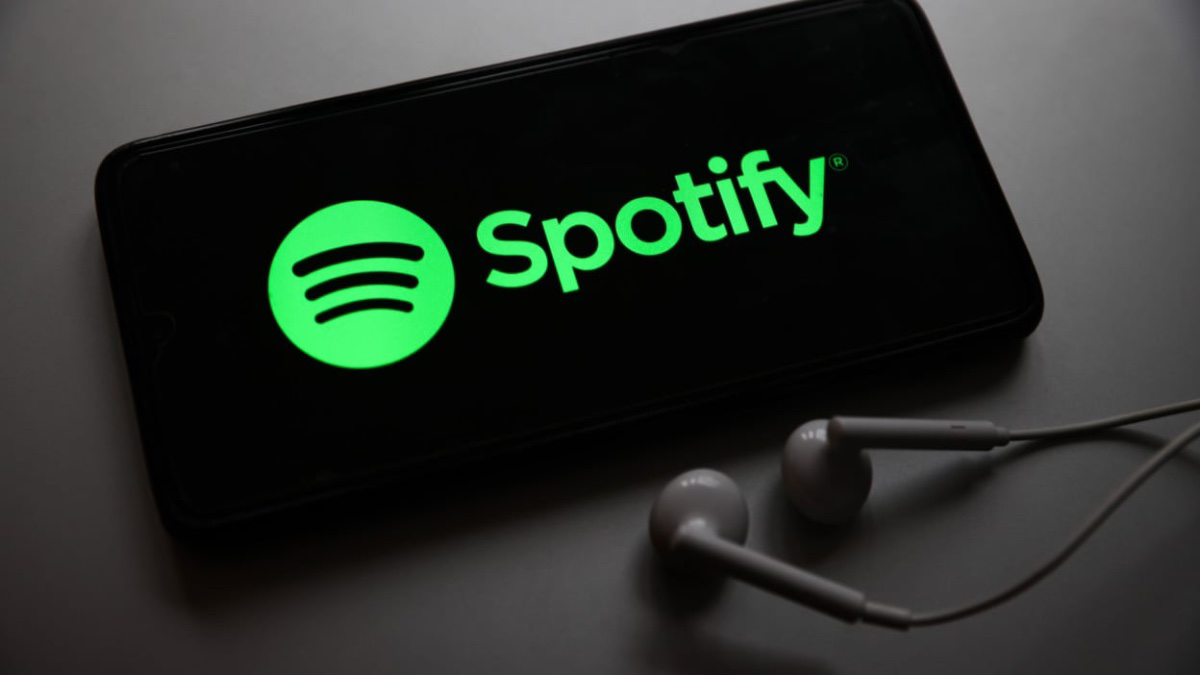
Spotify has made it easier for podcasters to make money on its platform, reducing the eligibility criteria for its video monetisation programme, as it expands its focus on video and creator-led content.
The streaming company now allows creators to qualify with just three published episodes, 2,000 hours of consumption over the past 30 days, and 1,000 engaged audience members in the same period.
A year ago, the bar was far higher, with 12 episodes, 10,000 hours of consumption, and at least 2,000 listeners in 30 days. But now, Spotify wants more creators, faster growth, and more video on the platform.
Under the programme, podcasters on Spotify can earn in two main ways. They receive a share of advertising revenue from users on Spotify’s free tier, and video creators are paid directly when premium subscribers watch their shows without ads.
It is a model designed to reward engagement, not just reach, and it leans heavily on video as the next growth engine.
Spotify says the strategy is already changing how people use the app. “Since launching the program, monthly video podcast consumption on Spotify has nearly doubled,” said Roman Wasenmuller, Spotify’s global head of podcast, during a media briefing. “The average Spotify podcast user streams twice as many video shows per month as they did before the launch.”
YouTube tops the video podcasts space, Netflix owns premium video, and Spotify is trying to sit somewhere between both. Lowering the thresholds brings in smaller and mid-sized creators who may have been locked out before, especially those producing niche or long-tail content.

The company is also rolling out new sponsorship tools in April. These will let creators manage host-read ads more easily, from scheduling and updating placements to tracking performance. The tools will be available through the Spotify for Creators app and Megaphone, its podcast hosting and monetisation service.
Beyond in-app changes, Spotify is opening up its ecosystem. A new application programming interface will allow creators to publish and monetise video podcasts on Spotify directly from third-party hosting platforms.
At launch, services such as Acast, Audioboom, Libsyn, Omny and Podigee have adopted the API. This is important because it removes limitations. Creators no longer need to rebuild their workflow just to earn on Spotify.
The development is backed by money and scale. Spotify says it has invested more than $10 billion in the podcast industry over the past five years, covering creator payments, infrastructure and tools.
In the first quarter of 2025 alone, payouts to podcasters reached $100 million. By late 2025, the platform hosted close to 500,000 video podcasts, double the number recorded in mid-2024. About 390 million users streamed video podcasts that year, a 54% rise year on year, with time spent on video more than doubling.
Physical infrastructure is part of the plan too. In January 2026, Spotify opened Sycamore Studios in West Hollywood, a video-first podcast studio that will serve as a base for The Ringer network and be available to selected creators in the partner programme.
The company already runs studios in Los Angeles’ Arts District, New York, Stockholm and London, offering professional spaces without the cost of private rentals.