


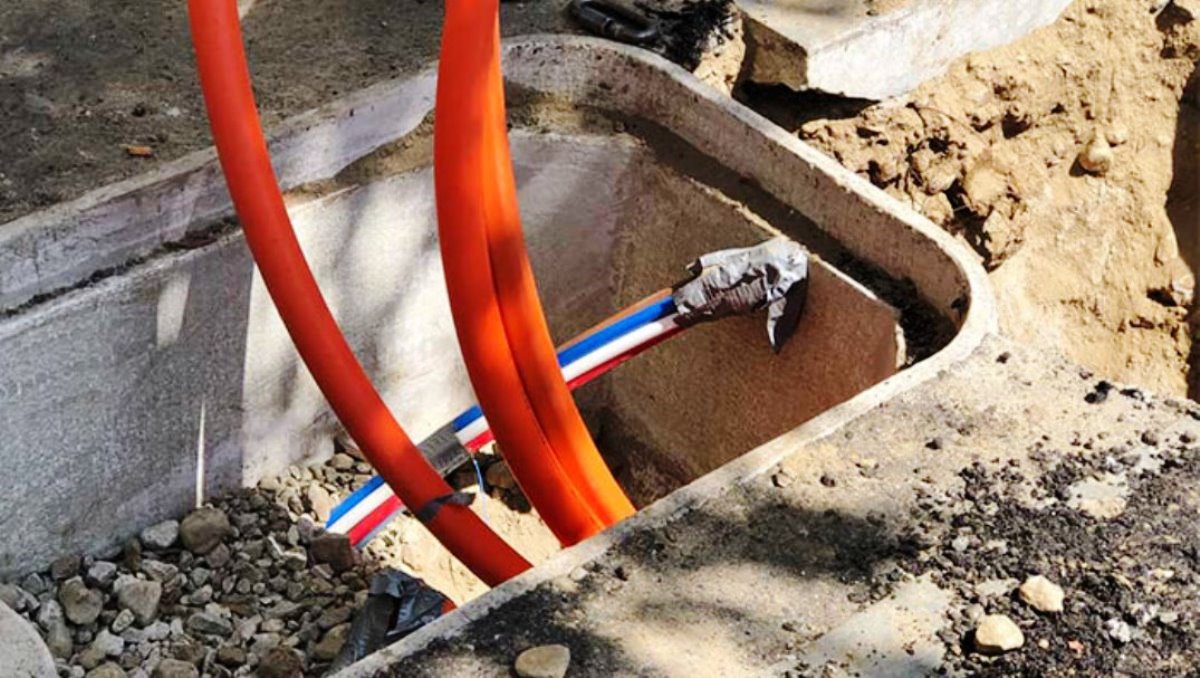
Nigeria’s telecommunications sector recorded an alarming 5,934 fibre cuts between January and March 2026, exposing the growing vulnerability of the country’s digital infrastructure and intensifying calls for stronger protection of telecom assets classified as Critical National Information Infrastructure (CNII).
Data obtained by Techeconomy from the Nigerian Communications Commission (NCC) network outage portal showed that the incidents, averaging about 65 fibre cuts daily, disrupted voice, SMS, broadband, enterprise connectivity, fintech operations and digital services across several states during the first quarter of the year.
The figures translate to nearly 1,978 fibre cuts monthly and about 495 weekly, highlighting what industry stakeholders now describe as one of the biggest operational threats facing Nigeria’s digital economy.
Major operators affected during the period included MTN Nigeria, Airtel Nigeria, 9mobile, FibreOne, Tizeti, Layer3, Equinix, Broadband Communications Network (BCN), and other infrastructure providers.
The outages were largely linked to road construction activities, accidental cable damage, vandalism, excavation works, bush burning and infrastructure theft.
Industry analysts say the scale of the disruptions underscores the urgent need for stronger implementation of Nigeria’s Critical National Information Infrastructure protection framework, especially as the country accelerates broadband expansion, 5G rollout and digital public infrastructure initiatives.
Telecom Infrastructure under Pressure
For telecom operators, fibre infrastructure serves as the backbone of modern connectivity, supporting mobile networks, internet services, cloud computing, banking platforms, enterprise systems, government digital services and emerging technologies such as artificial intelligence.
A single fibre cut can trigger cascading service failures affecting financial transactions, ATMs, hospitals, logistics systems, security infrastructure and millions of digital users simultaneously.
The recurring incidents are increasingly raising concerns among businesses already battling unstable power supply, rising operating costs and growing dependence on digital platforms.
Several of the most severe outages recorded in Q1 2026 lasted beyond 24 hours, while some network disruptions stretched into days and weeks, particularly in areas affected by ongoing construction activities.
Abuja, Lagos, Kano, Rivers, Kaduna, Enugu, Borno, Taraba, Anambra and Akwa Ibom were among states most affected by fibre-related outages during the quarter.
Why the NCC’s CNI Push Matters
The latest figures strengthen ongoing efforts by the NCC and industry stakeholders to secure telecom assets under Nigeria’s Critical National Information Infrastructure framework.
President Bola Tinubu had earlier signed an Executive Order designating telecommunications infrastructure as Critical National Information Infrastructure, giving telecom assets similar national importance status as oil pipelines, power infrastructure and security installations.
The designation was expected to reduce vandalism, improve coordination around infrastructure projects and strengthen enforcement against deliberate destruction of telecom facilities.
However, operators say implementation remains weak, particularly around road construction projects where fibre cables are frequently damaged during excavation works.
Telecom companies have repeatedly complained about poor coordination between contractors, state agencies and infrastructure operators, leading to repeated service disruptions and rising maintenance costs.
Industry executives estimate that operators spend billions of naira annually repairing damaged fibre infrastructure, resources that could otherwise be invested in network expansion, rural broadband deployment and service quality improvements.
Digital Economy at Risk
As stated by Dr. Aminu Maida, EVC/CEO of NCC as a recent workshop for judges, the fibre cuts crisis is emerging at a critical period for Nigeria’s digital economy ambitions.

The Federal Government continues to push for deeper broadband penetration, fintech expansion, digital identity systems, e-government services and artificial intelligence adoption, all of which depend heavily on stable telecom infrastructure.
Analysts warn that unless telecom infrastructure protection becomes fully integrated into national infrastructure planning, Nigeria risks undermining its digital transformation goals.
Repeated outages also threaten investor confidence within the telecommunications sector at a time operators are already contending with forex volatility, inflation, diesel costs and increasing capital expenditure requirements.
For businesses and consumers, however, the impact remains immediate: dropped calls, failed online transactions, slower internet speeds, interrupted digital services and prolonged downtime.
Industry stakeholders are therefore advocating stronger enforcement of CNII protection measures, adoption of “dig-once” policies during road construction, improved collaboration between government agencies and telecom operators, and stiffer penalties for vandalism and negligent infrastructure damage.
As Nigeria’s economy becomes increasingly digitised, experts say fibre infrastructure can no longer be treated as ordinary telecom equipment.
Instead, it is now viewed as strategic national infrastructure critical to economic productivity, financial stability, security and digital inclusion.



