


As the clock ticks toward January 1, 2026, the atmosphere in Nigeria’s financial corridors is thick with tension.
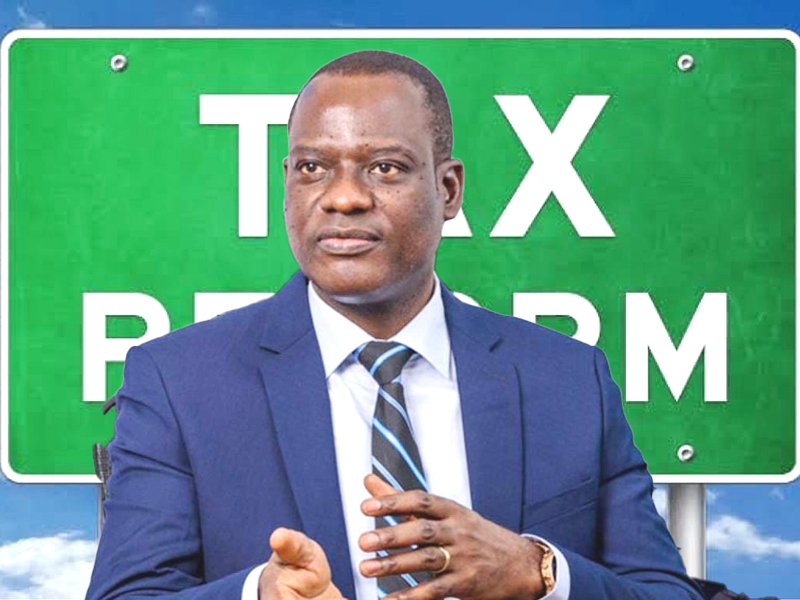
At the center of the storm stands Taiwo Oyedele, the Chairman of the Presidential Committee on Fiscal Policy and Tax Reforms.
For two and a half years, Oyedele has been the lead architect of a massive legislative overhaul, working with a team of over a hundred patriots to repair a broken social contract.
But as the “go-live” date approaches, he finds himself doing more than just explaining policy, he is fighting a war against misinformation.
The Paper Trail of Confusion
The controversy erupted when claims surfaced that the tax laws signed by the President were not the same ones passed by the National Assembly.
Critics pointed to discrepancies, fueling a narrative of executive overreach or clerical sabotage. Oyedele, however, remains the calm eye of the hurricane.
”Trust is at the heart of the social contract,” he says, leaning into the gravity of the moment.
He explains that his team implemented a rigorous process to avoid the “version confusion” that plagued previous laws like the Petroleum Industry Bill.
But he offers a startling clarification: The “evidence” of discrepancy being circulated online is largely fake.

“What has been circulating is actually fake,” Oyedele warns. “I saw a reference to a 20% deposit requirement in those materials. I know for a fact that provision is not in the final gazette. Someone decided to write the committee’s report before the committee even met.”
A System of Manual Shadows
If there are errors, Oyedele argues, they aren’t the result of a conspiracy, but of a fragile, manual system.
He paints a picture of a legislative process held together by “manual hand-offs.” From lawmakers making notes in chambers to the Ministry of Justice formatting the final document for the President, and finally to the Ministry of Information for gazetting, each step is a hurdle where a human error can slip through.
“It’s not about finger-pointing,” Oyedele insists. “It’s about making our legislative process as tamper-proof as the way we print our currency or ballot papers.”
The Human Cost of Delay
For Oyedele, the calls to suspend the law are not just a setback for the government, they are a threat to the average Nigerian worker.
He issues a stark warning: 98% of workers will bear the brunt if these laws are derailed.
The reforms were designed with a singular focus:
- Harmonizing messy tax structures.
- Reducing the burden on struggling businesses.
- Eliminating taxes for low-income earners.
While the “Taxman” waits for the official findings of the House of Representatives investigation, his message is clear: Nigeria cannot afford to let procedural noise drown out the music of reform.
The goal isn’t just to pass a law; it’s to build a system where the “Next Billion” can thrive without being suffocated by the very state that should protect them.