


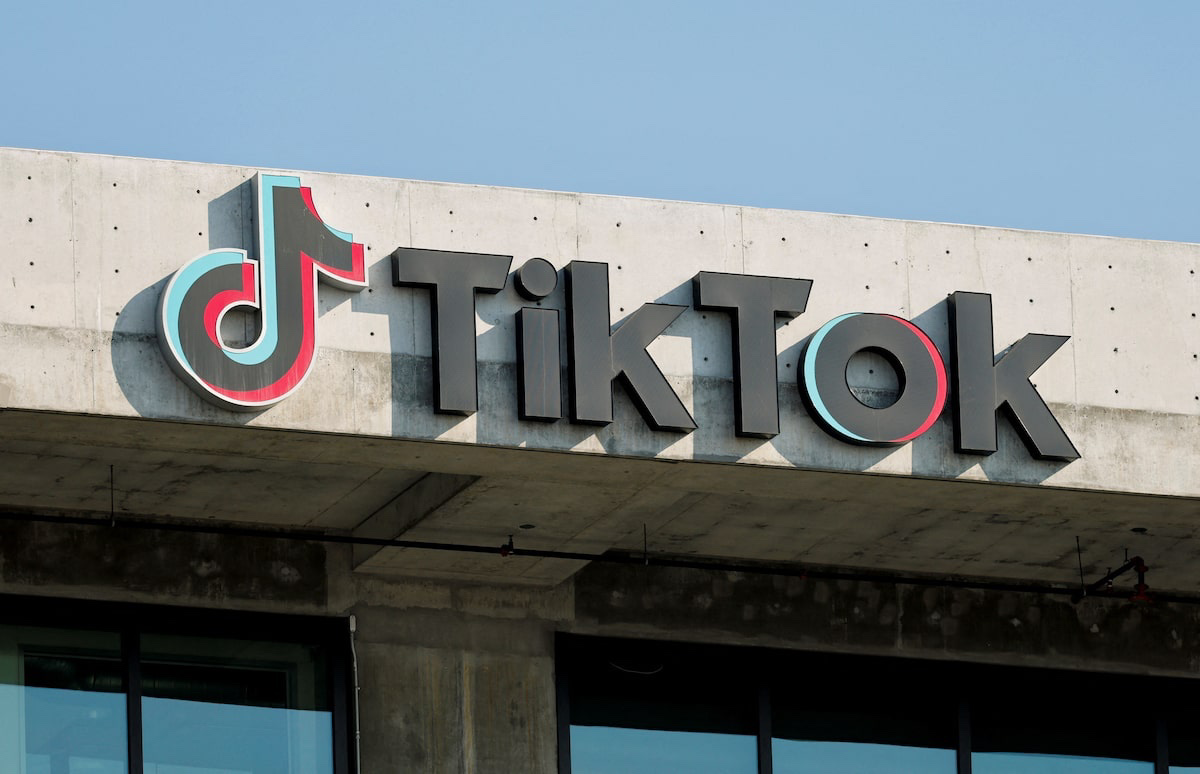
TikTok is seeking licence approval to offer payments services in Brazil, according to two people familiar with the matter.
The platform, owned by ByteDance, has applied to Brazil’s central bank for two licences that would allow it to operate as a payments and lending company. The people told Reuters the plans are confidential and asked not to be named.
One of the licences would permit TikTok to act as an electronic money issuer. That would allow users to hold balances, receive funds and make payments within the app.
The second would enable it to operate as a direct credit company, meaning it could lend its own funds or connect borrowers with lenders, but not take deposits.
If regulators approve the applications, TikTok could begin offering basic financial services in one of the world’s most active digital banking markets.
Brazil has seen strong growth in fintech, with firms such as Nubank, Banco Inter, PicPayand Mercado Pago competing for users across payments and lending.
TikTok has not responded to requests for comment. Brazil’s central bank also declined to comment.

Still, there are signs the company is moving ahead with its plans. Executives from ByteDance, including payments head Liao Baohua, met central bank governor Gabriel Galipolo in Brasília in March 2026, according to his public schedule.
It is not yet clear whether TikTok intends to roll out a full set of financial products or focus on supporting transactions tied to content and e-commerce on its platform.
The company has taken similar steps elsewhere. In China, ByteDance launched its own payment service in 2021 to support shopping within its apps, competing with established platforms like Alipay and WeChat Pay.
In Indonesia, it pursued a payments licence in 2023 but was later blocked from handling transactions directly, forcing it to work with local partners.
Brazil has one of the highest rates of social media use globally, and TikTok already has a vast audience there, easing its new focus if the payments licence is approved.
By late 2025, the platform had about 131 million adult users in the country, with advertising reaching 80% of that population, according to DataReportal.
The company has also shown a long-term commitment to the market. It said last year it would invest more than 200 billion reais, or about $38.4 billion, in a data centre in Brazil.
Regulators have encouraged competition in financial services but still keep a close watch on new entrants, especially foreign firms handling payments and user data.