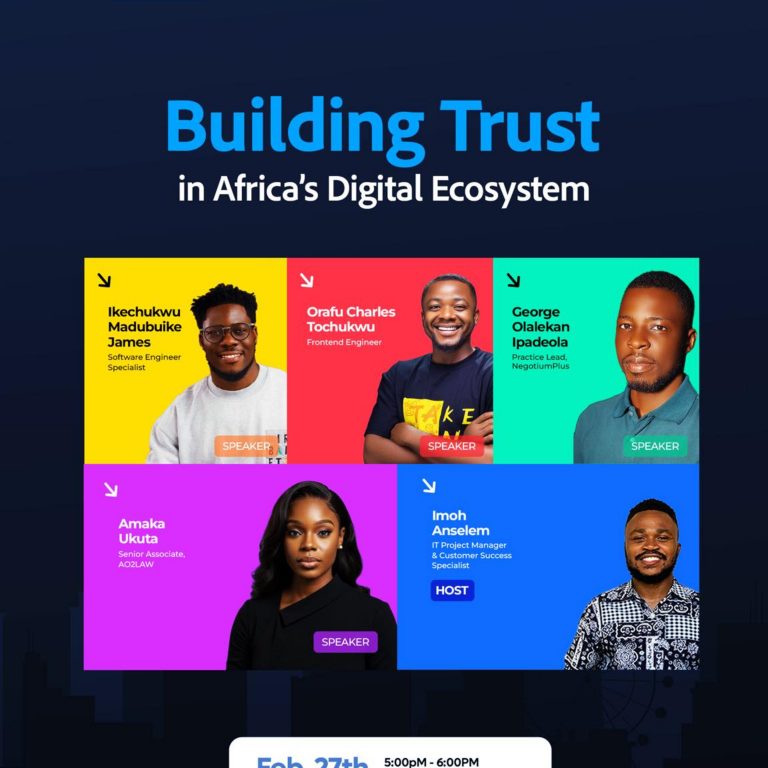




Nigerian startups need to move from “growth-at-all-costs” approaches to sustainable, efficiency-driven operations to succeed in a maturing but unpredictable economic environment.
The focus should be on leveraging local insights to solve structural problems, integrating AI thoughtfully, strengthening cybersecurity, and staying aligned with regulations to build trust.
In 2025, Nigerian startups raised $343 million, down 17% from 2024 due to economic uncertainty and currency volatility.
Despite this decline, projections indicate the digital economy could reach $18.3 billion by 2026, fueled by fintech and AI adoption.
Industry forecasts estimate Nigeria’s digital economy will nearly double, from $9.97 billion in 2021 to $18.3 billion by 2026, as AI, cloud services, fintech, and nationwide connectivity mature.
For founders, the focus must move from speculative growth to targeted innovation.
Here are four key tactics grounded in recent trends:
1. Integrate AI for Operational Efficiency
Startups should embed AI tools like ChatGPT, Gemini AI, and GitHub Copilot to improve productivity.

In 2025, AI-driven lending platforms boosted output amid a 70% surge in the fintech sector despite economic challenges. In 2026, using AI for data analytics will become even more critical.
2. Invest in Talent Upskilling
Regularly training staff in emerging technologies is essential. With the ecosystem growing 5.4% in 2025, skill gaps in AI and data privacy must be addressed.
Early 2026 Google search data shows a rising interest in self-improvement and tech training among Nigerian professionals.
3. Prioritise Sustainable and ESG Practices
Environmental, Social, and Governance (ESG) strategies measure sustainability, ethical impact, and risk management beyond profits. Startups should reduce environmental footprints, drive strong employee and community relations, and maintain transparent governance.
The 2026 Africa Shared Value & ESG Summit in Lagos highlights the growing importance of eco-friendly business models.
Agritech startups incorporating sustainability, for example, could attract 20% more funding. ESG practices enhance long-term resilience in Nigeria’s volatile market.
4. Foster Strategic Partnerships
Collaboration drives growth, especially in a funding-constrained environment. Lagos, ranked 70th globally for startup activity, shows that partnerships with established firms can scale operations effectively.
In 2024, over 2,000 startups leveraged networks to raise $400 million, demonstrating the power of strategic alliances.
Adopting these tactics will enable Nigerian startups to position themselves for a funding rebound and long-term resilience, focusing on sustainability and efficiency rather than rapid expansion.