


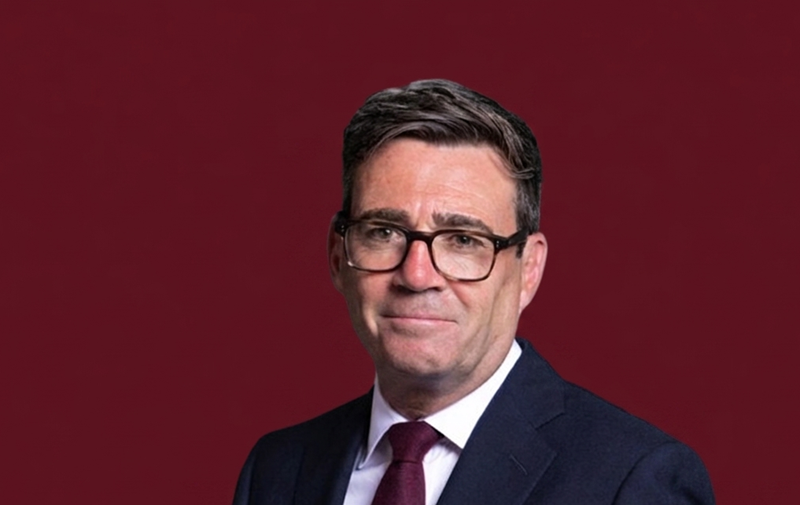
British Prime Minister Andy Burnham on Tuesday announced his first major tax cut and carried out a sweeping cabinet reshuffle, seeking to stamp his authority on a new government a day after taking office and promising to ease pressure from the country’s cost-of-living crisis.
Burnham said his government would remove value-added tax (VAT) from domestic electricity bills from Oct. 1, a measure expected to save households about 45 pounds ($61) a year. The policy will be funded by scrapping a planned digital identity programme, which the government said would save about 1.8 billion pounds.
The announcement formed part of Burnham’s pledge to lead a “cost-of-living government” focused on delivering immediate relief to households grappling with high living costs.
Burnham also reshaped his cabinet, replacing several senior ministers associated with his predecessor, Keir Starmer, in one of the most significant overhauls of the government in recent years. Former defence minister John Healey was appointed finance minister, while Wes Streeting became defence secretary and Ed Miliband was named foreign secretary. Angela Rayner took over the housing portfolio.
At his first cabinet meeting, Burnham urged ministers to adopt a “one-team approach” and said his administration would prioritise reducing living costs, revitalising industry and tackling homelessness, while maintaining fiscal discipline.
Financial markets reacted calmly to Healey’s appointment, with investors viewing him as a fiscally cautious choice despite concerns that Burnham’s broader spending plans could eventually require higher borrowing or future tax increases.
Analysts said the VAT cut would provide only modest financial relief for households and questioned whether it would offset expected increases in energy costs later in the year. Critics also challenged the government’s funding plans, arguing that the cancelled digital identity scheme had not been fully financed.
Burnham has pledged to adhere to Britain’s fiscal rules while introducing further measures to address affordability, with additional policy announcements expected ahead of the government’s next budget.



