ADVERTISEMENT
Friday, June 12, 2026
Tech | Business | Economy
No Result
View All Result
  • Technology
    • Trends
    • Telecoms
      • Broadband
    • ConsumerTech
      • Gadgets and Appliances
      • Apps
      • Accessories
      • Reviews
      • Unboxing
    • EnterpriseTECH
    • Security & Data Protection
    • How To
  • Business
    • Company News
    • StartUPs
      • Founder’s Story
      • Funding
    • Deals
    • People & Moves
    • SME & Entrepreneur Focus
    • BUSINESS SENSE FOR SMEs
    • Competition & Market Positioning
    • Commerce & Mobility
    • Travel
    • WomenPreneurs
  • Economy
    • Macroeconomic Trends
      • Macro Monday
      • TE Insights
    • Finance
      • Banks
      • Fintech
      • Insurance
      • Digital Assets
      • Personal Finance
    • Policies
      • Tech & Society
    • Market Analysis
    • Jobs & Workforce Economy
  • Features
    • Guest Writer
      • Chidiverse
      • Digital Assets
      • GameTech
    • EventDIARY
    • IndustryINFLUENCERS
    • MarkTECH
    • TBS
    • NewsEXTRA
  • Editorial
  • Brand Content
  • TECHECONOMY TV
Friday, June 12, 2026
Tech | Business | Economy
No Result
View All Result
Tech | Business | Economy
No Result
View All Result

USSD Debt: How 13 Banks Remitted N171bn to Telcos

Staff Writer by Staff Writer
June 23, 2025
in Finance
Reading Time: 3 mins read
0
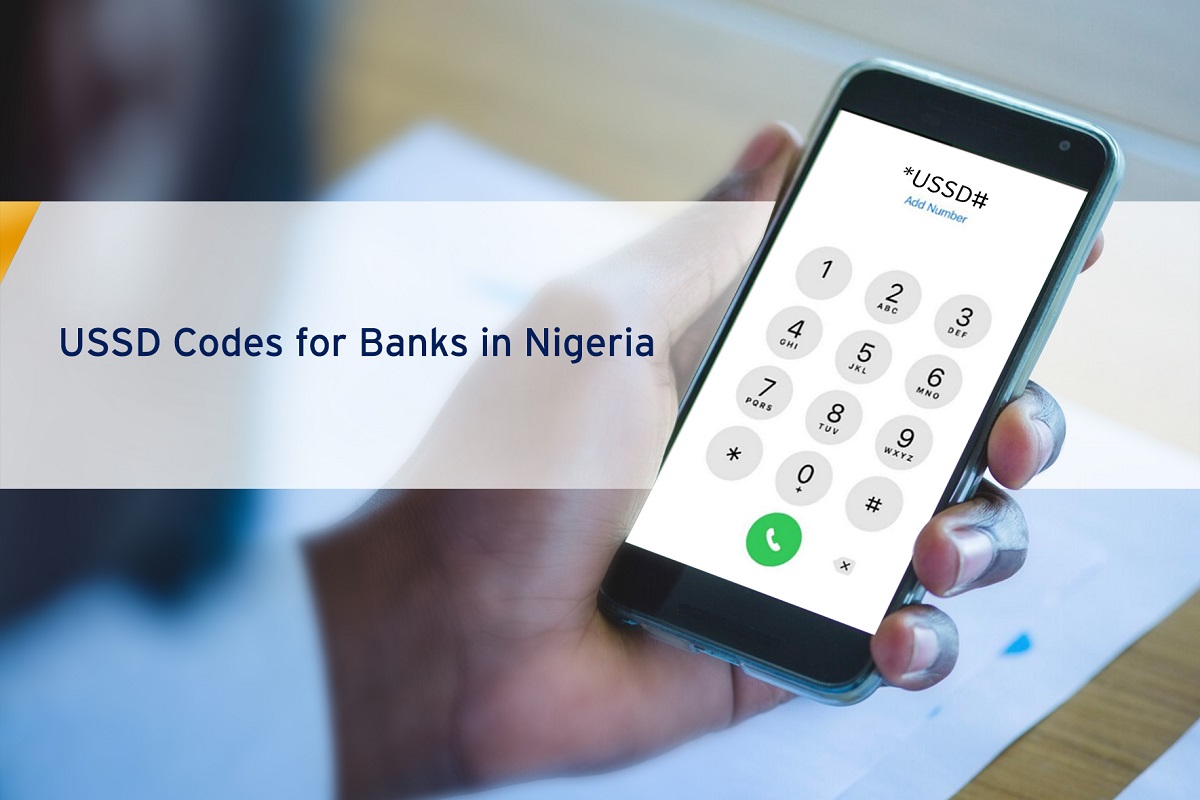
USSD Debt by banks to MNOs

Disconnect USSD to banks, NCC grants MNOs

Sixteen commercial banks in Nigeria are on the verge of clearing the age-long bills to telecommunications companies for Unstructured Supplementary Service Data (USSD) services.

The amount totaling N180 billion had generated a lot of controversies as the telcos accused these banks of deliberately withholding the same sum.

However, Techeconomy can report that 13 banks have now cleared N171 billion out of the N180 billion they collectively owned telcos, representing 95 per cent of the total debt.

With the resolution of the long-standing dispute, telecom operators have now fully commenced the implementation of End-User Billing (EUB), which shifts USSD service charges directly to users’ airtime balances instead of bank accounts.

According to the telcos, 13 out of 16 banks with outstanding debts have now fully paid, while three others are completing their final installment payments; only one of the original 18 banks was not involved in the pre-Application Programming Interface (API) debt, and another, was declared insolvent.

Subscribe to our Telegram channel for the latest updates.

Follow the latest developments with instant alerts on breaking news, top stories, and trending headlines.

Join Channel

This was confirmed by Engineer Gbenga Adebayo, chairman, Association of Licensed Telecom Operators of Nigeria (ALTON), who said,

“We have recovered about 95 per cent of the outstanding debt,” noting that this significant repayment has paved the way for the full rollout of end-user billing.

Speaking during a webinar stakeholders’ meeting, titled: “Ask the Exec: USSD end-user billing”, Adebayo said that under the new regime, customers will no longer be billed through their bank accounts for USSD transactions, adding that the N6.98 per 120 seconds charge will now be deducted directly from users’ airtime balances, ushering in a more transparent and standardised billing system.

The transition comes on the heels of long-standing tension between banks and telcos over unpaid USSD service debts.

As of January, banks were owing telecom operators N180 billion, primarily accrued before the introduction of a standardised API that gave banks better control over their USSD platforms.

Under the new End-user Billing model, telcos no longer rely on the banks for customer billing. Instead, when a customer initiates a USSD transaction, a consent message will appear informing them of the airtime deduction.

Upon approval, the telco verifies the bank’s availability through a USSD aggregator before establishing the connection and applying the charge.

This process ensures users are only billed for successful and verifiable service access.

“We are just the transport medium. Think of it as taking a taxi to the bank. The driver doesn’t know what happens inside the bank, their job is to get you there safely,” Adebayo explained.

To enhance user experience and transparency, error messages have now been unified across all telecom operators, providing consistent updates on whether a failed transaction was caused by the bank, telco, or other intermediaries.

While all root USSD codes will now attract charges, Adebayo clarified that direct strings for airtime and data purchases have been zero-rated. This means customers who use these long-form codes will not incur any deductions from their airtime for such transactions, he affirmed.

“We will be communicating with customers to encourage the use of direct strings for airtime and data purchases, which remain completely free of charge,” Adebayo noted.

While migration to end-user billing is ongoing, Adebayo confirmed that banks still have the option to remain on corporate billing, provided they meet their financial obligations and maintain consistent payments.

“We are not shutting anyone out. But any institution that chooses to stay with corporate billing must clear their debts and commit to timely settlements,” Adebayo clarified.

As to whether this EUB will further add financial burden on Nigerians, Lynda Saint-Nwafor, chief enterprise business officer, MTN Nigeria, said, “The customers were already paying for this. The only difference now is that rather than deduct it from your bank account, it will be deducted from your airtime,” stressing that the shift does not increase costs for consumers.

0Shares
Previous Post

Qore Group Appoints Michael Hoodfar as COO to Lead 16x Revenue Growth Strategy

Next Post

Betting on Survival: The Economics Behind Nigeria’s Gambling Surge

Staff Writer

Staff Writer

Related Posts

Yellow Card in Fortune Crypto Innovators list | co-founders

Fortune Names Yellow Card among Top Global Crypto Innovators

June 11, 2026
Dangote Refinery valuation, private placement demand

Dangote Refinery Valued at $39.1bn as $1bn Share Sale Draws Strong Investor Demand

June 11, 2026

How a Regular Savings Culture Can Support Long-Term Financial Stability 

June 10, 2026
Load More
Next Post
Betting on Survival

Betting on Survival: The Economics Behind Nigeria’s Gambling Surge

Leave a Reply Cancel reply

Your email address will not be published. Required fields are marked *

I agree to the Terms & Conditions and Privacy Policy.

This site uses Akismet to reduce spam. Learn how your comment data is processed.

Techeconomy Podcast
Techeconomy Podcast

The Techeconomy Podcast is a thought-leadership show exploring the powerful intersection of technology, business, and the economy, with a strong focus on Africa’s fast-evolving digital landscape.

Financing the Future: Venture Debt, Local Capital & African Innovation | TBS May 2026 Webinar
byTecheconomy

Africa’s innovation ecosystem is evolving, but where will the funding for the next generation of startups come from?

In this edition of the Techeconomy Business Series (TBS) May 2026, industry experts explore how local capital, venture debt, and smarter investment structures are redefining startup growth and innovation across Africa.

🎙️ Featured Speakers:

* Ebunoluwa Ashley-Dejo

* Damilare Davola

* Success Ajilore (STN & Accelerated Plus)

Key conversations in this webinar include:

✔️ The future of startup financing in Africa

✔️ Venture debt and alternative funding models

✔️ The role of local investors in scaling innovation

✔️ Sustainable investment strategies for African startups

✔️ Opportunities and challenges in the African tech ecosystem

Subscribe for more conversations shaping Africa’s digital economy and innovation landscape.

#TBS2026 #AfricanInnovation #VentureDebt #StartupFinance #TechInAfrica #Techeconomy #AfricanStartups #InnovationEconomy

Financing the Future: Venture Debt, Local Capital & African Innovation | TBS May 2026 Webinar
May 27, 2026
Techeconomy
PROTECTING INNOVATION IN AFRICA’S STARTUP ECOSYSTEM
April 29, 2026
Techeconomy
BUILDING TRUST IN AFRICA ECOSYSTEM
February 27, 2026
Techeconomy
Navigating a Career in Tech Sales
January 29, 2026
Techeconomy
How Technology is Transforming Education, Health, and Business
November 27, 2025
Techeconomy
Search Results placeholder
MTN Live It 100 Thematic Campaign
ADVERTISEMENT
  • About Us
  • Careers
  • Contact Us
  • Privacy Policy

© 2026 TECHECONOMY.

No Result
View All Result
  • Technology
  • Business
  • Economy
  • Features
  • Editorial
  • Brand Content
  • TECHECONOMY TV

© 2026 TECHECONOMY.

This website uses cookies. By continuing to use this website you are giving consent to cookies being used. Visit our Privacy and Cookie Policy.