


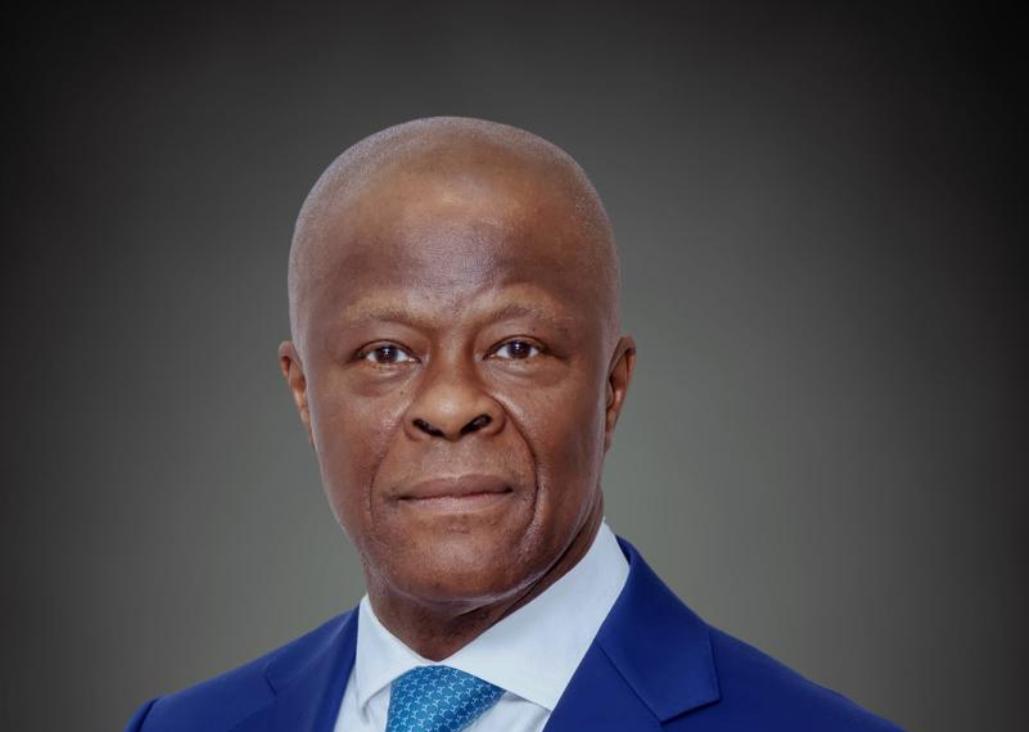
In a strong signal of fiscal discipline and project delivery, the Federal Government of Nigeria achieved 85 per cent execution of its capital expenditure allocation for the 2024 fiscal year, underscoring progress in budget implementation and broader economic reforms, Wale Edun, the minister of Finance and Coordinating Minister of the Economy, announced on Thursday.
Speaking at the Nigeria Economic Summit Group (NESG) 2026 Macroeconomic Outlook launch in Lagos, Edun said the high execution rate reflected enhanced transparency, improved public financial management, and a deliberate policy focus on completing ongoing infrastructure projects rather than leaving them unfinished.
“In aggregate, capital expenditure in 2024 reached 85 per cent performance,” Edun said, noting that the National Assembly extended the implementation period of the 2024 budget, allowing critical road, energy, housing, and social infrastructure projects to be seen through to advanced stages.
The minister emphasised that while capital spending in 2025 is expected to be lower as part of a consolidation strategy amid fiscal constraints, statutory obligations including foreign and domestic debt servicing and salary payments were fully met, reflecting prudent management of limited resources.
Edun described the performance as part of a broader agenda to position Nigeria as a competitive economy regionally and globally, stressing the importance of sustained capital investment to lower the cost of capital, improve electricity supply, expand mortgage financing, and accelerate infrastructure development.
The high execution rate comes as the government projects economic growth of about 4.68 per cent in 2026, aligned with medium-term goals of achieving seven per cent annual growth and building a $1-trillion economy by the end of the decade.
IMF Urges Continued Reform
At the same event, the International Monetary Fund (IMF) cautioned against policy reversals that could undermine hard-won macroeconomic gains.

Dr Christian Ebeke, IMF country representative, highlighted ongoing risks such as persistent double-digit inflation and warned that government intervention in price and volume controls could weaken confidence and fiscal stability.
Banking Sector’s Role in Growth
Dr Muhammad Abdullahi, Central Bank of Nigeria’s (CBN) deputy governor for Economic Policy, said the banking sector’s recapitalisation programme aims to create a more resilient financial system capable of supporting Nigeria’s ambition to scale its economy and deliver productive credit to small and medium-sized enterprises (SMEs) and other growth-critical sectors.
Business and Investment Implications
For the business community and investors, the reported capital expenditure execution demonstrates several positive signals:
- Fiscal discipline and budget credibility: High execution suggests the government is following through on planned projects, reducing the risk of abandoned investments.
- Infrastructure delivery: Greater capital deployment may ease business bottlenecks, particularly in power, transportation, and housing sectors.
- Investor confidence: Combined with projected growth and structural reforms, the emphasis on completing priority projects may enhance Nigeria’s attractiveness to domestic and foreign capital.
However, some economists have raised questions about the tangible economic impact of the capital spending, pointing to delays in fund disbursement and the pace at which project benefits reach the wider economy.
Still, government officials maintain that the focus on execution and fiscal reforms lays the groundwork for more inclusive and sustainable growth, with the 2026 budget branded as one of consolidation, renewed resilience and shared prosperity.
As Nigeria navigates global headwinds and domestic priorities, the ability to sustain strong capital spending outcomes alongside macroeconomic stability will remain central to achieving long-term competitiveness and economic transformation.