


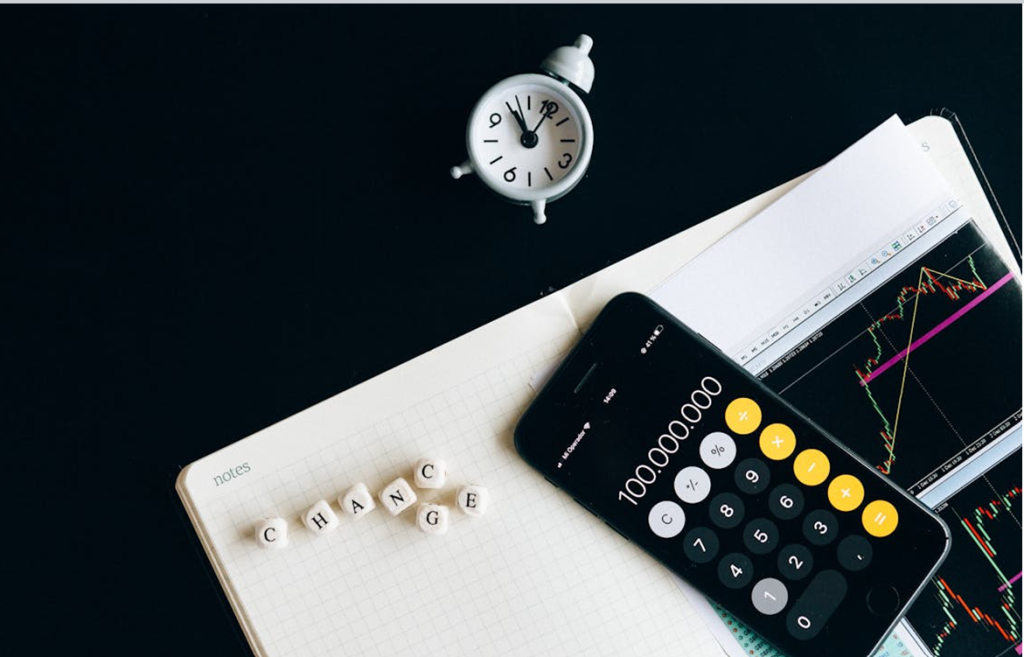
Seeing those red and green bars moving across a screen looks intense. Maybe you have a friend who claims they figured it all out, or you saw an ad promising easy money.
It is tempting to jump in with both feet. But hold on a second.
The currency market is massive, and it doesn’t care if you are new. You need a map before you start walking.
If you are thinking about exchanging currencies for profit, here are the realities you should accept before risking a single cent.
Treat It Like a Business, Not a Casino
People often get this wrong. They think they can throw money at a chart, guess which way it will go, and buy a sports car next week. That is gambling, plain and simple. Real success comes from study. You have to look at patterns and do the boring work.
It is a lot like learning to play the guitar. You don’t play a solo on your first day. You practice chords until your fingers hurt. Forex trading is the same. It requires building a skill set over months, not days.
Protect Your Wallet First
Newcomers obsess over how much they can win. Professionals worry about how much they could lose. That is the main difference.
If you risk too much on one bad idea, you might blow up your account. You need to use tools like a “stop-loss.” Think of it as an emergency brake.
It gets you out of a trade automatically if the price goes the wrong way. Keep your risk small on every single transaction so you can survive long enough to learn the ropes.
Pick a Platform You Can Trust
You cannot trade directly; you need a middleman. This is your broker. Not all of them are your friends. You need a partner with low fees and solid support.

When you get into forex trading, this company holds your funds and executes your orders. Make sure they are regulated. Check their reviews.
It is just like picking a bank. You want safety and a platform that doesn’t crash when things get busy. Test them out with a demo account first to see if their software makes sense to you.
Your Brain Will Try to Trick You
When money is on the line, logic often goes out the window. You might panic when you see a loss and sell too early. Or, you might get greedy when you are winning and hold on until the profit disappears.
This is normal human behavior, but it is dangerous here.
You need a plan. Write down your rules. Follow them even when your heart is racing. Discipline beats intelligence in this game almost every time.
Watch the News
Prices change because things happen in the real world. A central bank changes interest rates. A country releases jobs data. A political speech in London or Tokyo can send charts flying.
You don’t have to be a math genius or an economist, but you should know when big announcements are coming. If you are unaware of the schedule, a sudden spike in volatility can take you by surprise.
This isn’t a get-rich-quick scheme. It is a slow grind. It takes time to get good at analyzing markets. That is okay. Start small. Learn the mechanics.
If you stay patient and keep your expectations in check, you might find it is a skill worth having. Just don’t rush the process.
[Featured Image Credit]