


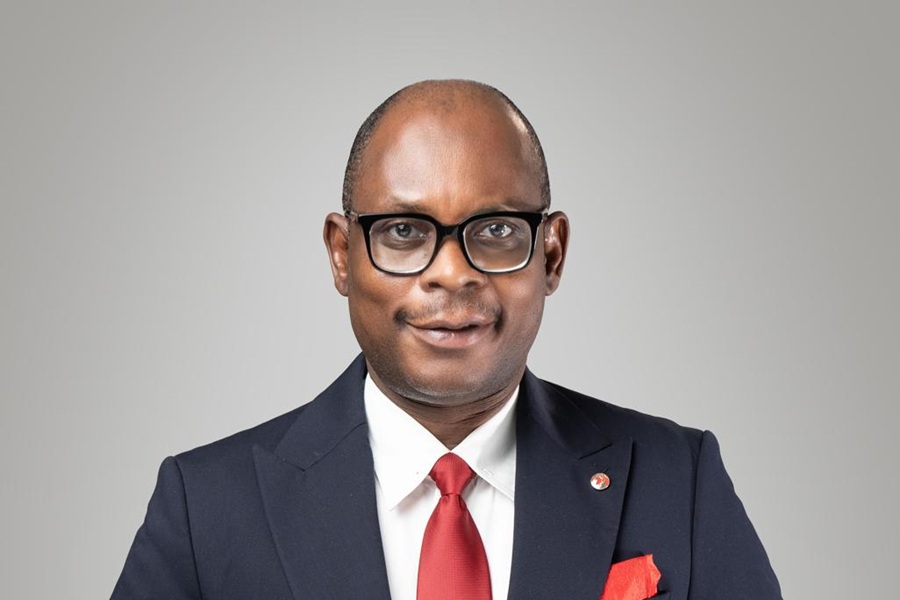
At the recently concluded 20th Africa International Housing Show 2026, Wole Fayemi, MD/CEO, Heirs General Insurance, a member of Heirs Insurance Group, challenged policymakers, developers, financiers, and homeowners to rethink the country’s housing agenda by placing risk protection at the centre of national conversations.
Participating in a panel session on advancing affordable housing and strengthening collaboration across the housing value chain, Fayemi argued that increasing the supply of homes, while essential, will never be sufficient if the homes themselves remain vulnerable to preventable risks.
He said:
“A housing policy that focuses solely on construction is incomplete. The true measure of success is not only the number of homes we build, but how effectively we protect the people, investments and communities those homes represent.”
As Nigeria intensifies efforts to bridge its housing deficit, one critical question continues to receive far less attention than it deserves: what happens after the keys are handed over?
Fayemi’s remarks come against the backdrop of recurring building collapses across Nigeria, incidents that have resulted in the tragic loss of lives in thousands, significant economic waste, and declining public confidence in the built environment.
While regulatory reforms continue to evolve, Fayemi stressed that insurance must move from being viewed as a compliance requirement to becoming an integral pillar of responsible housing development.
Referencing the recently introduced NIIRA Act, 2025, he noted that both developers and occupiers have a critical responsibility to insure properties, not merely to satisfy legal obligations, but to strengthen resilience across the housing ecosystem.
“Every building represents years of investment, aspiration and sacrifice,” he said. “When those assets are left uninsured, the consequences extend far beyond individual property owners. Families are displaced, businesses are disrupted, financial institutions are exposed and national development suffers.”
Fayemi further observed that achieving affordable housing requires stronger collaboration across government, regulators, developers, insurers, financial institutions, and ultimate beneficiaries – the homeowners.
According to him, integrating insurance into housing finance and development from the outset will improve investors’ confidence, encourage more sustainable developments, and help create communities that can better withstand unforeseen events.
He also called for greater public awareness of the role insurance plays in wealth preservation and economic stability, noting that many Nigerians continue to view insurance as an afterthought rather than a strategic safeguard.
“Insurance should not begin when disaster strikes; it should begin when plans are being drawn,” he said. “If we are serious about creating sustainable cities and protecting the wealth of future generations, then insurance must become part of every housing conversation.”
As Nigeria continues to pursue ambitious housing initiatives, Fayemi believes the conversation must evolve beyond the number of housing units delivered to the long-term resilience of the assets being created.
The question, he suggested, is no longer whether Nigeria can build more homes. It is whether the nation is equally committed to protecting them.



