Zedvance Finance Limited, a subsidiary of Zedcrest Group, plans to provide about ₦1 trillion in loans to small and medium-sized enterprises (SME) in Nigeria next year, following a period in which its gross lending volumes more than doubled.
Expanding finances for businesses across key sectors of the economy, the company also plans to deploy about ₦500 billion over the next 18 months to support growth-ready businesses in agriculture, healthcare, manufacturing, energy, logistics, and technology.
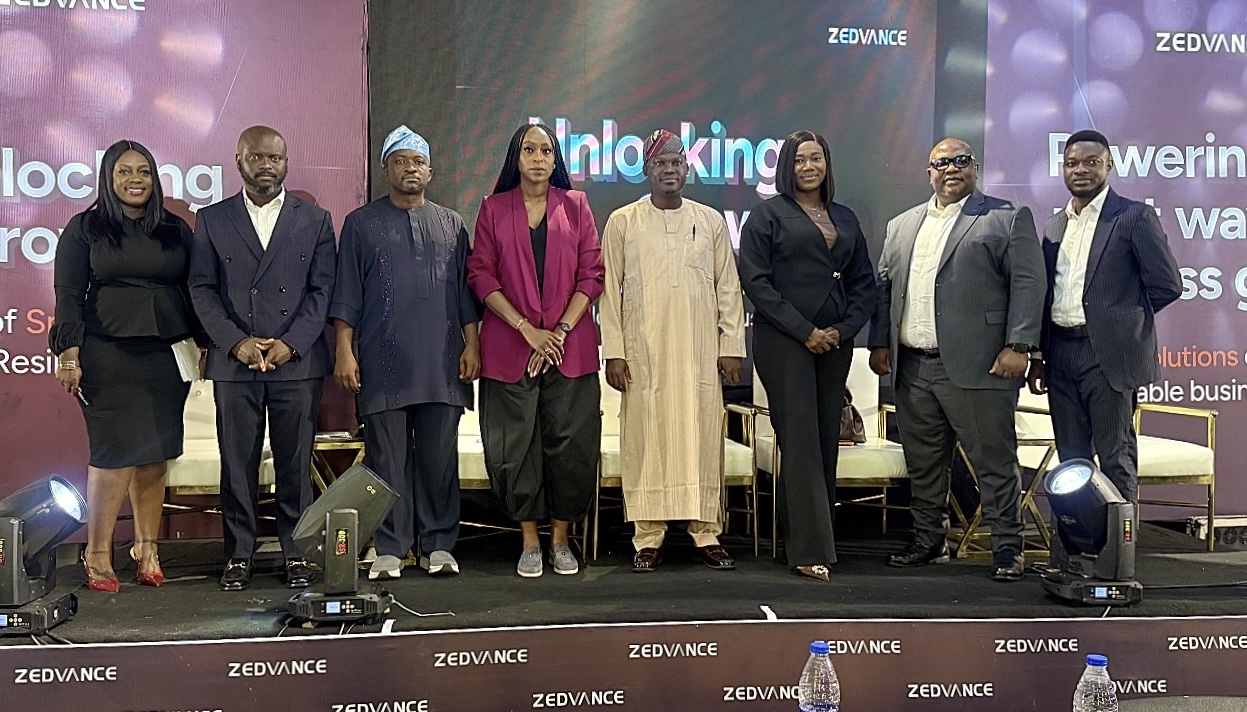
This was revealed at the 2026 edition of the Zedvance Business Roundtable, where business leaders, entrepreneurs, financiers and experts across the industry gathered to discuss how smarter financing models can strengthen businesses and unlock long-term economic growth.
The event, themed “Unlocking Growth: The Role of Smart Financing in Building Resilient Businesses,” reiterated a belief that access to the right capital, delivered through an accurate understanding of industries and business ecosystems, will be highly indispensable in bolstering Nigeria’s next phase of economic development.
In his welcome address, Adebayo Amzat, group managing director of Zedcrest Group, said the company’s focus on SMEs is rooted in their importance to the economy at large.
“Zedvance is here to do major business in the SME space across every vertical,” he said, adding that financing small businesses is one of the most effective ways to create economic impact because SMEs employ people, support local supply chains and drive activity across multiple sectors.
Amzat explained that Zedvance’s lending model is designed around ecosystems rather than isolated transactions, allowing businesses within different sectors to support overall portfolio stability.
“We don’t like transactions, we like businesses,” he said while encouraging entrepreneurs to maintain proper records, build sustainable value and operate businesses that can show track records over time.
Zedvance is directing capital towards productive sectors where financing can generate huge economic benefits, and the company plans to deploy ₦500 billion over the next 18 months in a bid to strengthen support for businesses that are ready to scale.
Amzat further explained that the objective goes beyond profitability. “Why are we doing all of this? We do not think profit is the only objective, or is the most important objective. We think that our work, first and foremost, is to increase the size of the pie,” he said.
He also highlighted the services within the Zedcrest Group, noting that businesses can access debt financing, private equity, wealth management and investment banking services through the group’s various subsidiaries.
According to him, the goal is to ensure that promising businesses can obtain the capital they need at different stages of growth.
One of the takeaways from the roundtable was that financing alone is not enough. Businesses also need trust-based partnerships, operational discipline and sector expertise.
During the agribusiness and healthcare session, experts examined the challenges businesses face in accessing timely financing and the role strategic partnerships can play in helping companies scale.
The conversation highlighted how responsive financing can strengthen supply chains, improve business confidence and enable companies to seize opportunities when they arise.
Speakers agreed that long-term growth is built on integrity, transparency and relationships that extend beyond individual transactions.
Attention later turned to the energy sector, where discussions focused on the increasing demand for financing solutions that can support renewable energy, electric mobility and decentralised power infrastructure.
Experts noted that access to capital will be critical to driving innovation across the sector, particularly as businesses and households seek reliable and cost-effective energy alternatives.
The session also explored how flexible financing models can reduce limitations to adoption by reducing upfront costs and making clean energy technologies more accessible.
With demand growing continuously, the panel pointed to significant opportunities for investment across the energy value chain, particularly in areas capable of improving productivity and reducing operating expenses for businesses.
Across both sessions, a key takeaway was that businesses thrive when financing is tailored to the specific dynamics of their industries rather than delivered through a one-size-fits-all approach.
From agriculture and healthcare to manufacturing, logistics, energy and technology, speakers stressed the importance of funding solutions that show the unique needs and growth cycles of each sector.
Zedvance is supporting businesses with the capital, expertise and long-term partnerships needed to build resilience and unlock growth through its SME lending scheme. This aligns with the needs of Nigerian businesses facing economic challenges in the sector.
With the right financing and the right partners, growth is still within reach.