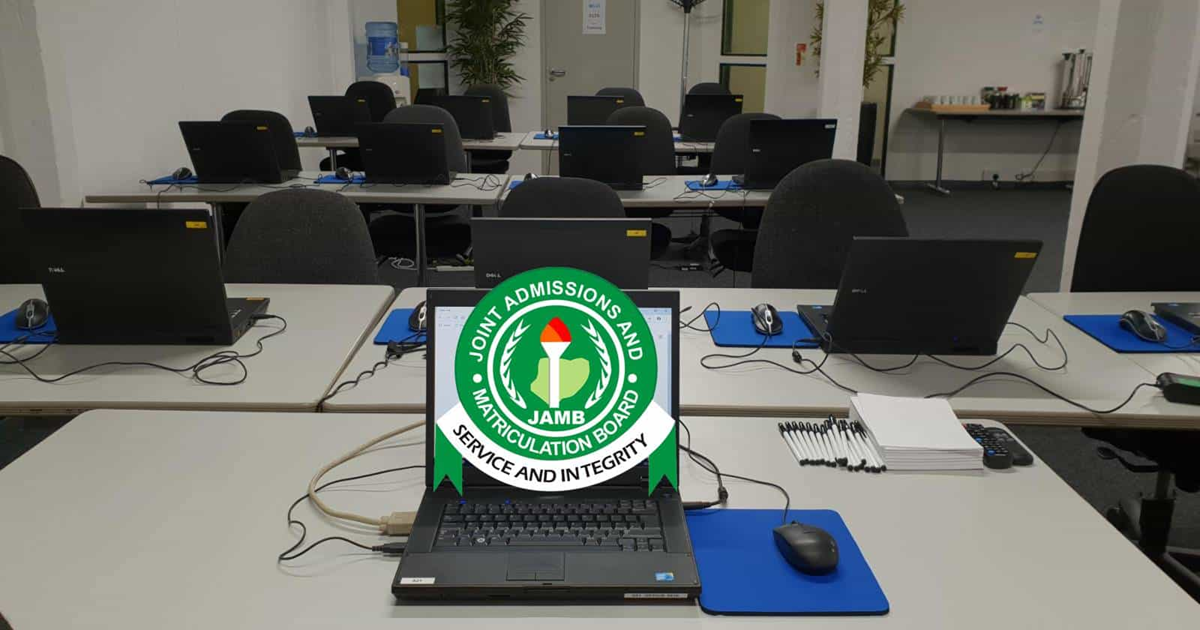
On a busy morning at a registration centre in Lagos, a group of young candidates waited patiently to complete their registration for the Unified Tertiary Matriculation Examination.
For many of them, the process was simple: buy the e-PIN, sit before a computer, and hope that the journey to the university had begun.
But behind the screens and biometric scanners, another conversation was unfolding among the operators who run the Computer-Based Test centres.
Many of them were unhappy.
Their concern centred on a ₦700 registration service charge attached to each candidate’s registration, a fee collected by the Joint Admissions and Matriculation Board on behalf of CBT centres.
Some operators argue that the amount is no longer realistic in today’s economic climate, citing rising costs of electricity, internet connectivity, and equipment maintenance.
Their complaints surfaced even as the examination body announced that it had remitted about ₦1.57 billion to accredited CBT centres that participated in the 2026 UTME registration exercise.
The payment represents the ₦700 charge collected from candidates during registration and subsequently paid to the centres.
For the operators, however, the figures tell only part of the story.
Running a CBT centre in Nigeria today, they say, involves far more than installing computers. It means powering generators during long electricity outages, paying for high-speed internet connections, maintaining hardware, and hiring trained staff to handle thousands of candidates.
“Everything has gone up, diesel, internet, maintenance,” one operator reportedly lamented, insisting that the ₦700 fee no longer reflects the actual cost of delivering the service.
The fee structure itself is not new. The ₦700 charge is part of the UTME registration components, which include the application fee, examination fee, and other charges associated with the process.
The board collects these payments centrally and remits the appropriate portion to CBT centres to discourage multiple payments and prevent the exploitation of candidates.
The policy was introduced partly to address past complaints of overcharging by some centres, creating a more transparent and cashless registration system.
Yet the latest debate highlights the delicate balance between protecting candidates from excessive fees and ensuring that CBT centres, which provide the technological backbone for the examination, remain financially viable.
For millions of Nigerian students, the UTME remains the gateway to higher education. Behind that gateway, however, lies a growing conversation about cost, sustainability, and the future of the digital examination infrastructure supporting one of the country’s most important academic processes.