
As Nigeria prepares to implement what is set to be one of its largest national budgets in history, the Federal Government is confronting a familiar challenge: where to find the money.
With projected revenues falling far short of planned spending, policymakers have begun tapping unconventional sources to keep the fiscal ship afloat, including selling parts of the nation’s own assets.
At the heart of this strategy is a target to raise ₦189.16 billion in 2026 through the sale and privatisation of national assets, a figure that may seem modest against a ₦58.47 trillion total expenditure plan but carries significant symbolic weight.
Asset disposals are now positioned as a necessary alternative to heavy borrowing and as a sign that the government is willing to rethink how it finances public services and capital investment.
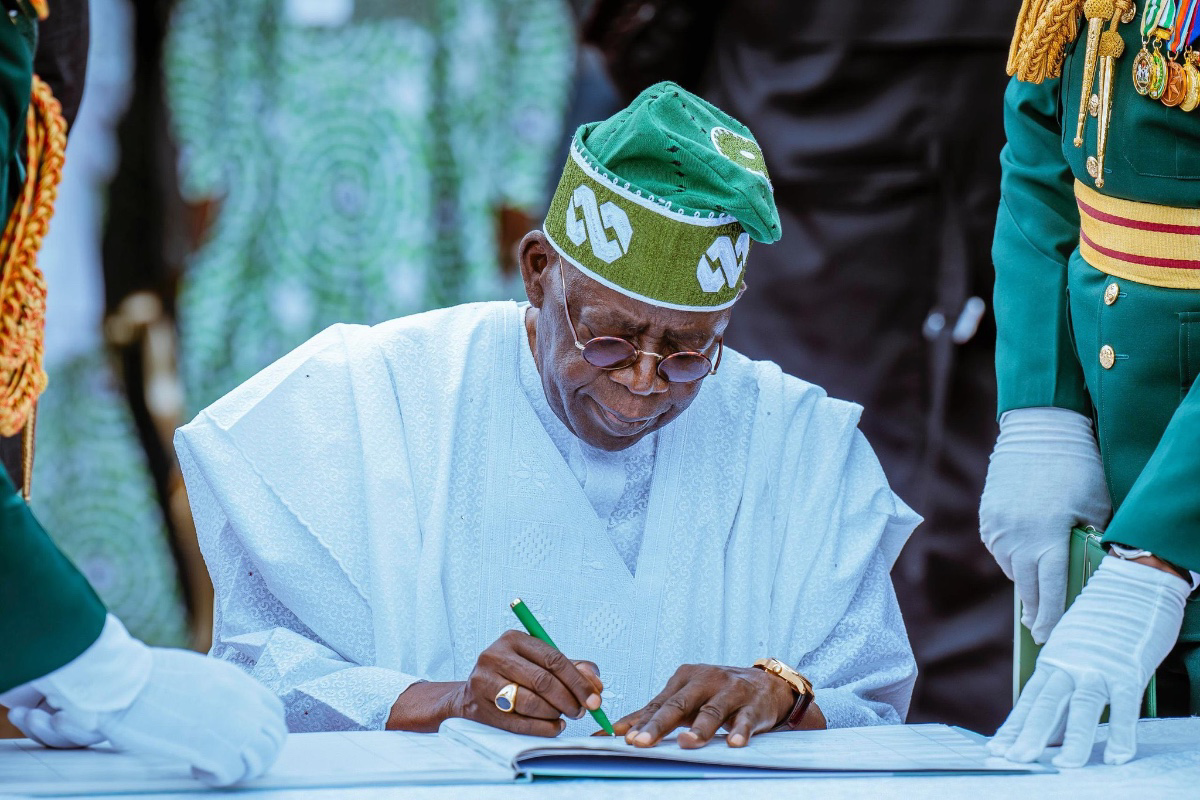
The plan appears in the 2026 Appropriation Bill, which shows total projected revenue and inflows of ₦33.20 trillion, less than two-thirds of the government’s spending ambitions.
The resulting ₦25.27 trillion deficit will have to be filled with a mix of asset sales, debt financing, and external project loans.
For ordinary Nigerians, the fiscal maneuvering reflects a broader story of economic pressure. Revenue shortfalls have dogged successive budgets, with the government routinely missing revenue targets and turning instead to borrowing through bonds, Treasury Bills, and other instruments.
Behind the numbers are decisions that could shape public services and national priorities for years to come.
The government’s asset portfolio includes enterprises spanning oil and gas, transport, agriculture, and industry, sectors long central to Nigeria’s growth story but also seen as ripe for private sector investment.
In 2025, for instance, policymakers confirmed plans to privatise 91 federal assets, including refineries, depots, agricultural firms, and aviation services, to enhance efficiency and attract fresh capital.
Critics argue that asset sales alone cannot shoulder Nigeria’s expanding fiscal burden. With debt servicing consuming trillions of naira and recurring expenditure towering over available revenue, some analysts say the government must strengthen non-oil revenue streams, including taxes and digital economy levies, if it is to achieve sustainable financing.
Still, the inclusion of asset sales in the 2026 financing mix signals a shift in fiscal thinking. What was once a peripheral strategy is now a central plank of the government’s budget story, at a time when raising revenue without further indebting the nation has become a political and economic imperative.
As Nigeria’s lawmakers continue to scrutinise the budget, the question many are asking is not just how much the government plans to spend, but how it intends to pay for it, and what that means for citizens waiting for better roads, schools, health care, and jobs.