
ADVERTISEMENT
Thursday, February 5, 2026
  • Login
Tech | Business | Economy
No Result
View All Result
NEWSLETTER
  • News
  • Tech
    • DisruptiveTECH
    • ConsumerTech
    • How To
    • TechTAINMENT
  • Business
    • BUSINESS SENSE FOR SMEs
    • Telecoms
    • Commerce & Mobility
    • Environment
    • Travel
    • StartUPs
      • Chidiverse
    • TE Insights
    • Security
  • Partners
  • Economy
    • Finance
    • Fintech
    • Digital Assets
    • Personal Finance
    • Insurance
  • Features
    • IndustryINFLUENCERS
    • Guest Writer
    • EventDIARY
    • Editorial
    • Appointment
    • Chidiverse
  • TECHECONOMY TV
  • Apply
  • TBS
  • Advertise
  • News
  • Tech
    • DisruptiveTECH
    • ConsumerTech
    • How To
    • TechTAINMENT
  • Business
    • BUSINESS SENSE FOR SMEs
    • Telecoms
    • Commerce & Mobility
    • Environment
    • Travel
    • StartUPs
      • Chidiverse
    • TE Insights
    • Security
  • Partners
  • Economy
    • Finance
    • Fintech
    • Digital Assets
    • Personal Finance
    • Insurance
  • Features
    • IndustryINFLUENCERS
    • Guest Writer
    • EventDIARY
    • Editorial
    • Appointment
    • Chidiverse
  • TECHECONOMY TV
  • Apply
  • TBS
  • Advertise
No Result
View All Result
Tech | Business | Economy
No Result
View All Result
  • News
  • Tech
  • Business
  • Partners
  • Economy
  • Features
  • TECHECONOMY TV
  • Apply
  • TBS
  • Advertise

Home » ‘Fake Kidnapping Calls’, Practical Ways Families Can Verify Fast

‘Fake Kidnapping Calls’, Practical Ways Families Can Verify Fast

AI voice loning scams are now “family-grade” believable - here’s how to fight back before you panic-pay

Staff Writer by Staff Writer
February 5, 2026
in Security
Reading Time: 3 mins read
0
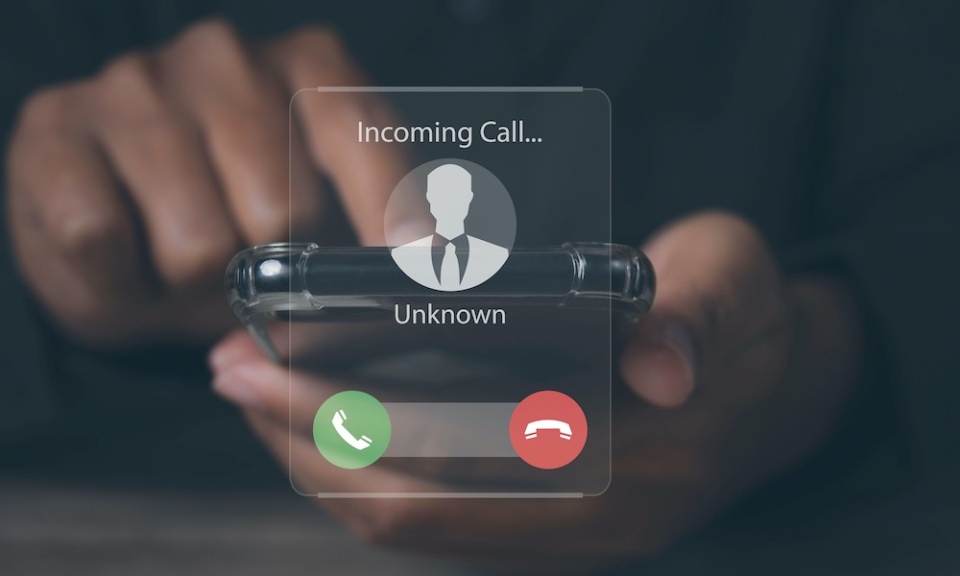
Unknown caller | Fake kidnapping Calls

Man answering to incoming from an unknown caller.

A terrifying scam is spreading fast: criminals use AI to clone a loved one’s voice and call families with a fake emergency, like a kidnapping or accident, then pressure them to wire money immediately.

A recently reported case where a mother received a call that appeared to come from her daughter’s number and sounded exactly like her daughter, leading to thousands lost before she realized it was a scam.

This is not rare anymore. McAfee’s research has found 1 in 10 people surveyed said they received a message from an AI voice clone, and 77% of those victims said they lost money.

Meanwhile, the Federal Trade Commission says Americans reported $12.5B in fraud losses in 2024, with imposter scams totaling $2.95B.

Why this scam works: it hijacks your “voice = truth” instinct

Voice is emotional proof. We’re wired to trust it, especially when it sounds like our child, parent, or partner. With modern cloning tools, scammers may only need a short sample from social media videos, voicemails, or other recordings to generate convincing audio.

Analysis shows AI voice scams now require as little as 30 seconds of audio to clone a loved one’s voice, and experts explain how to spot and stop these fake emergency calls in real time.

Olga Scryaba, Head of Product at isFake.ai, puts it simply:

“Voice used to be a strong ‘trust signal.’ Now it’s just another file that can be copied. If a call tries to rush you into money or secrecy, treat the voice as unverified until you confirm it through a second channel.”

The 60-second “don’t get played” protocol for families

If you get a terrifying call from a “loved one,” do this in order:

1. Interrupt the script with a “proof question.”

Ask something a cloner won’t know: “What was the name of our first pet?” “What did we eat last Sunday?” (Avoid info visible on social media.)

2. Use a family safe word (yes, really).

National Cybersecurity Alliance-style advice reported in the story: agree on a code word or phrase for emergencies and make it universal across the family (including grandparents).

MTN New

3. Hang up and call back on a saved number.

Do not trust caller ID. Call the person (or another family member) using a number you already have saved.

4. Slow the money down.

Scammers rely on urgency. Any request to wire money, buy gift cards, or send crypto during an “emergency call” is a flashing red sign.

5. If you have a recording, verify it.

If the scam left a voicemail/voice note, run it through an AI audio checker before you treat it as evidence. (This is where detection tools help when your ears can’t.)

Quick “audio red flags” (helpful, but not foolproof)

Even good fakes can slip. Still, listen for:

  • Odd timing: unnatural pauses, latency before responses, or answers that dodge follow-up questions
  • Too-clean speech: perfect pronunciation, limited natural breathing, weirdly consistent cadence
  • Context gaps: vague details (“I’m in trouble, send money”) instead of specifics only the real person would share

As Olga notes:

“The biggest tell is usually not the sound, it’s the behavior. Real people will let you verify. Scammers will punish you for trying.”

The trust problem nobody’s ready for: “the liar’s dividend”

As deepfakes spread, bad actors can also dismiss real evidence as fake. Researchers call this the liar’s dividend. This is when the mere existence of deepfakes makes it easier to deny authentic recordings.

That’s why verification workflows matter: you want proof that holds up even when someone claims it’s AI.

0Shares

stanbic
Previous Post

PwC Takes Control of Koko Networks After Clean-Cooking Startup Enters Administration

Next Post

Nigeria Ranks among Top Senders as 22,000 Students Contribute $889m to U.S. Economy

Staff Writer

Staff Writer

Next Post
Study abroad, Nigerian Students in the U.S. Economy

Nigeria Ranks among Top Senders as 22,000 Students Contribute $889m to U.S. Economy

Leave a Reply Cancel reply

Your email address will not be published. Required fields are marked *

I agree to the Terms & Conditions and Privacy Policy.

This site uses Akismet to reduce spam. Learn how your comment data is processed.

MTN New
Techeconomy Podcast
Techeconomy Podcast

The Techeconomy Podcast is a thought-leadership show exploring the powerful intersection of technology, business, and the economy, with a strong focus on Africa’s fast-evolving digital landscape.

Navigating a Career in Tech Sales
byTecheconomy

Tech sales is more than selling – it’s strategy, relationships, and growthIf you’re curious about: Breaking into tech sales Growing your career Understanding what employers really want

Navigating a Career in Tech Sales
January 29, 2026
Techeconomy
How Technology is Transforming Education, Health, and Business
November 27, 2025
Techeconomy
INNOVATION IN MOBILE BANKING
October 30, 2025
Techeconomy
The Rise of AI: Impact on Jobs & Businesses
September 25, 2025
Techeconomy
Beyond the Product: How to Build a Powerful Marketing Engine for Your Tech Business
August 28, 2025
Techeconomy
Search Results placeholder
UBA
Advertisements
  • About Us
  • Careers
  • Contact Us

© 2026 TECHECONOMY.

No Result
View All Result
  • Techeconomy
  • News
  • Technology
  • Business
  • Economy
  • Jobseeker
  • Advertise

© 2026 TECHECONOMY.

Welcome Back!

Login to your account below

Forgotten Password?

Retrieve your password

Please enter your username or email address to reset your password.

Log In
This website uses cookies. By continuing to use this website you are giving consent to cookies being used. Visit our Privacy and Cookie Policy.