
In a strategic move to bolster consumer protection and sanitize Nigeria’s digital identity landscape, the Nigerian Communications Commission (NCC) has proposed a mandatory 14-day notification period before telecommunications operators can deactivate or churn inactive SIM cards.
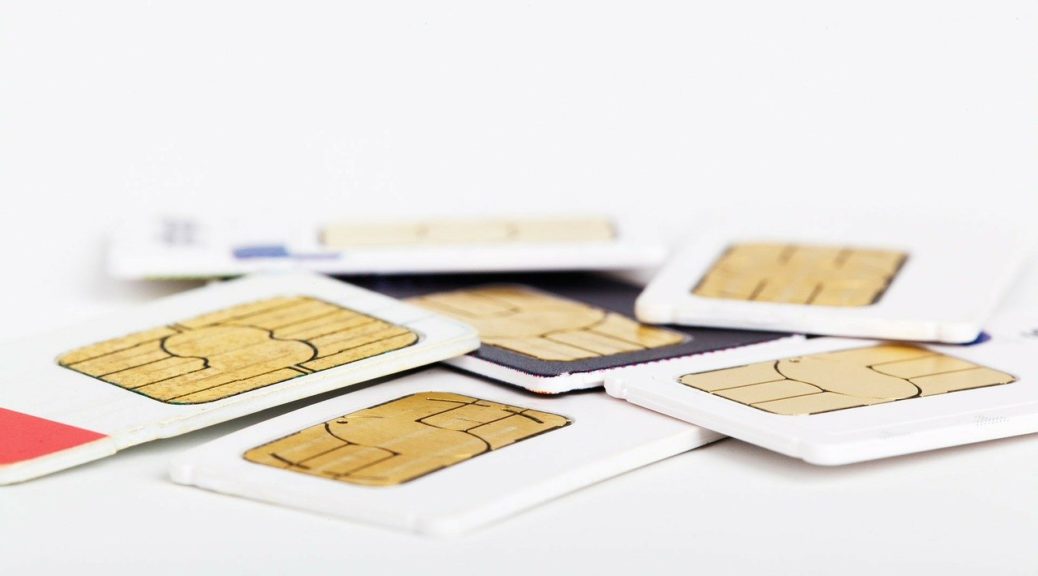
The proposal, detailed in a recent consultation paper titled “Stakeholders Consultation Process for the Telecoms Identity Risks Management Platform,” marks a significant shift in the Quality-of-Service (QoS) Business Rules.
Under the leadership of Dr. Aminu Maida as the executive vice chairman, the Commission is seeking to bridge the communication gap between Telcos and subscribers, ensuring that users, both prepaid and postpaid, are not abruptly disconnected without sufficient warning.
The Mechanics of the Proposed Rule
Currently, Section 2.3.1 of the QoS Business Rules allows operators to deactivate a line if it fails to generate revenue (Revenue Generating Event) for six months. If the inactivity persists for another six months, the number is typically recycled.
The new amendment seeks to add a critical layer of transparency:
- Mandatory Alerts: Operators must send notifications via an alternative mobile line or email.
- Two-Week Window: This notice must be delivered at least 14 days prior to the final deactivation date.
- Data Integration: Following a churn, operators will be required to submit the details of the deactivated numbers to the newly proposed Telecoms Identity Risk Management System (TIRMS) within seven days.
Driving Security through TIRMS
At the heart of this regulatory review is the TIRMS, a secure, regulatory-backed platform designed to tackle the growing menace of fraud linked to recycled, swapped, or barred Mobile Station International Subscriber Directory Numbers (MSISDNs).
By creating a centralized database for churned numbers, the NCC aims to provide a “uniform approach” for all sectors, particularly fintech and banking, to verify the integrity of registered mobile numbers. This is expected to significantly reduce identity theft and unauthorized access to financial accounts linked to recycled SIMs.
Techeconomy’s take is that the NCC 14-Day SIM Deactivation Notice move reflects a growing global trend of RegTech (Regulatory Technology) integration.
By moving beyond simple deactivation and into active risk management via TIRMS, the Commission is addressing a major vulnerability in Nigeria’s digital economy: the ghost identity of recycled numbers.
For subscribers, this provides a vital safety net. For the ecosystem, it adds a layer of KYC (Know Your Customer) validation that has been a friction point for digital service providers.
What’s Next?
The Commission has opened the floor for stakeholder engagement, in line with Section 58 of the Nigerian Communications Act 2003. Industry players and the public have until March 20, 2026, to submit comments on the proposed framework before it is codified into law.