


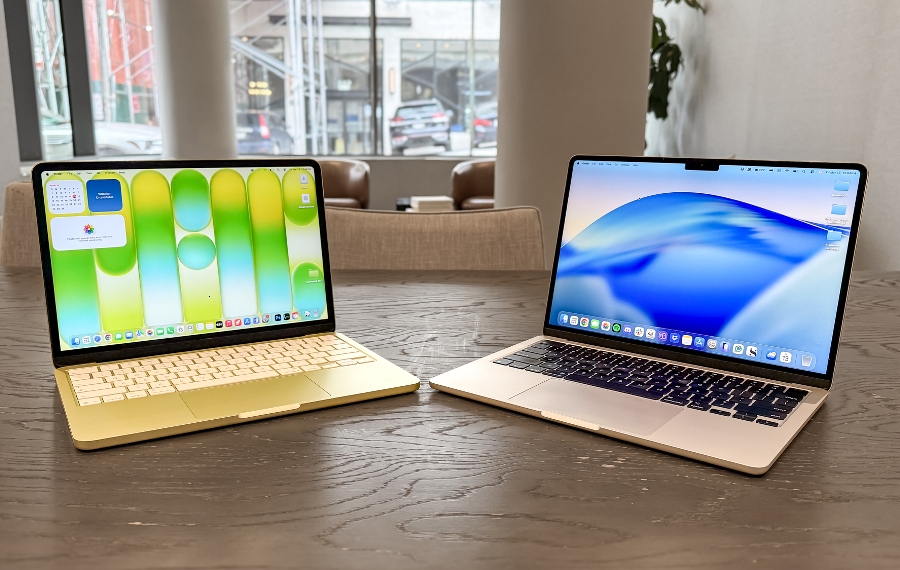
When Apple launched the MacBook Neo earlier in March, the reaction was mixed.
Some loyal users had anticipated a new device following the iPhone 17e launch, but few expected Apple to step into the mid-range laptop segment.
Both the specifications and the pricing caught the industry off guard.
For a company known for premium devices and equally premium price tags, the MacBook Neo reveals a big transition.
This is not just another MacBook release, it is Apple taking aim at Windows laptops, which have dominated the mid-range category for years.
With more competitive specs and a lower entry price than traditional MacBooks, what does this new strategy mean for the larger mid-range laptop market, and should other established brands like HP, Acer and Lenovo be concerned?
Will Affordable Windows Laptops Still Dominate?
It is unlikely that the MacBook Neo will displace Windows laptops anytime soon. However, this new move by Apple is heavy enough to disrupt the status quo and apply pressure on competitors.
This shows that Apple is no longer satisfied with leading only the premium tier market. It is now targeting a wider audience, including users in cost-sensitive and emerging markets. Still, some challenges could limit how far the MacBook goes.
Price Still Matters A Lot
While the MacBook Neo is Apple’s most affordable laptop yet, it still sits above many entry-level and mid-range Windows machines in terms of pricing.
In markets like Nigeria, where affordability is most important in purchasing decisions, that gap matters. For many buyers, even a moderate price difference can determine which device they choose. If Apple intends to gain traction in these regions, pricing will be an important area of focus.
Ecosystem Appeal Has Limits
Apple’s ecosystem is widely regarded as one of its strongest advantages, providing seamless integration across devices. But that appeal does not always mean sales in more price-sensitive markets.
Many users still prioritise Windows’s flexibility and broad software compatibility, especially in schools or workplaces. For these buyers, the operating system is just as important as the hardware itself.
Variety and Market Competition Remain
The Windows ecosystem benefits from variety, with dozens of manufacturers producing laptops across different price points, designs and performance levels.
This diversity allows buyers to choose devices tailored to their specific needs, something Apple, with a more limited product line-up, cannot fully replicate.
This flexibility gives Windows an edge in the mid-range market.
Component Shortages & Supply Constraints
If demand for the MacBook Neo increases quickly, Apple may face challenges scaling production and distribution to match the reach of established PC makers.
Windows laptop manufacturing already operates extensive supply chains and distribution networks, particularly in emerging markets. Apple, by comparison, may need time to build similar depth in these regions.
The MacBook Neo has stirred conversion and interest, bringing more competition into a segment long controlled by Windows laptops, but it is not a guaranteed game-changer.
Windows are likely to maintain their top place in the mid-range market, driven by affordability, flexibility and availability. Still, Apple’s entry raises the stakes.
Even if it does not overturn the market, it will push competitors to innovate faster, and that could transform the space over time.



