


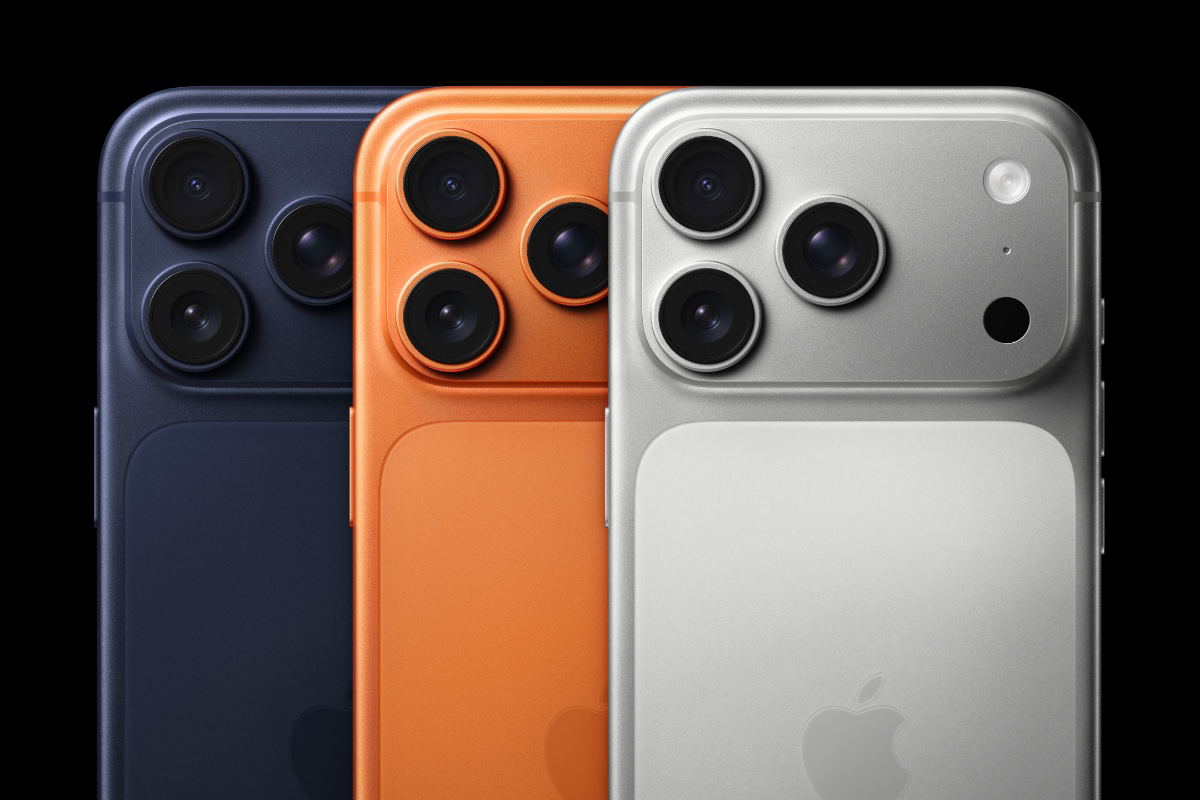
Apple smartphone sales in China rose 23% in the first nine weeks of 2026, despite an overall 4% decline in the general market.
New data from Counterpoint Research shows that demand is still weak across China. Government subsidies introduced in January have not done much to change that, making individuals hold back on spending, and phone makers are feeling it.
Apple, however, managed to push ahead, discounts on e-commerce platforms helped, and the base model of the iPhone 17 qualified for state subsidies. That combination made its devices more attractive at a time when buyers are prudent.
There is also the question of cost, with memory chip prices surging and putting pressure on manufacturers.
While others are reacting by raising prices, Apple is taking a different route. Its control over its supply chain gives it room to absorb some of the extra cost instead of passing it on to customers.
Counterpoint explained, “Apple is unlikely to follow suit, instead absorbing part of the margin pressure and using the situation to potentially expand its market share.”
Competitors are not in the same position. OPPO and vivo have already increased prices on some existing models this month. The adjustments are not just covering costs, but are also testing how much consumers are willing to pay before new devices arrive later in the year.
Meanwhile, Huawei is leaning on domestic suppliers who tend to charge less than international chipmakers, giving Huawei some breathing space.
That advantage could help it compete more aggressively, especially in the low- and mid-range segments.
The pressure is not going away soon. Memory costs are still high, and manufacturers are being forced to choose between protecting margins, keeping prices stable, or pushing shipments.
Hence, the Chinese market is expected to stay soft through March, April and May. There may be some lift in early June when the country’s “618” shopping festival begins.
That period usually brings heavy discounts and a spike in sales, although any rebound may be temporary.
As it stands, most brands are adjusting to a tougher market, while Apple is using the moment to hold its ground in the China smartphone market, and possibly take more share, while sales grow.



