


The Nigeria Customs Service (NCS) and the United Kingdom’s HM Revenue and Customs (HMRC) have entered a strategic partnership to establish a structured data-sharing framework aimed at resolving a staggering £1.2 billion discrepancy in bilateral trade figures.
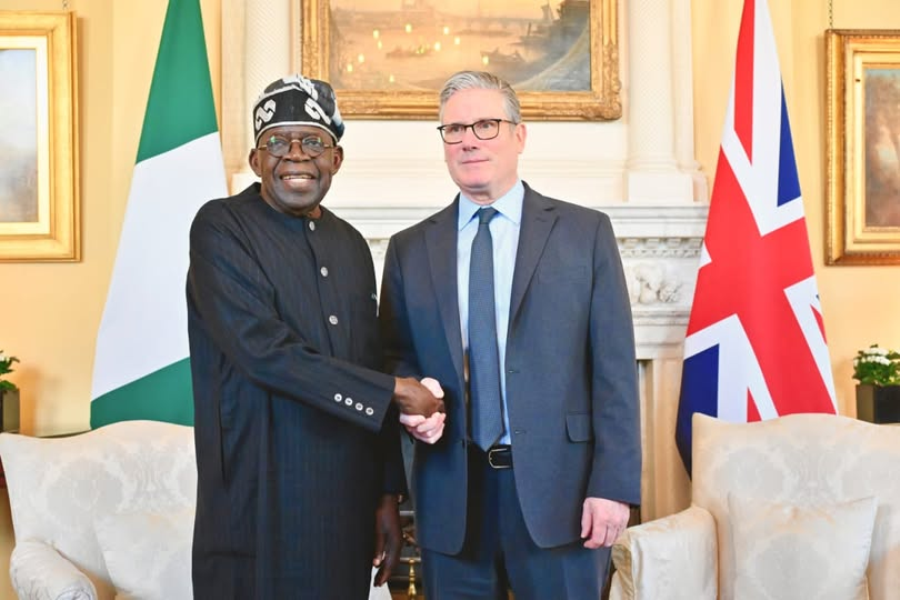
The agreement was reached during high-level talks in London on March 18, 2026, held on the sidelines of President Bola Tinubu’s State Visit.
Led by Comptroller General of Customs (CGC) Adewale Adeniyi and HMRC’s Megan Shaw, the meeting focused on using digital transformation to bring transparency to the Nigeria–UK trade corridor.
The £1.2 Billion Statistical ‘Black Hole’
At the heart of this initiative is a massive mismatch in trade reporting from 2024. While Nigeria recorded only £504 million in UK-origin imports, the UK reported exports to Nigeria valued at £1.7 billion.
To eliminate this £1.2 billion gap, both nations will link their digital customs platforms through a pre-arrival data exchange framework.
This will allow for real-time reconciliation of cargo manifests and export declarations, making it significantly harder for trade figures to be manipulated or under-reported.
The partnership goes beyond simple data entry. The UK showcased its latest advancements in Artificial Intelligence (AI)-driven trade tools and real-time analytics.
These systems are designed to:
Accelerate Port Processing: Reducing the time cargo spends at the border through automated risk assessment.
Enhance Digital Verification: Using AI to spot anomalies in shipping documents that might indicate fraud or smuggling.
Improve Compliance Monitoring: Ensuring that duties and taxes are accurately calculated based on verified bilateral data.
CGC Adewale Adeniyi emphasized that this modernization is a critical enabler of Nigeria’s economic growth.
“Customs administrations serve as the frontline institutions responsible for ensuring that trade flows are transparent, secure, and mutually beneficial,” Adeniyi stated.
The engagement also laid the groundwork for a Customs Mutual Administrative Assistance Framework, which will include technical scoping for capacity building and a joint engagement mechanism under the Enhanced Trade and Investment Partnership (ETIP).
For the Nigerian tech ecosystem, this isn’t just a Customs story, it’s a GovTech milestone. The integration of AI and cross-border digital platforms represents a shift toward a more transparent, data-led economy.
For businesses, this promises faster clearing times at the ports and a more predictable regulatory environment for UK-Nigeria trade.



