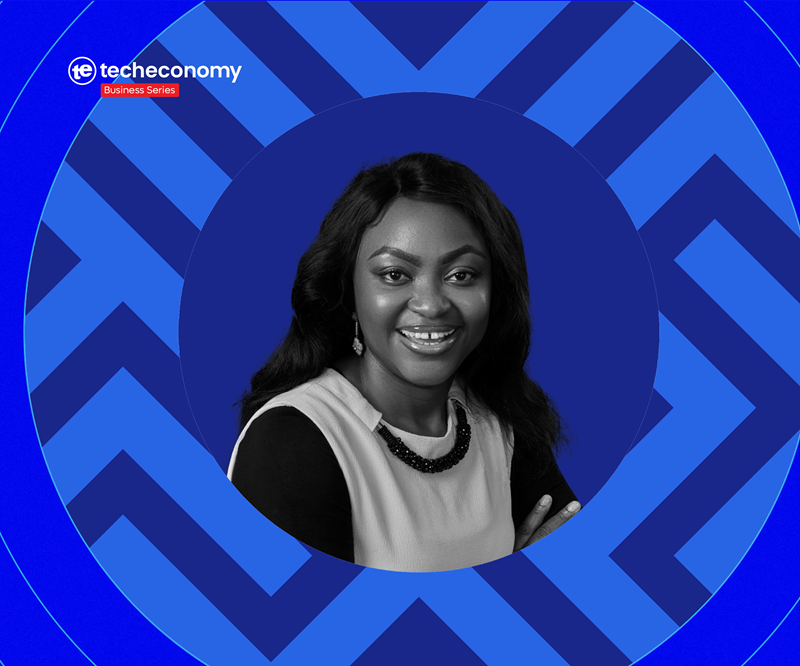
Kikelomo Owoyale: Governance and Financial Discipline are Critical to Startup Survival

In startup conversations, attention is often skewed toward innovation, fundraising, and growth. But beneath every successful startup lies something far less glamorous, and far more decisive: structure.
For Kikelomo Owoyale, founder of SheFoundry, governance and financial discipline are not administrative afterthoughts; they are foundational to survival.
In her view, many startups don’t fail because their products are weak; they fail because their internal systems cannot sustain growth or withstand pressure.
The Silent Killer: Poor Structure
Owoyale points to a recurring pattern across early-stage ventures: founders prioritizing visibility and funding over structure.
The consequences are often severe as founders lose control of their companies; internal conflicts emerge among stakeholders; investors lose confidence during due diligence, and growth becomes chaotic and unsustainable
At the center of this problem is a misunderstanding of governance. Many founders see it as something to fix later, once the company scales. But by then, the damage is often already done.
Governance, she argues, is not bureaucracy, it is clarity: clarity of ownership, decision-making, accountability, and long-term direction.
The Hidden Risks Founders Overlook
Owoyale identifies several critical mistakes that continue to undermine startups, even those with strong products:
1. Messy Cap Tables and Weak Agreements
Unclear shareholder structures and poorly defined agreements can create long-term instability. Founders may unknowingly give away significant equity or create conflicting ownership rights that become difficult to resolve later.
2. Poor Financial Record-Keeping
One of the most alarming issues she highlights is startups raising significant funding without being able to account for how it was spent.
“This is more than a red flag; it is often a deal breaker”, she said.
Without proper financial records, startups lose credibility, making it nearly impossible to secure follow-on funding or strategic partnerships.
3. Confusing Revenue with Profit
Generating revenue does not necessarily mean a business is profitable, or even sustainable. Owoyale stresses the importance of understanding cash flow dynamics; cost structures and profit margins. Without this clarity, founders may make decisions that appear growth-oriented but are financially destructive.
4. Mixing Personal and Business Finances
This is one of the most common, and most damaging, practices among early-stage founders.
Using personal accounts for business transactions blurs financial boundaries, creates accountability issues, and signals a lack of professionalism to investors.
It also increases the risk of mismanagement, even when unintentional.
5. Underpricing for Market Entry
While competitive pricing can help attract users, chronic underpricing can erode value and make long-term sustainability impossible.
Startups must strike a balance between accessibility and viability, ensuring that pricing reflects both market realities and business needs.
Understanding the Power of Financial Literacy
At the core of Owoyale’s message is a call for founder-level financial literacy.
“If you don’t understand your numbers, someone else will use them against you.”
This is not just about hiring accountants or financial analysts. Founders themselves must understand the basics:
- How money flows through the business
- What drives costs and profitability
- How equity and ownership structures work
Without this knowledge, founders enter negotiations, from funding rounds to partnerships, at a disadvantage.
The Gender Dimension: Navigating Bias in Funding
Owoyale also draws attention to an important but often under-discussed issue: the unique challenges faced by female founders.
She notes that women are more likely to encounter:
- Aggressive or unfavorable investment terms
- Pressure to accept disproportionate equity dilution
- Subtle biases that undermine negotiation power
Her advice is unequivocal: stand firm and negotiate from a position of knowledge.
For female founders, governance and financial clarity are not just operational tools; they are defensive mechanisms against systemic bias.
Structure Before Scale
A key takeaway from Owoyale’s insights is the importance of sequencing:
Structure must come before scale.
Before seeking funding, founders should ensure company incorporation is complete; shareholder and founder agreements are clearly defined; financial systems and records are in place, and equity positions are well understood.
This preparation transforms fundraising conversations. Instead of approaching investors from a position of need, founders can engage from a position of strength.
The Role of Government and the Ecosystem
While founders bear primary responsibility for building structured businesses, the broader ecosystem also has a role to play.
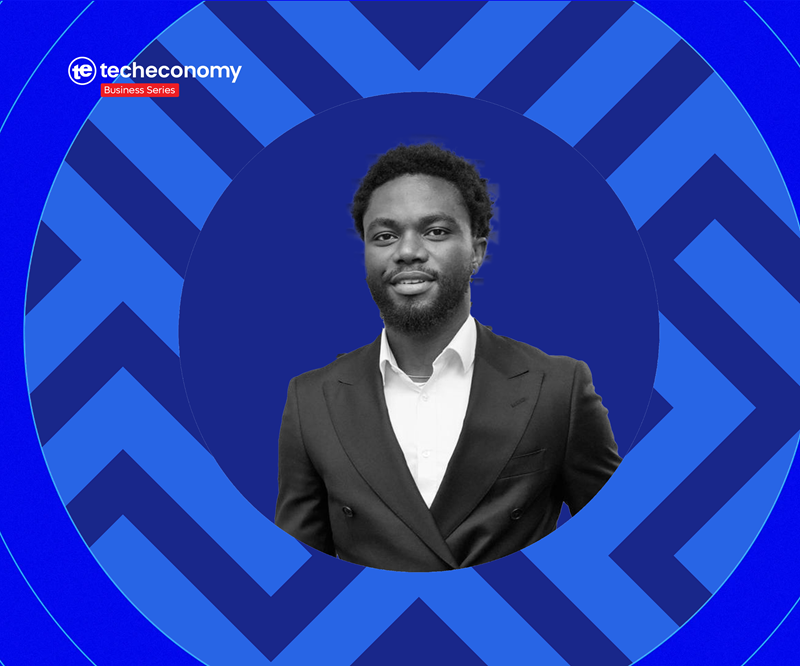
Echoing this sentiment, Kayode Akintunde called for stronger institutional support to enable innovation across Africa.
Key areas of intervention include:
Investment in infrastructure: Reliable power, connectivity, and logistics to reduce operational burdens
Innovation-focused programs: Platforms that spotlight technical talent and problem-solving, rather than celebrity culture
Youth-driven ecosystems: Initiatives that nurture early-stage builders and create pathways for growth
Such support can lower barriers and create a more enabling environment—but it cannot replace the need for internal discipline within startups.
Summary
Across her submission, Owoyale delivers a message that cuts through startup hype:
A great product without structure is a fragile business.
For founders, the path to sustainability is not just about innovation or funding, it is about:
- Building clear governance systems
- Maintaining financial discipline
- Understanding ownership and control
- Making informed, data-driven decisions
In a competitive and capital-sensitive environment, these elements are not optional, they are what determine whether a startup survives, scales, or collapses.
Because in the end, it’s not just about raising money or building products, it’s about building a business that can stand.
Listen to April edition of Techeconomy Business Series on Spotify: Clic here or Watch on YouTube: https://www.youtube.com/watch?v=C3i0-t7LGio
Subscriber to Techeconomy YouTube channel here | Follow Techeconomy: X: @Techeconomyng | Facebook: Techeconomy | IG: @Techeconomy | TikTok: @Techeconomy | LinkedIn: Techeconomy