


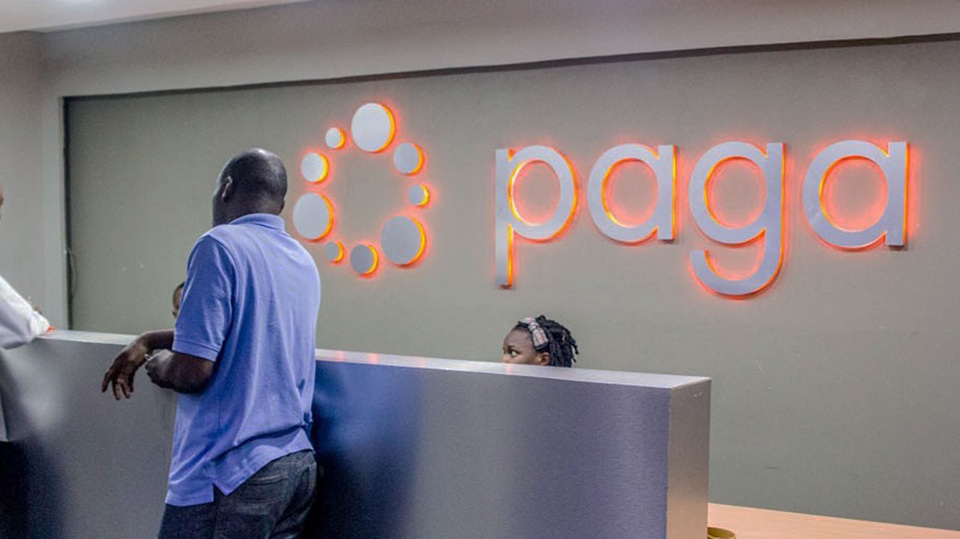
Paga has responded to customer complaints over failed transactions and delayed reversals following a recent Techeconomy report that highlighted growing frustrations expressed by users on social media after the company announced the Central Bank of Nigeria’s approval of the appointment of Ope Oyinloye as CEO of Paga Nigeria.
The report, titled “Paga Customers Vent over Failed Transactions as Firm Unveils New CEO,” captured reactions from customers who used the company’s congratulatory Facebook post to complain about unresolved transaction issues, delayed reversals, and difficulties accessing customer support.
In a follow-up response published on its official Facebook page, Paga attributed many of the transaction delays to intermittent downtime from the Nigeria Inter-Bank Settlement System (NIBSS), the central switching infrastructure that processes interbank transfers and digital payment transactions across Nigeria’s banking ecosystem.
According to the company, the service disruptions were not unique to Paga but affected several financial institutions and fintech platforms connected to the NIBSS network.
“Transfers may occasionally be delayed due to downtime from NIBSS or the receiving bank,” the company explained in its response to customers on Facebook.
Paga further assured customers that transactions affected by network disruptions are usually reversed automatically once the issue is resolved, while advising users to escalate unresolved complaints through its support channels.
The company also encouraged customers experiencing transaction issues to provide details such as transaction references and registered phone numbers to enable faster investigation and resolution.
The clarification comes amid increasing public scrutiny of Nigeria’s digital payment ecosystem, where failed transactions and delayed reversals continue to generate frustration among consumers despite rapid fintech growth and rising electronic payment adoption.
Over the past few years, fintech platforms and banks have processed record transaction volumes as Nigerians increasingly embrace digital payments for transfers, bills, e-commerce, and everyday transactions.
However, industry stakeholders acknowledge that infrastructure bottlenecks, switching failures, bank downtimes, and connectivity disruptions within the wider financial ecosystem can sometimes affect transaction processing and customer experience.
The earlier Techeconomy report had spotlighted several customer complaints raised under Paga’s leadership announcement post, with some users alleging prolonged delays in transaction reversals and difficulties reaching customer care representatives.
While some commenters criticised customer service responsiveness, others questioned the reliability of digital payment platforms amid increasing dependence on cashless transactions.
The company’s response appears aimed at reassuring users and clarifying that not all transaction disruptions originate directly from the fintech platform itself.
The development also highlights the growing pressure on fintech companies to maintain consumer trust, improve transparency, and strengthen customer support systems as competition intensifies within Nigeria’s digital financial services sector.




