ADVERTISEMENT
Thursday, June 4, 2026
Tech | Business | Economy
No Result
View All Result
  • Technology
    • Trends
    • Telecoms
      • Broadband
    • ConsumerTech
      • Gadgets and Appliances
      • Apps
      • Accessories
      • Reviews
      • Unboxing
    • EnterpriseTECH
    • Security & Data Protection
    • How To
  • Business
    • Company News
    • StartUPs
      • Founder’s Story
      • Funding
    • Deals
    • People & Moves
    • SME & Entrepreneur Focus
    • BUSINESS SENSE FOR SMEs
    • Competition & Market Positioning
    • Commerce & Mobility
    • Travel
    • WomenPreneurs
  • Economy
    • Macroeconomic Trends
      • Macro Monday
      • TE Insights
    • Finance
      • Banks
      • Fintech
      • Insurance
      • Digital Assets
      • Personal Finance
    • Policies
      • Tech & Society
    • Market Analysis
    • Jobs & Workforce Economy
  • Features
    • Guest Writer
      • Chidiverse
      • Digital Assets
      • GameTech
    • EventDIARY
    • IndustryINFLUENCERS
    • MarkTECH
    • TBS
    • NewsEXTRA
  • Editorial
  • Brand Content
  • TECHECONOMY TV
Thursday, June 4, 2026
Tech | Business | Economy
No Result
View All Result
Tech | Business | Economy
No Result
View All Result

Home » Nigeria Senate Approves New Sugar Tax That Will Push Up Price of Soft Drinks

Nigeria Senate Approves New Sugar Tax That Will Push Up Price of Soft Drinks

Joan Aimuengheuwa by Joan Aimuengheuwa
June 4, 2026
in Competition & Market Positioning
Reading Time: 3 mins read
0
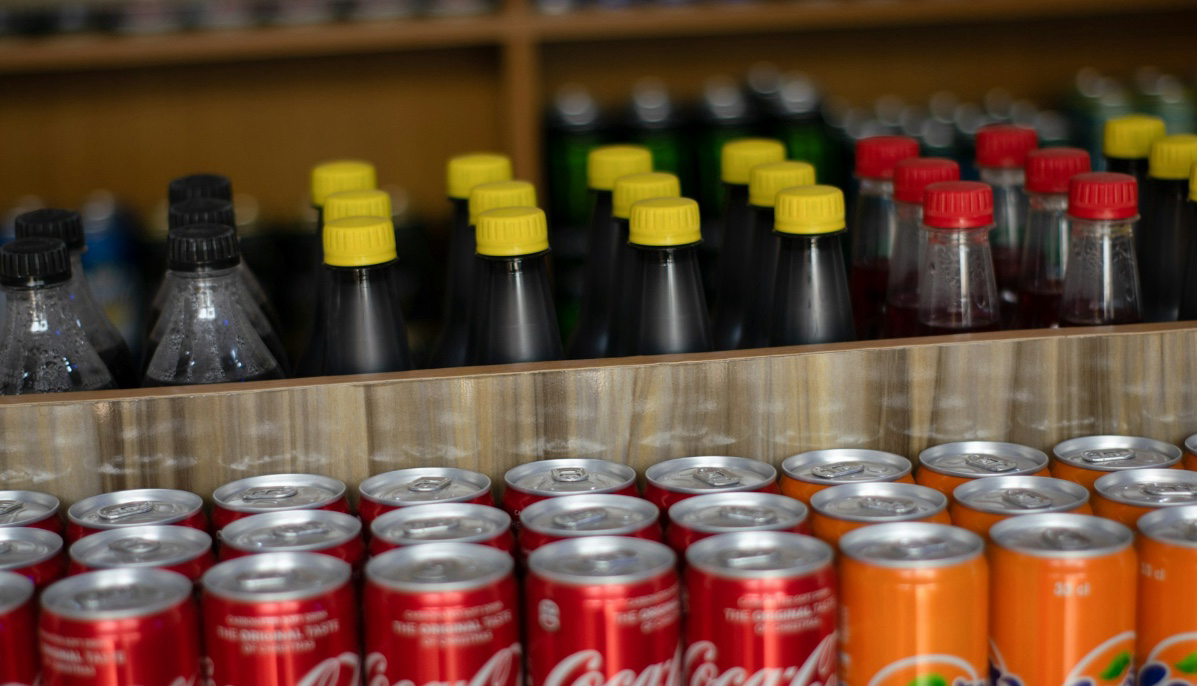
Nigeria sugar tax increase

Source: Emmanuel Edward\Unsplash

The Senate has approved a new tax structure on sugar-sweetened beverages in Nigeria, replacing the flat N10 per litre charge with a percentage-based levy linked to retail prices. 

The decision is expected to push up the price of soft drinks and similar products.

Lawmakers took the decision during plenary while considering the report on the Customs, Excise Tariff, etc. (Amendment) Bill.

The new system hands the Minister of Finance responsibility for setting the exact rate, in line with fiscal guidelines.

Under the old arrangement, manufacturers and importers paid N10 per litre on carbonated drinks, energy drinks, and other sweetened beverages.

Subscribe to our Telegram channel for the latest updates.

Follow the latest developments with instant alerts on breaking news, top stories, and trending headlines.

Join Channel

Authorities introduced the tax in 2022 to discourage high sugar intake and raise funds for health programmes.

Over time, inflation weakened that structure. A bottle of soft drink that sold for about N150 when the tax began now sells between N350 and N500. The fixed levy lost much of its effect on both price control and consumption patterns.

The Senate argues that the new percentage-based model will restore relevance to the tax. It also aims to improve revenue generation while linking collections more closely to current market prices.

Between 2022 and 2025, the N10-per-litre charge generated about N108.6 billion for the government. Lawmakers say the figure no longer matches the scale of public health needs.

A portion of the new revenue will support a dedicated health fund. The fund will support primary healthcare, disease prevention, and health insurance coverage for vulnerable groups across the country.

Public health formed a large part of the issue. Diabetes affects about 8% of Nigerians, or roughly 18 million people. Hypertension is more widespread, affecting an estimated 40% of adults.

Costs of treatment keep increasing and on average, households spend about N608,940 annually per patient managing non-communicable diseases. National spending on these conditions stands at about N1.92 trillion each year.

Most healthcare expenses still fall directly on families. Many households pay out of pocket when a serious illness occurs, which increases financial pressure.

Nigeria also ranks high in global soft drink consumption. Citizens consume about 38.6 million litres daily, placing the country as the fourth-largest consumer worldwide.

Sugar demand stands at about 1.8 million metric tonnes each year. More than 90% of this demand comes from imports. Local refining is dominated by known operators such as Dangote Sugar Refinery and Golden Penny.

Health experts have long linked high sugar intake to rising cases of obesity, diabetes, hypertension, and cardiovascular disease. They argue that sugary drinks contribute significantly to these trends.

Stakeholders in the industry are divided on the policy. The Centre for the Promotion of Private Enterprise has warned against higher taxes on sweetened beverages. It argues that consumers already face strong economic pressure.

Health specialists, however, are aiming for stronger taxation. Some studies recommend rates of up to 20% of retail price, or as high as N130 per litre, to reduce consumption meaningfully.

Global health bodies, including the World Health Organisation, have also supported sugar taxes as a tool to curb lifestyle-related diseases.

On the implications for consumers, prices of popular soft drinks, energy drinks, and similar products are likely to increase once the new rate takes effect. Demand may also shift if prices surge.

Manufacturers may feel pressure as well, with higher costs affecting sales volumes, but it may also push companies to expand low-sugar product lines.

For the health sector, the policy could provide additional funding over time. This may ease dependence on out-of-pocket spending, though outcomes will depend on implementation.

Equity concerns are part of the discussion. Lower-income households in Nigeria may feel the sugar tax impact of higher prices more steeply, especially in a market where sugary drinks are widely consumed.


0Shares
Previous Post

Dollar to Naira Exchange Rate Today, June 4, 2026

Next Post

Sahara Group Commits $50,000 to Asharami M.A.D Equation

Joan Aimuengheuwa

Joan Aimuengheuwa

Joan thrives at helping individuals and businesses scale via storytelling...

Related Posts

air cargo market in Nigeria | African airlines cargo |FAAN and MMIA Deal

African Airlines Record 7.7% YoY Rise in Cargo Transport April 2026

May 28, 2026
MTN FibreX Home Broadband

MTN FibreX: The Home Broadband Nigerian Homes Have Been Waiting for?

May 28, 2026

Nigeria’s GDP Grows 3.89% in Q1 as Agriculture, Telecoms Lift Non-Oil Sector

May 25, 2026
Load More
Next Post
Asharami M.A.D Equation | Ejiro Gray

Sahara Group Commits $50,000 to Asharami M.A.D Equation

Leave a Reply Cancel reply

Your email address will not be published. Required fields are marked *

I agree to the Terms & Conditions and Privacy Policy.

This site uses Akismet to reduce spam. Learn how your comment data is processed.

Techeconomy Podcast
Techeconomy Podcast

The Techeconomy Podcast is a thought-leadership show exploring the powerful intersection of technology, business, and the economy, with a strong focus on Africa’s fast-evolving digital landscape.

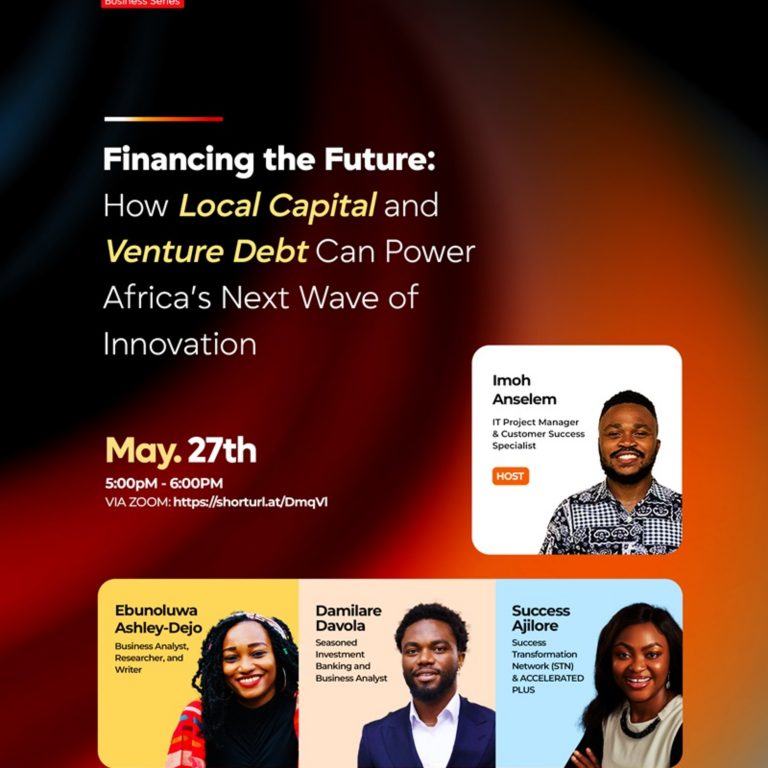
Financing the Future: Venture Debt, Local Capital & African Innovation | TBS May 2026 Webinar
byTecheconomy

Africa’s innovation ecosystem is evolving, but where will the funding for the next generation of startups come from?

In this edition of the Techeconomy Business Series (TBS) May 2026, industry experts explore how local capital, venture debt, and smarter investment structures are redefining startup growth and innovation across Africa.

🎙️ Featured Speakers:

* Ebunoluwa Ashley-Dejo

* Damilare Davola

* Success Ajilore (STN & Accelerated Plus)

Key conversations in this webinar include:

✔️ The future of startup financing in Africa

✔️ Venture debt and alternative funding models

✔️ The role of local investors in scaling innovation

✔️ Sustainable investment strategies for African startups

✔️ Opportunities and challenges in the African tech ecosystem

Subscribe for more conversations shaping Africa’s digital economy and innovation landscape.

#TBS2026 #AfricanInnovation #VentureDebt #StartupFinance #TechInAfrica #Techeconomy #AfricanStartups #InnovationEconomy

Financing the Future: Venture Debt, Local Capital & African Innovation | TBS May 2026 Webinar
May 27, 2026
Techeconomy
PROTECTING INNOVATION IN AFRICA’S STARTUP ECOSYSTEM
April 29, 2026
Techeconomy
BUILDING TRUST IN AFRICA ECOSYSTEM
February 27, 2026
Techeconomy
Navigating a Career in Tech Sales
January 29, 2026
Techeconomy
How Technology is Transforming Education, Health, and Business
November 27, 2025
Techeconomy
Search Results placeholder
MTN Live It 100 Thematic Campaign
ADVERTISEMENT
  • About Us
  • Careers
  • Contact Us
  • Privacy Policy

© 2026 TECHECONOMY.

No Result
View All Result
  • Technology
  • Business
  • Economy
  • Features
  • Editorial
  • Brand Content
  • TECHECONOMY TV

© 2026 TECHECONOMY.

This website uses cookies. By continuing to use this website you are giving consent to cookies being used. Visit our Privacy and Cookie Policy.