

With about 40 million small businesses contributing nearly half of Nigeria’s GDP and employing close to 90% of the workforce, stakeholders say the next phase of growth for many of them will depend on how well they adapt to digital commerce.
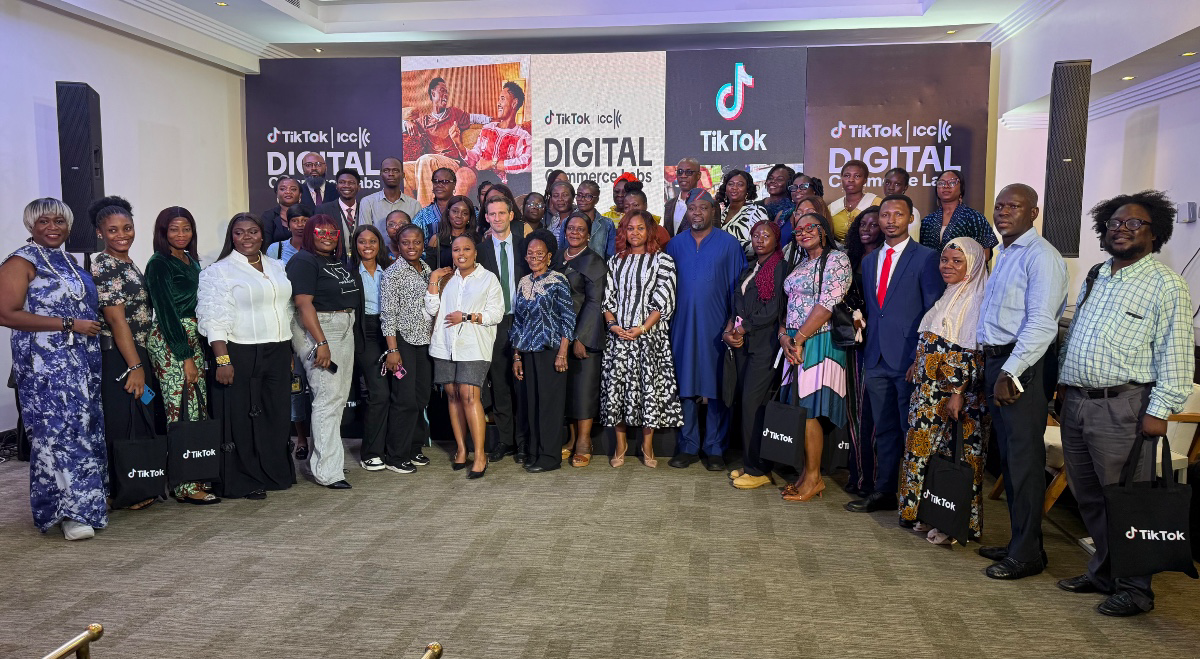
This was reiterated on Thursday as TikTok and the International Chamber of Commerce (ICC) officially launched the Digital Commerce Labs in Lagos, a free training programme aimed at helping micro, small and medium-sized enterprises (MSMEs) build stronger digital businesses, attract more customers and expand beyond their local markets.
The initiative, unveiled at Four Points by Sheraton, brings together TikTok’s digital commerce expertise and ICC’s global business network to provide entrepreneurs with training, mentorship and access to tools designed to help businesses compete in the online economy.
Representing the Director-General of the National Information Technology Development Agency (NITDA), Kashifu Inuwa, Dr Aristotle Onumo described the programme as a commendable initiative which will expand economic opportunities for Nigerian entrepreneurs.
“Today, through this partnership, we are helping thousands of Nigerian entrepreneurs create their future, one skill, one business, and one opportunity at a time.
“We are not merely training SMEs with this program, we are building confidence, we are creating opportunities, we are expanding markets, and ultimately, we are transforming lives,” he said.
He noted that many Nigerian entrepreneurs already have the talent and ambition needed to succeed but lack access to digital skills and platforms that can connect them to global markets.
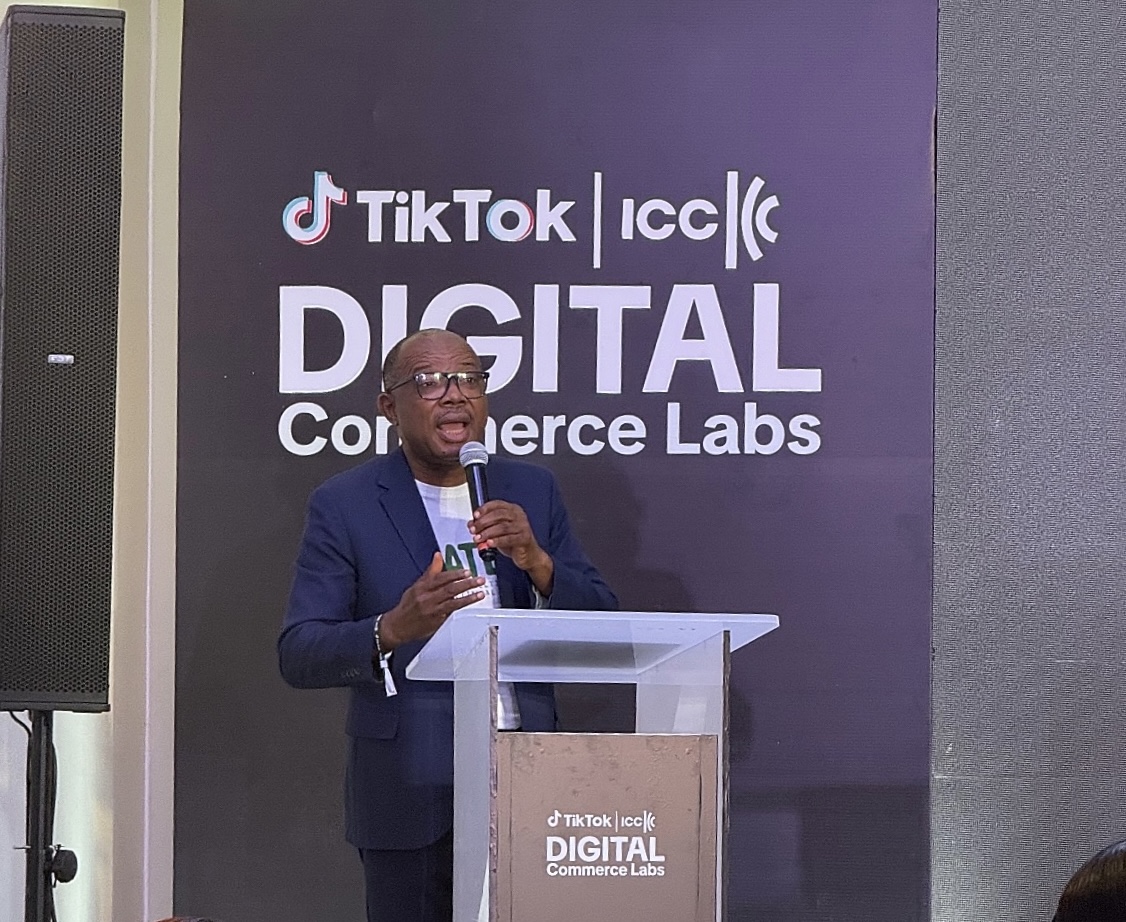
According to him, digital commerce has moved beyond being an option and is now essential for business growth and competitiveness.
“Digital commerce is no longer an option, it has become a necessity for business growth and competitiveness,” he said.
Onumo also disclosed that TikTok has committed about $20,000 to support the pilot phase of the programme, which will leverage NITDA’s digital literacy for all networks to reach entrepreneurs, including those in underserved and remote communities.
He said the partnership aligns with NITDA’s target of achieving 70% digital literacy across Nigeria by 2027 and ensuring that more Nigerians can participate in the digital economy.
Speaking at the launch, Tokunbo Ibrahim, acting head of Government Relations and Public Policy for sub-Saharan Africa at TikTok, said the Digital Commerce Labs was created to help businesses convert digital access into economic opportunity.
“The Digital Commerce Labs is a global initiative developed by TikTok and the International Chamber of Commerce to help SMEs like you build practical digital commerce capabilities, strengthen your competitiveness, and unlock new pathways for growth through a combination of community engagement, online learning, and expert-led training,” she said.
She added that many entrepreneurs still find it difficult to get market access, visibility and scaling their businesses despite advances in technology.

“Ultimately, this program is not just about technology, it’s about economic empowerment, it’s about helping businesses grow, creating jobs, and ensuring that talented entrepreneurs, whether in Lagos, Kano, Aba, Port Harcourt, or anywhere else in Nigeria, have the tools and knowledge to reach customers across the country and across the world,” Ibrahim stated.
Also speaking, Charly Gordon, ICC Centre of Entrepreneurship Global Partnerships and Development Lead, said the programme was designed to bridge a growing digital skills gap among small businesses.
He noted that while digital access has improved significantly in Nigeria, many businesses still struggle to make full use of available online tools.
“There are about 40 million small businesses in Nigeria, they contribute close to 50% of GDP, and crucially, they employ close to 90% of the Nigerian workforce,” Gordon said.
He added that more than 45% of Nigerians are now online, creating a vast customer base that businesses can tap into if they have the right digital skills.
Explaining the objective of the initiative, Gordon said: “The goal of the launch is to raise awareness of Digital Commerce Labs within the small business community, ultimately making sure that as many small businesses can actually access the training material that the Digital Commerce Labs provides, so that they can enhance their ability to leverage digital commerce to grow their business.”
He revealed that several hundred businesses have already registered, while the initial target is to train at least 1,000 SMEs, with ambitions to reach far more entrepreneurs across the country.
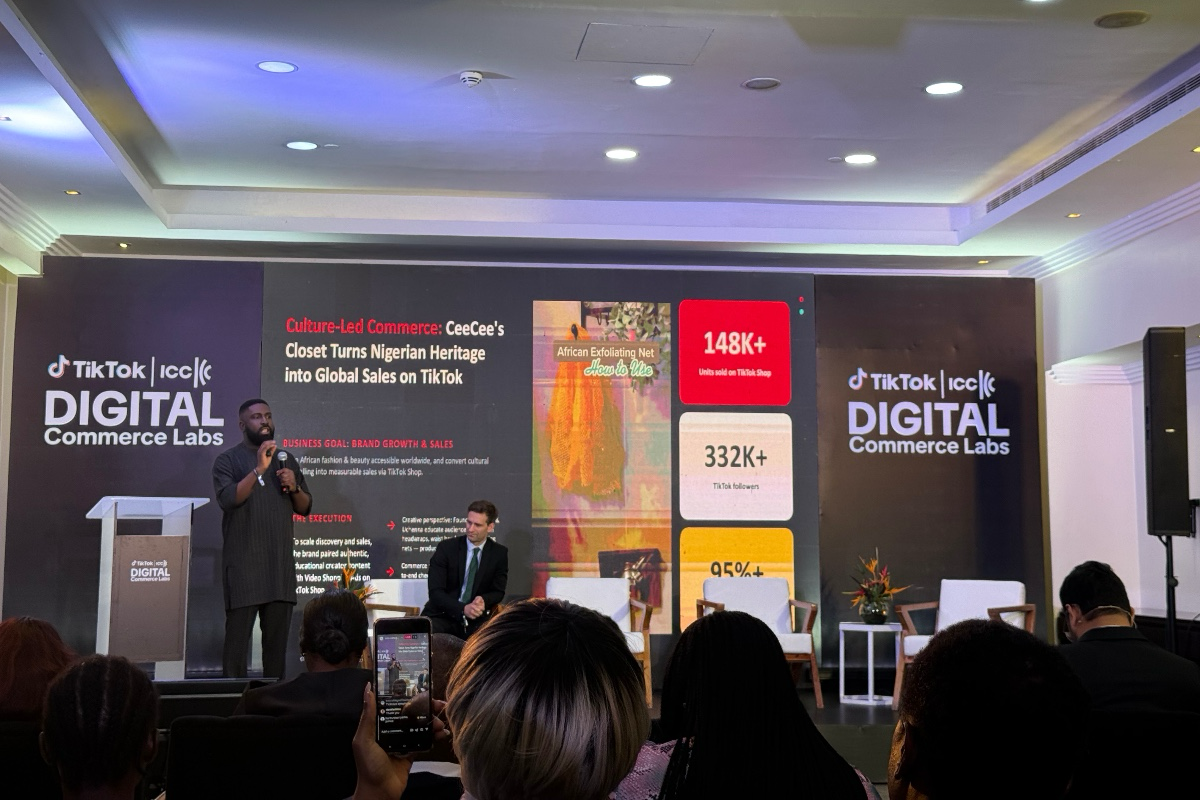
The programme will combine online learning modules with trainer-led workshops and is expected to begin in July. Participants will receive guidance on digital foundations, content creation, digital marketing, customer engagement, data analytics and scaling businesses for local and international markets.
For Lagos State, the initiative aligns with current initiatives to strengthen entrepreneurship and job creation.
Executive Secretary of the Lagos State Employment Trust Fund (LSETF), Feyisayo Alayande, said the state is fully committed to supporting businesses through financing, mentorship, market access and technology-driven programmes.
She disclosed that since its establishment in 2016, LSETF has supported the creation of more than 300,000 jobs across Lagos through direct and indirect interventions.
“Any opportunity that supports small businesses, any platform, any solution that allows small businesses to grow and scale, I’m most passionate about,” Alayande said.
She encouraged entrepreneurs to take advantage of the new programme and explore digital channels for growth.
“When people think of market, they’re thinking physical markets, but 2026 is beyond physical. Why wouldn’t you consider going online?” she said.
A major attraction of the Digital Commerce Labs is the promise of practical support beyond training.
During a panel discussion, it was disclosed that participants who complete key stages of the programme will have access to experts, peer networks and advertising credits that can be used to promote their businesses.
The long-term goal is not just to improve digital skills but to help Nigerian businesses expand, create jobs and compete globally.
Reflecting on what success would look like, Gordon said he hopes to see Nigerian entrepreneurs serving customers far beyond their immediate communities.
“We want that at scale, because we, at the end of the day, want to be able to change how business is conducted to make it more digital, and to ensure that all small businesses in Nigeria have the ability to fully unlock the potential of digital products,” he said.