


ADVERTISEMENT
Monday, May 11, 2026
Tech | Business | Economy
No Result
View All Result
  • Technology
    • Trends
    • Telecoms
      • Broadband
    • ConsumerTech
      • Gadgets and Appliances
      • Apps
      • Accessories
      • Reviews
      • Unboxing
    • EnterpriseTECH
    • Security & Data Protection
    • How To
  • Business
    • Company News
    • StartUPs
      • Founder’s Story
      • Funding
    • Deals
    • People & Moves
    • SME & Entrepreneur Focus
    • BUSINESS SENSE FOR SMEs
    • Competition & Market Positioning
    • Commerce & Mobility
    • Travel
    • WomenPreneurs
  • Economy
    • Macroeconomic Trends
      • Macro Monday
      • TE Insights
    • Finance
      • Banks
      • Fintech
      • Insurance
      • Digital Assets
      • Personal Finance
    • Policies
      • Tech & Society
    • Market Analysis
    • Jobs & Workforce Economy
  • Features
    • Guest Writer
      • Chidiverse
      • Digital Assets
      • GameTech
    • EventDIARY
    • IndustryINFLUENCERS
    • MarkTECH
    • TBS
    • NewsEXTRA
  • Editorial
  • Brand Content
  • TECHECONOMY TV
Monday, May 11, 2026
Tech | Business | Economy
No Result
View All Result
Tech | Business | Economy
No Result
View All Result

Home » Banking Sector Tops with 3,173 Complaints as FCCPC Reclaims ₦10 Billion for Consumers

Banking Sector Tops with 3,173 Complaints as FCCPC Reclaims ₦10 Billion for Consumers

FCCPC recovered over ₦10 billion in consumer funds, resolving 9,091 complaints lodged through its platforms.

Latifat Fashina by Latifat Fashina
September 12, 2025
in Finance
Reading Time: 2 mins read
0
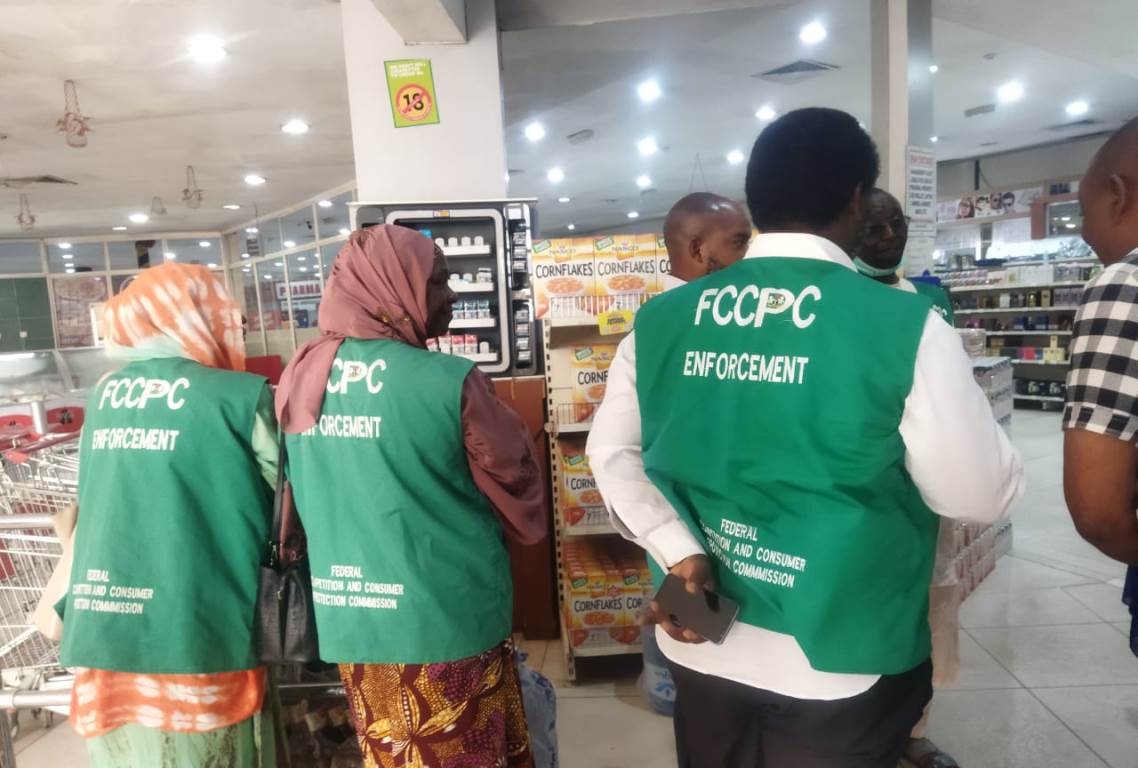
FCCPC enforcement agents

FCCPC enforcement agents

In a six-month period from March to August 2025, Nigeria’s Federal Competition and Consumer Protection Commission (FCCPC) successfully recovered over ₦10 billion in consumer funds, resolving 9,091 complaints lodged through its platforms.

The data, spanning 30 sectors of the economy, reveals where Nigerians are most frequently dissatisfied:

  • Banking led with 3,173 complaints
  • Fast-Moving Consumer Goods (FMCG) came second with 1,543
  • Fintech followed closely at 1,442
  • Other notable sectors were electricity (458), e-commerce (412), telecommunications (409), retail/wholesale (329), aviation (243), information technology (131), and road transport & logistics (114)

Complaints ranged from unauthorised deductions, unfair charges, service failures, deceptive marketing, tangible product defects, to poor disclosure of contract terms and delayed redress. Mr. Tunji Bello, Executive Vice Chairman/CEO of the FCCPC, reflected on the figures:

“These numbers are not just statistics; they tell the story of consumer frustration, and the daily challenges Nigerians face in essential services. However, the FCCPC is determined to hold businesses accountable, ensure compliance with the FCCPA, and promote fair market practices that protect the welfare of all consumers.”

The banking and fintech sectors, in particular, stood out for higher financial exposure, pointing both to critical dependence on digital and financial services and to the need for more rigorous oversight and consumer protections in these areas.

Subscribe to our Telegram channel for the latest updates.

Follow the latest developments with instant alerts on breaking news, top stories, and trending headlines.

Join Channel

Meanwhile, sectors like electricity continue to show widespread issues with billing accuracy and service delivery; e-commerce complaints, though often of lower monetary value per case, are high in volume, highlighting growing consumer risk with online purchases.

The FCCPC says it will intensify its enforcement efforts, boosting oversight in sectors prone to recurring consumer harm, especially in financial services and utilities.

Collaboration with other regulatory bodies and greater transparency are core to its strategy moving forward.

0Shares
Previous Post

FG Mandates Tax ID & NIN for Financial Transactions from January 2026

Next Post

Burkina Faso Declares Visa-free Access to African Nationals

Latifat Fashina

Latifat Fashina

LATIFAT FASHINA is the Business/Finance Reporter at Techeconomy. She can be reached via: latifat.fashina@techeconomy.ng

Related Posts

Airtel Money growth in Africa

Airtel Money Crosses 54 Million Users as Digital Payments Surge across Africa

May 9, 2026
Sunil Taldar - Airtel Africa and World Teachers' Day | Sustainability Report 2025 | AI Powered Spam Alert | FY'26

Airtel Africa Revenue Rises 29.5% to $6.4bn FY’26 as Nigeria, Data Demand Drive Growth

May 8, 2026

EIRS Receives EFCC Backing to Tackle Tax Fraud in Edo State

May 8, 2026
Load More
Next Post
Ibrahim Traoré, interim president of Burkina Faso

Burkina Faso Declares Visa-free Access to African Nationals

Leave a Reply Cancel reply

Your email address will not be published. Required fields are marked *

I agree to the Terms & Conditions and Privacy Policy.

This site uses Akismet to reduce spam. Learn how your comment data is processed.

Techeconomy Podcast
Techeconomy Podcast

The Techeconomy Podcast is a thought-leadership show exploring the powerful intersection of technology, business, and the economy, with a strong focus on Africa’s fast-evolving digital landscape.

PROTECTING INNOVATION IN AFRICA’S STARTUP ECOSYSTEM
byTecheconomy

Protecting Innovation in Africa’s Startup Ecosystem . A timely conversation for the future of African entrepreneurship.

PROTECTING INNOVATION IN AFRICA’S STARTUP ECOSYSTEM
April 29, 2026
Techeconomy
BUILDING TRUST IN AFRICA ECOSYSTEM
February 27, 2026
Techeconomy
Navigating a Career in Tech Sales
January 29, 2026
Techeconomy
How Technology is Transforming Education, Health, and Business
November 27, 2025
Techeconomy
INNOVATION IN MOBILE BANKING
October 30, 2025
Techeconomy
Search Results placeholder
ADVERTISEMENT
  • About Us
  • Careers
  • Contact Us
  • Privacy Policy

© 2026 TECHECONOMY.

No Result
View All Result
  • Technology
  • Business
  • Economy
  • Features
  • Editorial
  • Brand Content
  • TECHECONOMY TV

© 2026 TECHECONOMY.

This website uses cookies. By continuing to use this website you are giving consent to cookies being used. Visit our Privacy and Cookie Policy.


