

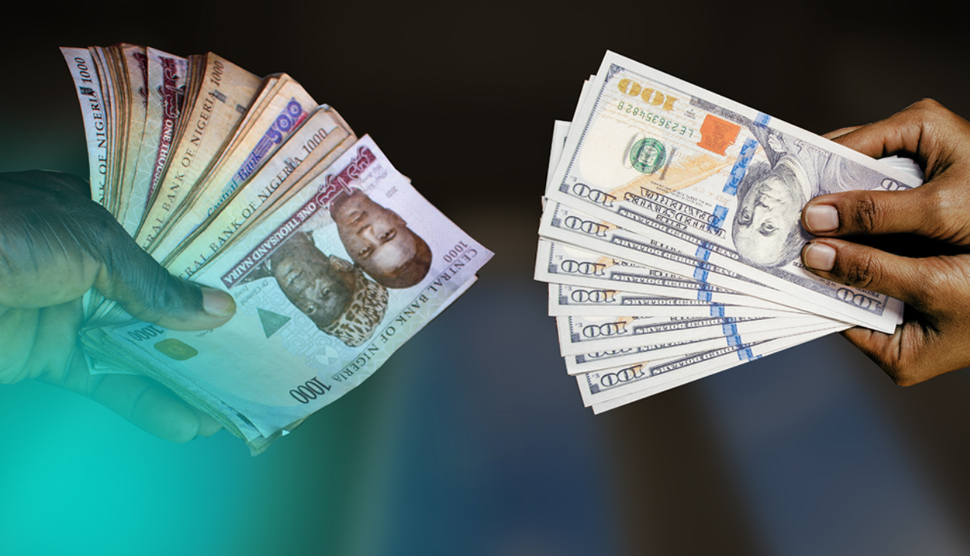
The Nigerian naira continued its downward trend against the United States dollar on Monday, weakening further at the official foreign exchange market amid sustained pressure on forex demand.
Latest data from the Central Bank of Nigeria showed that the naira depreciated to about ₦1,373.70/$ compared to ₦1,371.04/$ recorded in the previous trading session.
The development reflects ongoing volatility within Nigeria’s foreign exchange market despite recent monetary reforms and efforts by the Central Bank of Nigeria to stabilise the currency.
Market data indicated that the Nigerian Foreign Exchange Market (NFEM) recorded intraday trading movements between approximately ₦1,370/$ and ₦1,374/$ during Monday’s trading session.
At the parallel market, also known as the black market, the dollar traded around ₦1,395 buying rate and ₦1,405 selling rate in major trading hubs including Lagos and Abuja.
Financial analysts attribute the continued pressure on the naira to sustained demand for foreign exchange, import-related pressures, global economic uncertainties, and tight dollar liquidity conditions.
The depreciation comes despite broader reforms introduced by the CBN under the leadership of Olayemi Cardoso aimed at improving transparency, liquidity, and investor confidence within the FX market.
Economic experts say maintaining exchange rate stability remains critical for controlling inflation, reducing import costs, and improving business confidence in Africa’s largest economy.
The latest movement in the currency market also comes amid renewed global concerns over rising oil prices, elevated U.S. bond yields, and tightening global financial conditions, factors that continue to pressure emerging market currencies.
Despite the recent volatility, analysts note that Nigeria’s external reserves have shown signs of improvement in recent weeks, which may provide some support for FX market interventions and broader macroeconomic stability efforts.
Currency traders and investors are expected to continue monitoring CBN policy direction, foreign portfolio inflows, crude oil earnings, and external reserve performance, as key indicators influencing the naira’s trajectory in the coming months.