


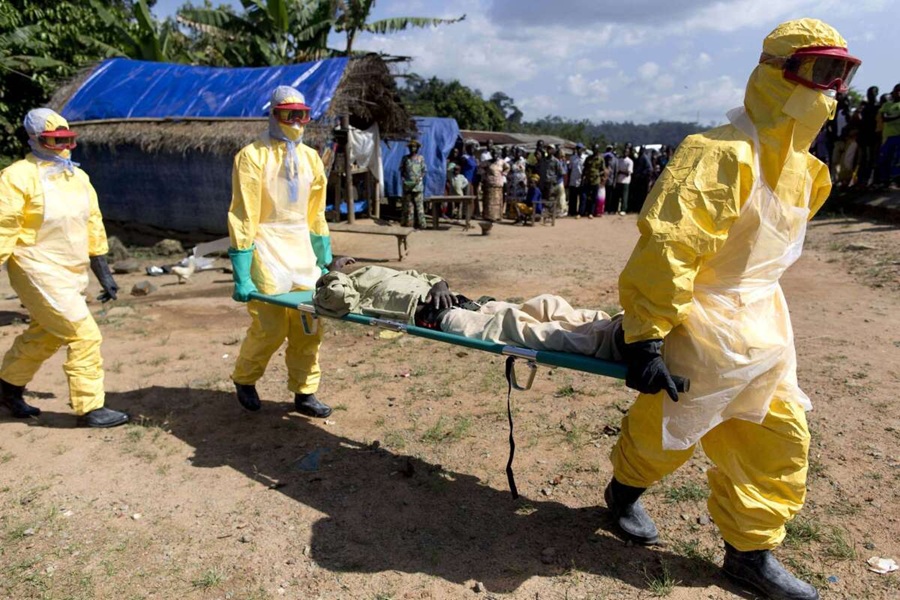
In May 2026, health authorities confirmed a new outbreak of Ebola Virus Disease (EVD) in the Democratic Republic of Congo (DRC), with cases now spilling across borders into Uganda and triggering global health alerts.
The situation has rapidly escalated from a localized health emergency into an international public health concern, raising fears of another major regional epidemic.
The Numbers So Far
According to the latest updates from the World Health Organization and the Centers for Disease Control and Prevention:
- Nearly 600 suspected cases have been reported in the DRC
- Between 131 and 160 suspected deaths have already been recorded
- More than 50 laboratory-confirmed infections have been identified
- Uganda has confirmed imported cases linked to cross-border movement from eastern Congo
- The outbreak is centered in Ituri Province, but cases have now appeared in North Kivu, South Kivu, Goma, and even Kampala in Uganda
On May 17, 2026, the WHO officially declared the outbreak a Public Health Emergency of International Concern (PHEIC), the highest alarm level under international health regulations.
A Dangerous Strain With No Approved Vaccine
Unlike previous Ebola outbreaks dominated by the Zaire strain, for which vaccines now exist, the current outbreak is being driven by the Bundibugyo virus strain (BDBV).
That changes everything.
Health authorities say there is currently no approved vaccine or specific antiviral treatment for the Bundibugyo strain, making containment significantly harder.
The Bundibugyo strain is relatively rare but highly lethal. It was first identified in Uganda in 2007 and has caused only a handful of outbreaks globally. Scientists say limited historical data and insufficient research funding have left the world less prepared for this variant compared to the Zaire strain.
Why This Outbreak is Different
Several factors are making the 2026 outbreak especially concerning:
1. Conflict Zones and Weak Health Systems
The epicenter of the outbreak lies in eastern Congo, a region plagued by armed conflict, displacement, illegal mining, and fragile healthcare infrastructure.
Aid agencies say insecurity is slowing surveillance, testing, contact tracing, and treatment efforts. Some Ebola treatment facilities have reportedly been attacked by angry residents amid mistrust and misinformation.
2. Cross-Border Movement
Eastern Congo shares busy trade and migration routes with Uganda, Rwanda, South Sudan, and Burundi.
Health officials fear frequent cross-border movement could accelerate regional spread. Uganda has already suspended some transport connections with the DRC and tightened border screening.
3. Urban Transmission Risk
The confirmation of cases in densely populated cities like Goma and Kampala has intensified concerns.
Urban Ebola outbreaks are particularly dangerous because they allow faster transmission through crowded transport systems, hospitals, and informal settlements.
Funding Cuts Hampering Response
Global health experts warn that the outbreak response is being weakened by declining international health funding.
Reports indicate major reductions in aid support to Congo and neighboring countries have disrupted disease surveillance systems, emergency preparedness, and staffing for outbreak response programs.
The WHO has released emergency funds, while the CDC and Africa CDC have activated response measures. However, health experts say resources remain far below what is needed to contain a fast-moving hemorrhagic fever outbreak across multiple countries.
Technology and Data Are Becoming Critical
One major difference between this outbreak and the devastating West African Ebola epidemic of 2014–2016 is the role of digital technology.
Health agencies are increasingly deploying:
- AI-powered outbreak modeling
- Mobile disease surveillance systems
- Digital contact tracing
- GIS mapping and geospatial analytics
- Real-time laboratory reporting platforms
These technologies are helping authorities identify hotspots faster, monitor movement patterns, and coordinate responses across borders.
However, connectivity gaps, weak digital infrastructure, and limited interoperability between African health systems remain major challenges.
Why Africa, and the World Should Pay Attention
Ebola outbreaks are no longer isolated African health stories. They are global biosecurity concerns.
The 2014 West African Ebola epidemic infected more than 28,000 people and killed over 11,000, causing massive economic disruption across multiple countries.
Today’s outbreak emerges at a time when global public health systems are already strained by post-pandemic recovery, geopolitical instability, and shrinking donor funding.
Experts say the next few weeks will be decisive.
If containment efforts succeed, the outbreak could remain regional. If not, Africa, and potentially the wider world, could face another prolonged Ebola emergency



