ADVERTISEMENT
Friday, June 12, 2026
Tech | Business | Economy
No Result
View All Result
  • Technology
    • Trends
    • Telecoms
      • Broadband
    • ConsumerTech
      • Gadgets and Appliances
      • Apps
      • Accessories
      • Reviews
      • Unboxing
    • EnterpriseTECH
    • Security & Data Protection
    • How To
  • Business
    • Company News
    • StartUPs
      • Founder’s Story
      • Funding
    • Deals
    • People & Moves
    • SME & Entrepreneur Focus
    • BUSINESS SENSE FOR SMEs
    • Competition & Market Positioning
    • Commerce & Mobility
    • Travel
    • WomenPreneurs
  • Economy
    • Macroeconomic Trends
      • Macro Monday
      • TE Insights
    • Finance
      • Banks
      • Fintech
      • Insurance
      • Digital Assets
      • Personal Finance
    • Policies
      • Tech & Society
    • Market Analysis
    • Jobs & Workforce Economy
  • Features
    • Guest Writer
      • Chidiverse
      • Digital Assets
      • GameTech
    • EventDIARY
    • IndustryINFLUENCERS
    • MarkTECH
    • TBS
    • NewsEXTRA
  • Editorial
  • Brand Content
  • TECHECONOMY TV
Friday, June 12, 2026
Tech | Business | Economy
No Result
View All Result
Tech | Business | Economy
No Result
View All Result

Empowering Local Governments to Improve Access to Clean Water, Sanitation, Hygiene 

Techeconomy by Techeconomy
April 26, 2023
in Guest Writer
Reading Time: 4 mins read
0
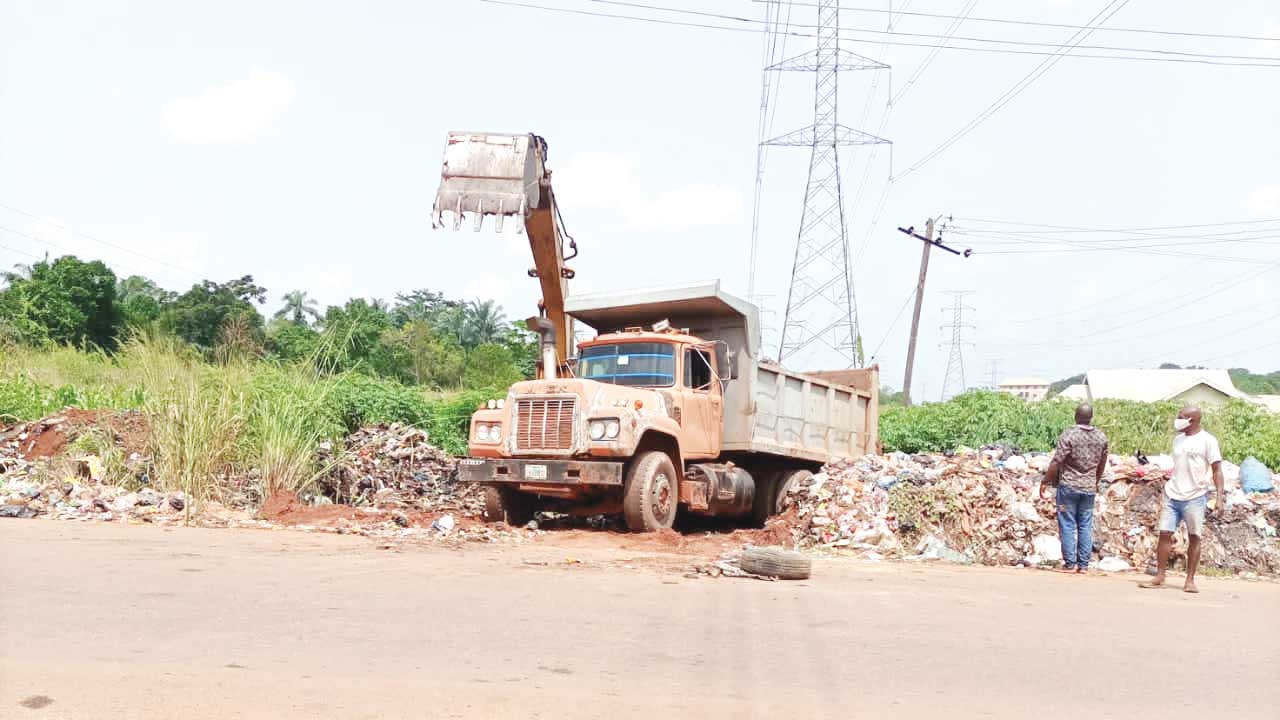
Enugu refuse dumpsite, Sanitation and Water

Evacuation of refuse by officials in Enugu

Article Written by: Elvis Eromosele 

Access to clean water, sanitation, and hygiene is essential for human health and well-being. The Sustainable Development Goal (SDG) 6 is about “clean water and sanitation for all”.

However, in many developing countries, these necessities remain out of reach for a significant portion of the population, particularly those living in suburban and rural areas.

The popular thinking is that local governments can play a critical role in scaling up interventions to improve access to water, sanitation, and hygiene. 

Take Nigeria. It is easily the most populous country in Africa with a rapidly growing population that is expected to reach 400 million by 2050. Despite its vast natural resources, including water, Nigeria faces significant challenges in providing access to clean water, sanitation, and hygiene.

Subscribe to our Telegram channel for the latest updates.

Follow the latest developments with instant alerts on breaking news, top stories, and trending headlines.

Join Channel

According to the World Health Organisation (WHO), only 29 per cent of Nigerians have access to basic sanitation facilities, and only 63 per cent have access to basic water services.

The local government is Nigeria’s third tier of government. It consists of 774 units located across the thirty-six states of the federation. Local governments are typically responsible for a range of vital services for people and businesses in defined areas.

Water, Sanitation in Lagos
Citizens, mostly children using a make-shift bridge to cross swampy area

Empowering the local government is key to addressing these and other basic everyday challenges. Across the world, local governments are responsible for providing basic services, including water and sanitation, to their communities.

They are, however, often hampered by a lack of resources, capacity, and technical expertise to effectively implement interventions to improve access to these services.

To overcome these challenges, several strategies can be implemented to empower the local government:

Capacity building: One of the most critical strategies for empowering the local government is to build its capacity to implement water, sanitation, and hygiene interventions effectively.

This can be achieved through training programs, workshops, and other capacity-building initiatives that provide local government officials with the knowledge and skills they need to plan, implement, and monitor these interventions.

Partnerships: Partnerships with NGOs, private sector organisations, and other stakeholders can provide local governments with the resources and technical expertise they need to implement water, sanitation, and hygiene interventions. These partnerships can also help to mobilize resources and raise awareness about the importance of improving access to these services.

Decentralization: Decentralization of water and sanitation services to the local government can enhance the accountability and responsiveness of local governments to their communities. Decentralization can also provide local governments with greater control over the allocation of resources, enabling them to prioritize interventions that are most needed in their communities.

Use of technology: The use of technology can help to improve the efficiency and effectiveness of water, sanitation, and hygiene interventions. For example, mobile technology can be used to collect data on water sources and sanitation facilities, monitor water quality, and track the implementation of interventions.

Community participation: Community participation is critical to the success of water, sanitation, and hygiene interventions. Local governments can empower communities by involving them in the planning and implementation of interventions, as well as in monitoring and evaluation.

This is the core of the matter, transforming the operations of local governments in Nigeria will require a significant investment of resources.
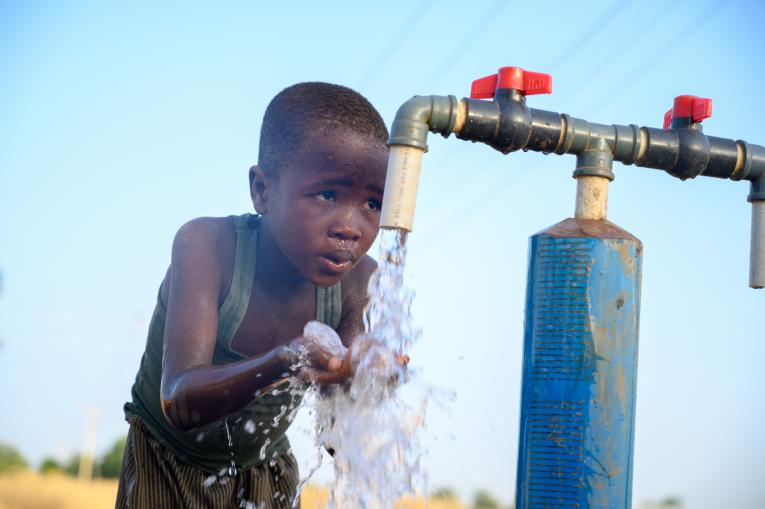
Public Water by UNICEF UN0396479
Water is life when it is clean

The exact amount required will depend on several factors, including the size and population of each local government, the specific interventions needed, and the level of capacity and resources currently available to local governments.

Experts foresee that it would require consistent investment over the next 10 years, at the minimum, to make any dent 

To start, we must have full autonomy for local governments in the country. Local government autonomy refers to the degree to which local governments have the power to make decisions and manage their affairs independently of the state or federal government.

In Nigeria, local governments have limited autonomy, which has led to a range of issues and challenges. The biggest problem here is that of access to funds. 

Empowering the local government is key to truly transforming the nation. As local governments are able to scale up water access, sanitation, and hygiene interventions, they will contribute directly to improving the quality of life of citizens. By building the capacity of local governments, fostering partnerships, decentralizing services, utilizing technology, and promoting community participation, we can improve access to these necessities and promote health and well-being for all. Local government autonomy is the ideal starting point. 

Elvis Eromosele, a Corporate Communication professional and public affairs analyst lives in Lagos.

0Shares
Previous Post

Transmission Company Issues Warning to Operators over Non-compliance

Next Post

Bridging the Gaps to Safeguard the Future of Hybrid Work 

Techeconomy

Techeconomy

Related Posts

AI maturity mirage with Ayobami Aderemi

The AI Maturity Mirage: Are Design Teams Actually AI-Enabled, or Just AI-Adjacent?

June 9, 2026
dark data and AI Adoption | Shakeel Jhazbhay

Shedding Light on Dark Data; A Critical Step before AI Can Deliver Value

June 3, 2026

What Nigeria’s Floundering Anti-Terror Campaign Can Learn from Ukraine’s Robot War

June 2, 2026
Load More
Next Post
Top Cybercrime Trends Organisations Should Take Note of in 2023 by Emmanuel Asika

Bridging the Gaps to Safeguard the Future of Hybrid Work 

Leave a Reply Cancel reply

Your email address will not be published. Required fields are marked *

I agree to the Terms & Conditions and Privacy Policy.

This site uses Akismet to reduce spam. Learn how your comment data is processed.

Techeconomy Podcast
Techeconomy Podcast

The Techeconomy Podcast is a thought-leadership show exploring the powerful intersection of technology, business, and the economy, with a strong focus on Africa’s fast-evolving digital landscape.

Financing the Future: Venture Debt, Local Capital & African Innovation | TBS May 2026 Webinar
byTecheconomy

Africa’s innovation ecosystem is evolving, but where will the funding for the next generation of startups come from?

In this edition of the Techeconomy Business Series (TBS) May 2026, industry experts explore how local capital, venture debt, and smarter investment structures are redefining startup growth and innovation across Africa.

🎙️ Featured Speakers:

* Ebunoluwa Ashley-Dejo

* Damilare Davola

* Success Ajilore (STN & Accelerated Plus)

Key conversations in this webinar include:

✔️ The future of startup financing in Africa

✔️ Venture debt and alternative funding models

✔️ The role of local investors in scaling innovation

✔️ Sustainable investment strategies for African startups

✔️ Opportunities and challenges in the African tech ecosystem

Subscribe for more conversations shaping Africa’s digital economy and innovation landscape.

#TBS2026 #AfricanInnovation #VentureDebt #StartupFinance #TechInAfrica #Techeconomy #AfricanStartups #InnovationEconomy

Financing the Future: Venture Debt, Local Capital & African Innovation | TBS May 2026 Webinar
May 27, 2026
Techeconomy
PROTECTING INNOVATION IN AFRICA’S STARTUP ECOSYSTEM
April 29, 2026
Techeconomy
BUILDING TRUST IN AFRICA ECOSYSTEM
February 27, 2026
Techeconomy
Navigating a Career in Tech Sales
January 29, 2026
Techeconomy
How Technology is Transforming Education, Health, and Business
November 27, 2025
Techeconomy
Search Results placeholder
MTN Live It 100 Thematic Campaign
ADVERTISEMENT
  • About Us
  • Careers
  • Contact Us
  • Privacy Policy

© 2026 TECHECONOMY.

No Result
View All Result
  • Technology
  • Business
  • Economy
  • Features
  • Editorial
  • Brand Content
  • TECHECONOMY TV

© 2026 TECHECONOMY.

This website uses cookies. By continuing to use this website you are giving consent to cookies being used. Visit our Privacy and Cookie Policy.