ADVERTISEMENT
Saturday, May 2, 2026
Tech | Business | Economy
No Result
View All Result
  • Technology
    • Trends
    • Telecoms
      • Broadband
    • ConsumerTech
      • Gadgets and Appliances
      • Apps
      • Accessories
      • Reviews
      • Unboxing
    • EnterpriseTECH
    • Security & Data Protection
    • How To
    • GameTech
  • Business
    • Company News
    • StartUPs
      • Founder’s Story
      • Funding
    • Deals
    • People & Moves
    • SME & Entrepreneur Focus
    • BUSINESS SENSE FOR SMEs
    • Competition & Market Positioning
    • Commerce & Mobility
    • Travel
    • WomenPreneurs
  • Economy
    • Macroeconomic Trends
      • Macro Monday
      • TE Insights
    • Finance
      • Banks
      • Fintech
      • Insurance
      • Digital Assets
      • Personal Finance
    • Policies
      • Tech & Society
    • Market Analysis
    • Jobs & Workforce Economy
  • Features
    • Guest Writer
      • Chidiverse
      • Digital Assets
    • EventDIARY
    • IndustryINFLUENCERS
    • MarkTECH
    • TBS
    • NewsEXTRA
  • Editorial
  • Brand Content
  • TECHECONOMY TV
Saturday, May 2, 2026
Tech | Business | Economy
No Result
View All Result
Tech | Business | Economy
No Result
View All Result

Home » IMF Outlines Essential Steps for Enhancing Financial Inclusion in Nigeria

IMF Outlines Essential Steps for Enhancing Financial Inclusion in Nigeria

Justice Godfrey Okamgba by Justice Godfrey Okamgba
June 14, 2023
in Finance
Reading Time: 3 mins read
0
Financial Inclusion

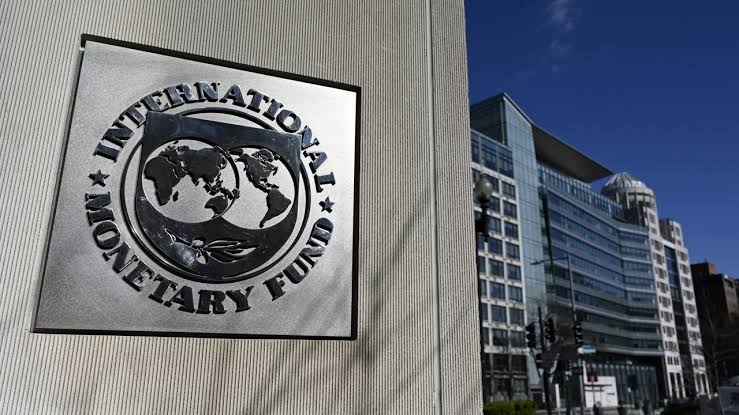
The International Monetary Fund (IMF) has outlined five priority policy options for promoting financial inclusion in Nigeria, the largest economy in Africa.

These options include increasing financial access points, promoting digital financial services, improving financial literacy, upgrading the framework for fintech operations, and enhancing the features and uses of Central Bank Digital Currency (CBDC).

In a recent report, the IMF noted that while financial inclusion rates have improved gradually in Nigeria, they still fall short of the targets set in the country’s 2012 financial inclusion strategy.

While the share of the adult population with a bank account has increased and now accounts for more than two-thirds of financially-included individuals, this increase has largely been driven by the integration of individuals who previously used non-bank and informal financial services.

Financial inclusion refers to the accessibility of useful and affordable financial products and services, such as transactions, payments, savings, credit, and insurance, in a responsible and sustainable manner.

It is considered a key enabler to reduce extreme poverty and promote shared prosperity, and it aligns with seven of the 17 Sustainable Development Goals for 2030.

Subscribe to our Telegram channel for the latest updates.

Follow the latest developments with instant alerts on breaking news, top stories, and trending headlines.

Join Channel

According to Enhancing Financial Innovation & Access, Nigeria’s financial inclusion rate reached 64.1% in 2020, up from 63.2% in 2018.

However, this figure falls below the Central Bank of Nigeria’s target of 80% for 2020. The central bank has increased the target to 95% by 2024.

The authors of the IMF report highlighted that while progress has been made in onboarding residents into the banking sector, the overall exclusion rate and the usage of specific financial products still exceed official targets by a significant margin.

The reasons for these inclusion gaps, including gender, education, income, and geography, are attributed to long distances to financial access points, limited financial literacy, and low adoption of mobile money and payments.

The IMF report suggests that policies should continue to focus on improving networks and financial access points, while also prioritizing identification onboarding and reevaluating the approach to financial education.

Regarding the adoption of Central Bank Digital Currency (CBDC), the IMF revealed that despite the Central Bank of Nigeria’s efforts to promote awareness, adoption remains low.

Wallet downloads have slowed, with only 0.8% of bank accounts utilizing wallets, and merchant wallet downloads are limited to around 10% of merchants with point-of-sale terminals.

Wallet activity is also low, with most wallets appearing inactive. The average number of weekly eNaira transactions since the launch represents only 8% of wallets, with an average transaction value of N53,000 (about $120).

Several Sub-Saharan African central banks, including South Africa, Ghana, Uganda, Kenya, Rwanda, Mauritius, Madagascar, Zimbabwe, Eswatini, Namibia, and Zambia, have been exploring the use of digital currencies to enhance their payment systems following Nigeria’s introduction of the e-Naira in October 2021.

Central banks worldwide are considering the issuance of their own CBDCs and are eager to understand the associated risks and opportunities. Queen Máxima of the Netherlands, the United Nations Secretary-General’s Special Advocate for Inclusive Finance for Development, emphasized the potential for CBDCs to expand access to the underbanked and serve vulnerable and impoverished populations.

However, she also highlighted the need for caution in addressing the new challenges and risks that CBDCs may present

0Shares

Previous Post

Orange, Digital Africa Partner to Stimulate Enhanced Growth in African Startup Ecosystem 

Next Post

IXPN Reiterates Benefits of Collaboration, Peering and Local Hosting of Content

Justice Godfrey Okamgba

Justice Godfrey Okamgba

Related Posts

Stablecoin Infrastructure

8 Use Cases of Stablecoin Infrastructure in Africa

April 30, 2026
PAFON 3.0: Chika Nwosu PalmPay’s MD Champions Embedded Finance as Key to Africa’s Digital Economy

PAFON 3.0: Chika Nwosu PalmPay’s MD Champions Embedded Finance as Key to Africa’s Digital Economy

April 30, 2026

Prioritise Trust over Speed as Cyber Threats Rise, Obadare Urges Fintech Players at PAFON 3.0

April 29, 2026
Load More
Next Post
IXPs - Data Centres - Africa Data Centres

IXPN Reiterates Benefits of Collaboration, Peering and Local Hosting of Content

Leave a Reply Cancel reply

Your email address will not be published. Required fields are marked *

I agree to the Terms & Conditions and Privacy Policy.

This site uses Akismet to reduce spam. Learn how your comment data is processed.

Techeconomy Podcast
Techeconomy Podcast

The Techeconomy Podcast is a thought-leadership show exploring the powerful intersection of technology, business, and the economy, with a strong focus on Africa’s fast-evolving digital landscape.

PROTECTING INNOVATION IN AFRICA’S STARTUP ECOSYSTEM
byTecheconomy

Protecting Innovation in Africa’s Startup Ecosystem . A timely conversation for the future of African entrepreneurship.

PROTECTING INNOVATION IN AFRICA’S STARTUP ECOSYSTEM
April 29, 2026
Techeconomy
BUILDING TRUST IN AFRICA ECOSYSTEM
February 27, 2026
Techeconomy
Navigating a Career in Tech Sales
January 29, 2026
Techeconomy
How Technology is Transforming Education, Health, and Business
November 27, 2025
Techeconomy
INNOVATION IN MOBILE BANKING
October 30, 2025
Techeconomy
Search Results placeholder
  • About Us
  • Careers
  • Contact Us
  • Privacy Policy

© 2026 TECHECONOMY.

No Result
View All Result
  • Technology
  • Business
  • Economy
  • Features
  • Editorial
  • Brand Content
  • TECHECONOMY TV

© 2026 TECHECONOMY.

This website uses cookies. By continuing to use this website you are giving consent to cookies being used. Visit our Privacy and Cookie Policy.