The Nigerian banking system, once celebrated as the backbone of the nation’s economy, is facing a glaring paradox.
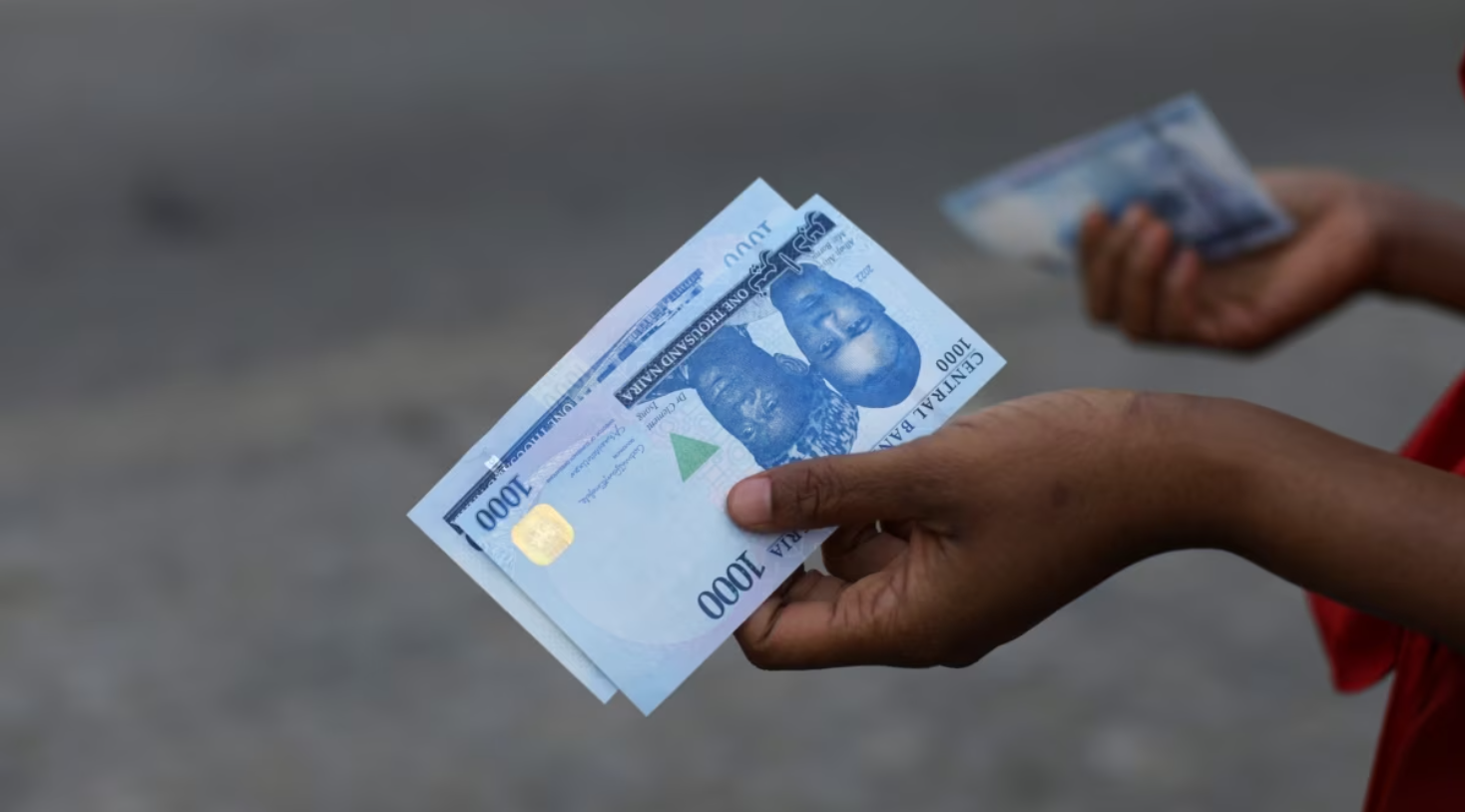
Customers walk into bank branches daily to access their funds, only to be told that cash is scarce. The situation, which began following the Naira redesign exercise under former President Muhammadu Buhari, has become a troubling norm.
Bank tellers now ration cash withdrawals, often imposing arbitrary limits like N20,000 per person, without detailed explanations.
This raises an unsettling question: is there a hidden liquidity crisis in the Nigerian banking system?
The central function of a bank is to provide customers with seamless access to their deposits, yet this appears to be failing.
The scarcity of cash at bank branches stands in sharp contrast to the availability of cash through Point of Sale (POS) operators, who always seem to have more than enough to meet demand. This discrepancy is baffling and has fueled widespread speculation about the health of the banking system.
When customers encounter these restrictions, the frustration is palpable. Imagine the indignity of being denied access to your funds, with no clear justification. Attempts to probe deeper are met with shrugs or vague statements about system limitations.
This state of affairs is unacceptable in a modern economy. A teller in a bank branch told me last week, “People don’t deposit cash like they used to.”
The Central Bank of Nigeria (CBN) introduced the Naira redesign exercise with lofty objectives: reducing inflation, tackling corruption, and promoting a cashless economy. However, its implementation was riddled with missteps, creating chaos across the financial landscape. Banks struggled to replace old notes with redesigned ones, leading to widespread shortages that have yet to abate 24 months later.
One of the most curious aspects of the crisis is the role of POS operators. While banks ration cash, these operators maintain steady supplies, albeit at exorbitant rates. Are they benefiting from a parallel system of cash distribution?
Or are they simply more agile at navigating the inefficiencies in the formal banking system? Either way, their dominance underscores the inability of banks to fulfil their basic responsibilities.
Many have written extensively about this problem, but the Central Bank of Nigeria appears powerless to resolve it.
As the regulator, the CBN’s primary responsibility is to ensure the stability and liquidity of the financial system. Yet, the persistent cash shortages suggest either an unwillingness or inability to act decisively.
If the issue is systemic—a result of poor monetary policy, weak oversight, or strained interbank liquidity—then the CBN’s inaction becomes even more concerning. A regulator that cannot enforce its mandate risks eroding public trust, not just in the banking sector but in the economy as a whole.
Yes, Nigerians should be deeply concerned. A liquidity crisis, if left unchecked, could spiral into a full-blown financial crisis. When people lose confidence in banks’ ability to provide cash, they may resort to hoarding or bypassing the formal banking system altogether.
This would undermine financial inclusion, destabilize the economy, and make it harder for businesses to thrive. These are already all manifesting.
The current state of affairs also raises broader questions about accountability. Who will hold banks responsible for their failure to serve customers? And who will ensure that the CBN fulfils its duty to oversee and stabilize the financial system?
Several critical steps must be taken immediately to address this crisis. First, banks must ensure cash is available for customers who need it. Where there is a shortage, they must equally prioritize transparency by providing clear explanations and implementing consistent policies to reassure their customers. Without this openness, trust in the system will continue to erode.
The Central Bank of Nigeria (CBN) also needs to enhance its regulatory oversight to ensure that banks maintain adequate liquidity to meet withdrawal demands.
This would require stricter monitoring and enforcement to prevent the recurrence of such issues.
Furthermore, POS operators’ activities warrant closer scrutiny. Their ability to consistently access cash while banks struggle raises questions that demand a thorough investigation.
Understanding their role in the cash distribution ecosystem is essential to resolving the crisis.
Equally important is public communication. The CBN must take proactive steps to engage with the public, offering clear updates on the measures implemented to resolve the crisis. Effective communication will be key to rebuilding public trust and confidence in the system.
Finally, the banking sector requires long-term reforms to address systemic inefficiencies. These reforms should aim to modernize operations, enhance overall efficiency, and prevent similar challenges in the future.
Only through these measures can the ongoing crisis be resolved and the Nigerian banking system restored to stability. The National Assembly must step up to the plate here.
The persistent cash shortages in Nigerian banks may point to deeper structural issues that require urgent attention.
I don’t know, whether it is a hidden liquidity crisis or a symptom of broader inefficiencies, but the situation is untenable. Nigerians should not have to wonder whether their money is safe or accessible.
*Elvis Eromosele, a corporate communication professional writes via: elviseroms@gmail.com